
Best Time to Visit Shanghai: A Month-by-Month Guide with Holidays, Events, and Real Travel Insights 2026
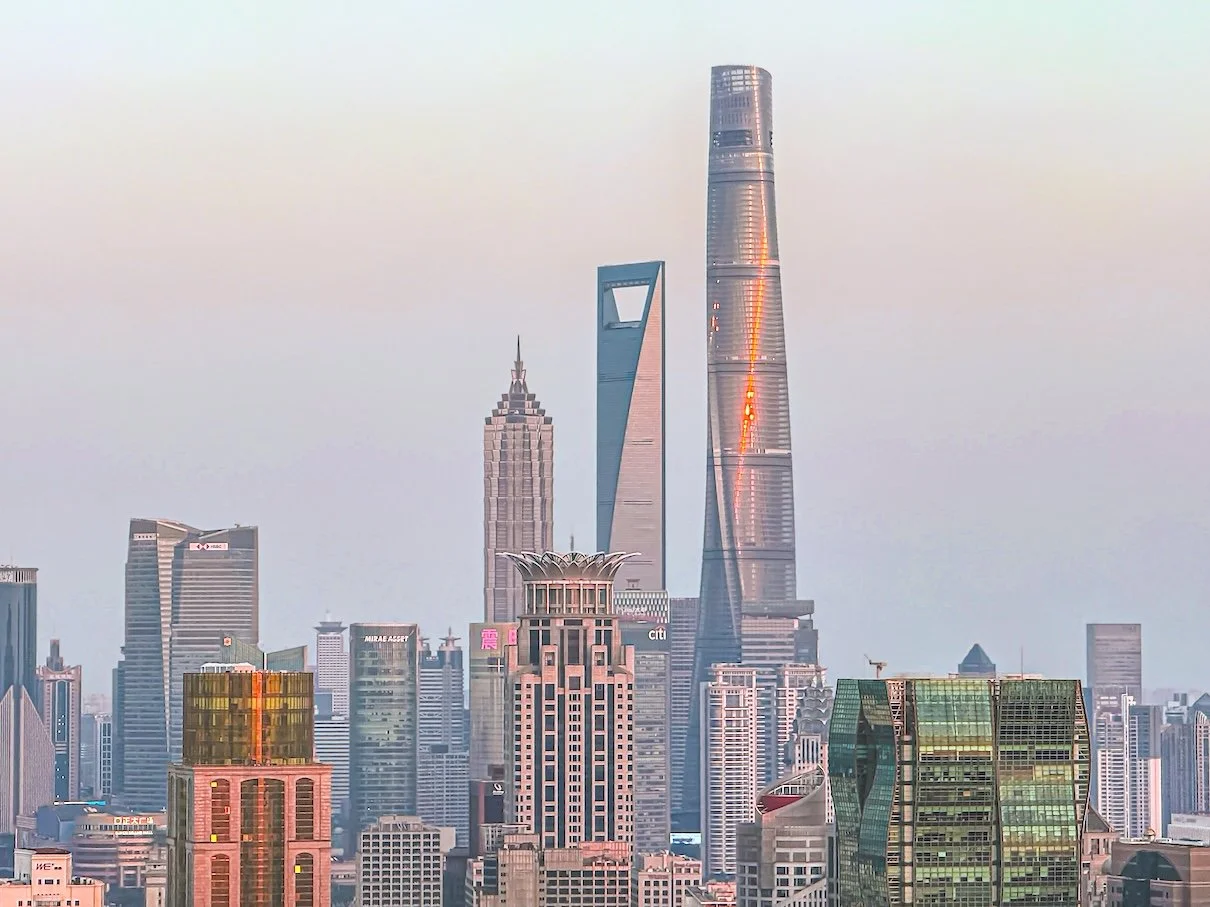
When people search for the best time to visit Shanghai, the answer is usually “spring and autumn.”
That’s broadly true — but it misses what actually shapes your experience in the city.
Shanghai changes throughout the year not just because of weather, but because of:
National holidays and travel patterns
Make-up working days (a uniquely Chinese system)
Major international events
Shifts between local, domestic, and international visitors
The information below is the conclusion of my 3 years of analysing working days to understand the business's seasonality.
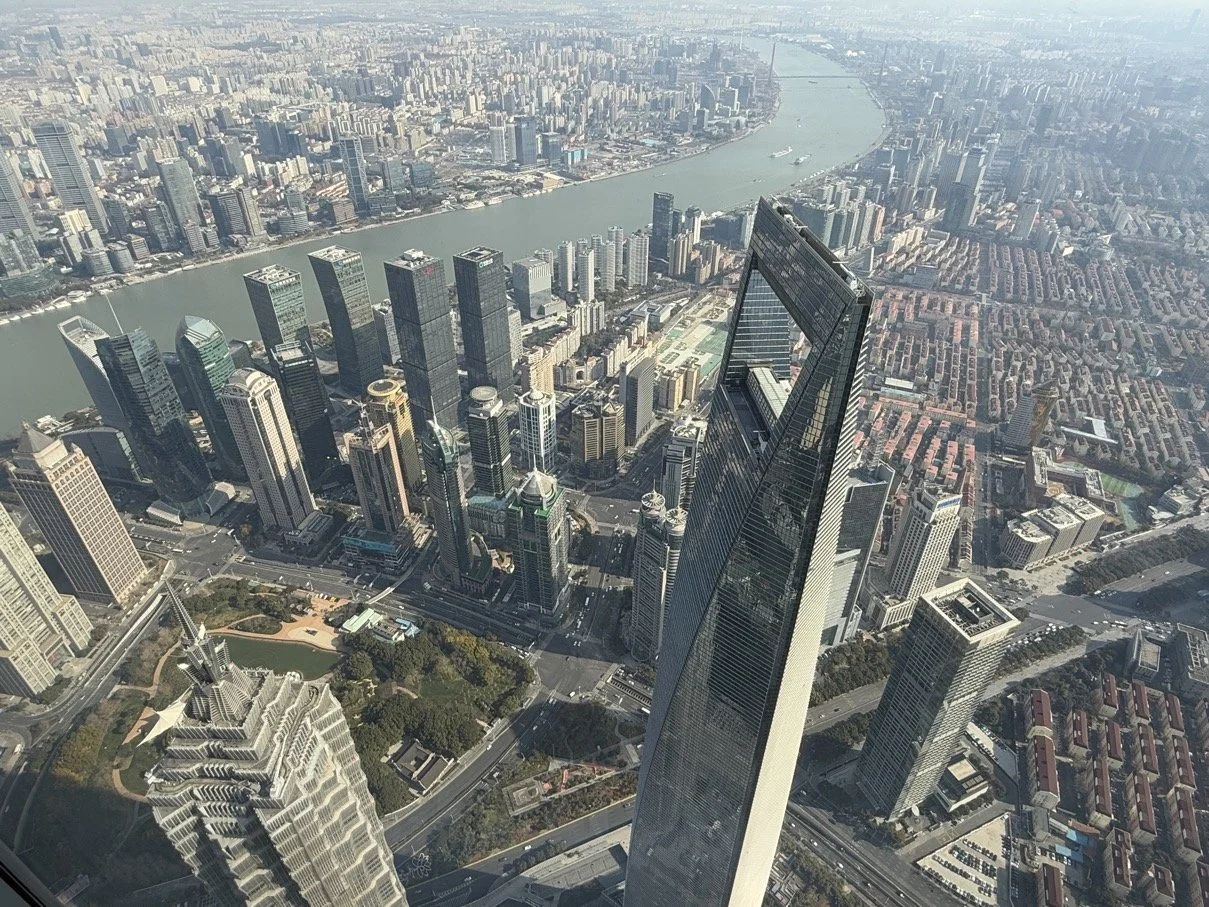
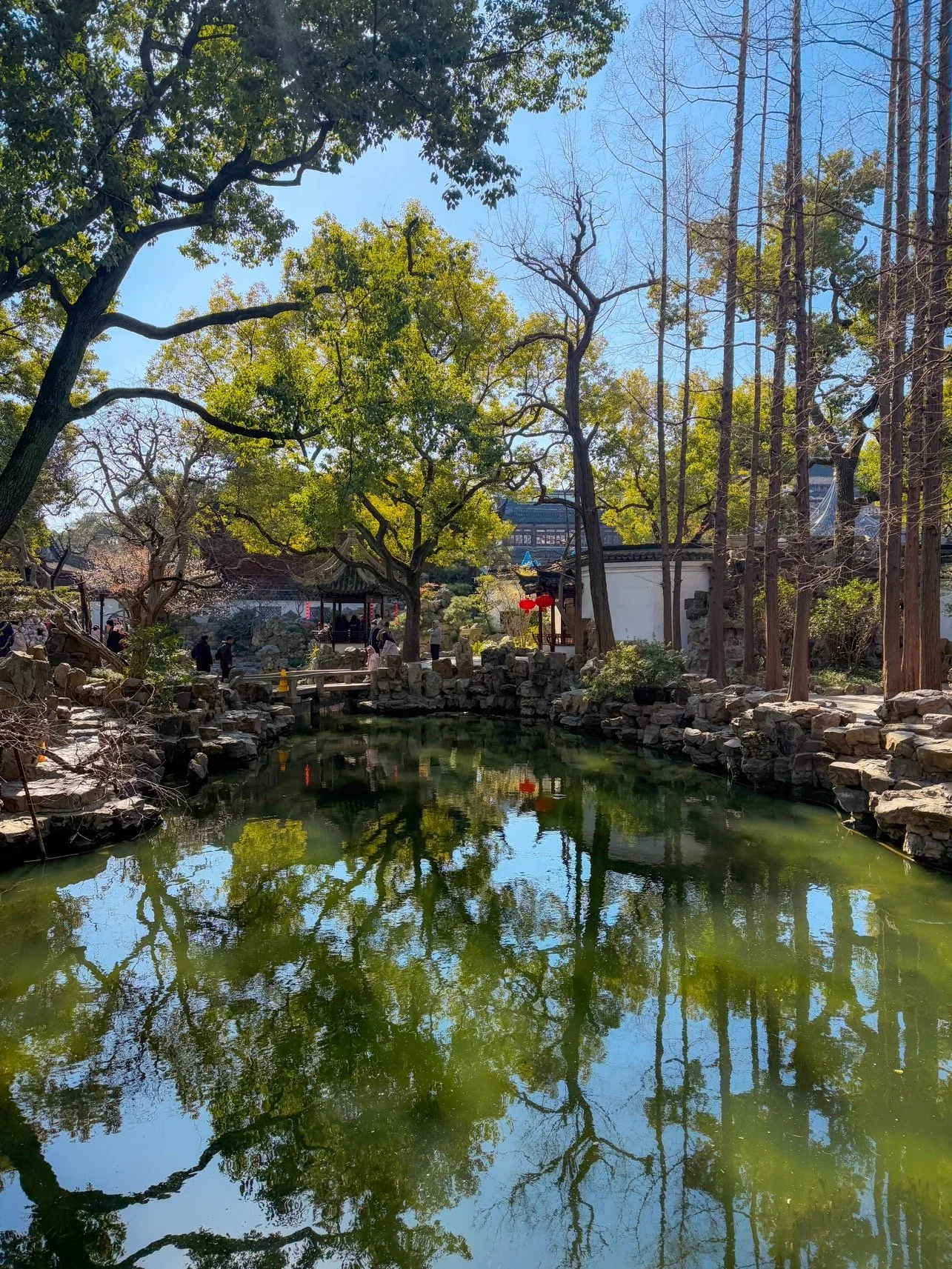
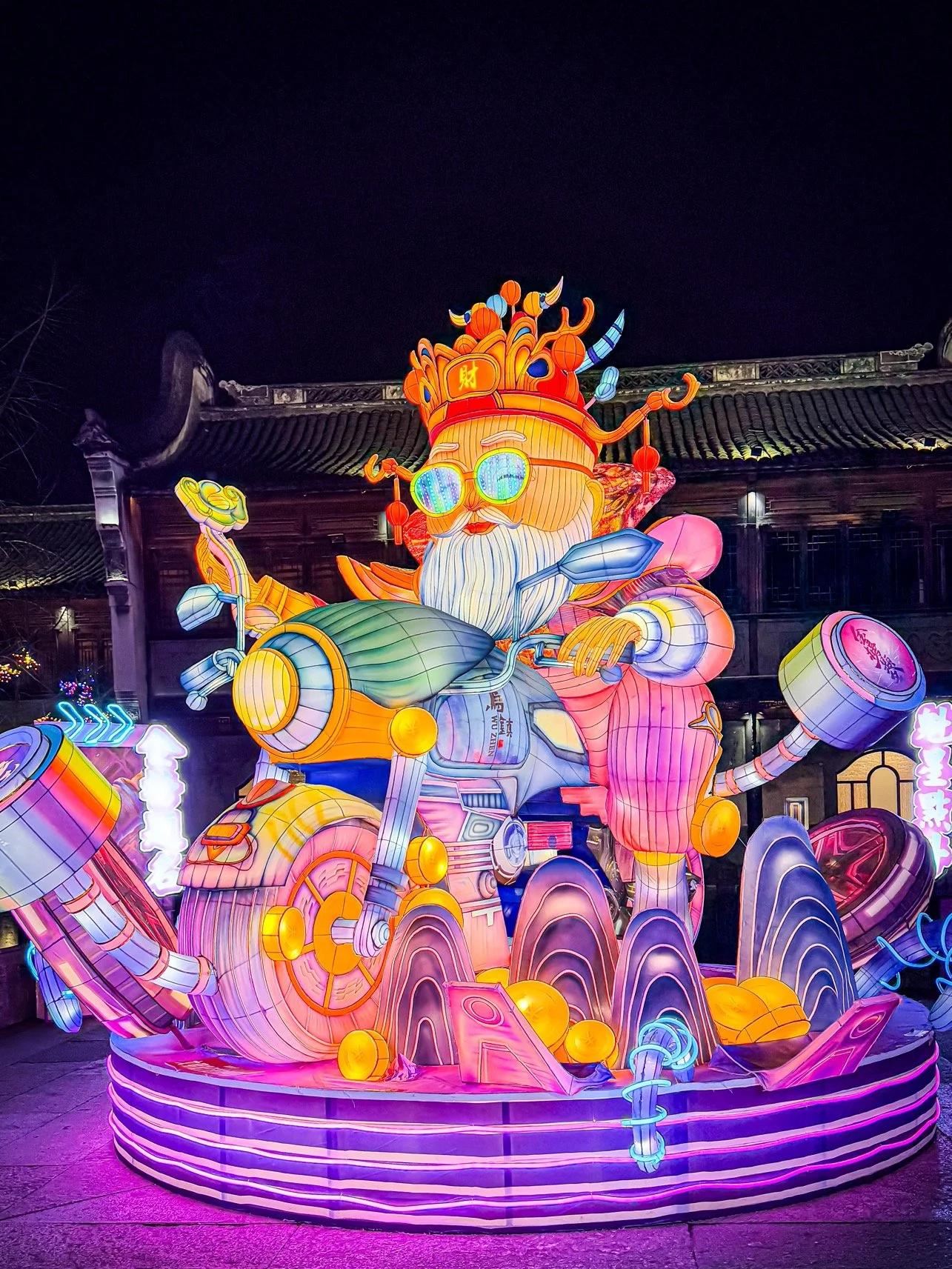
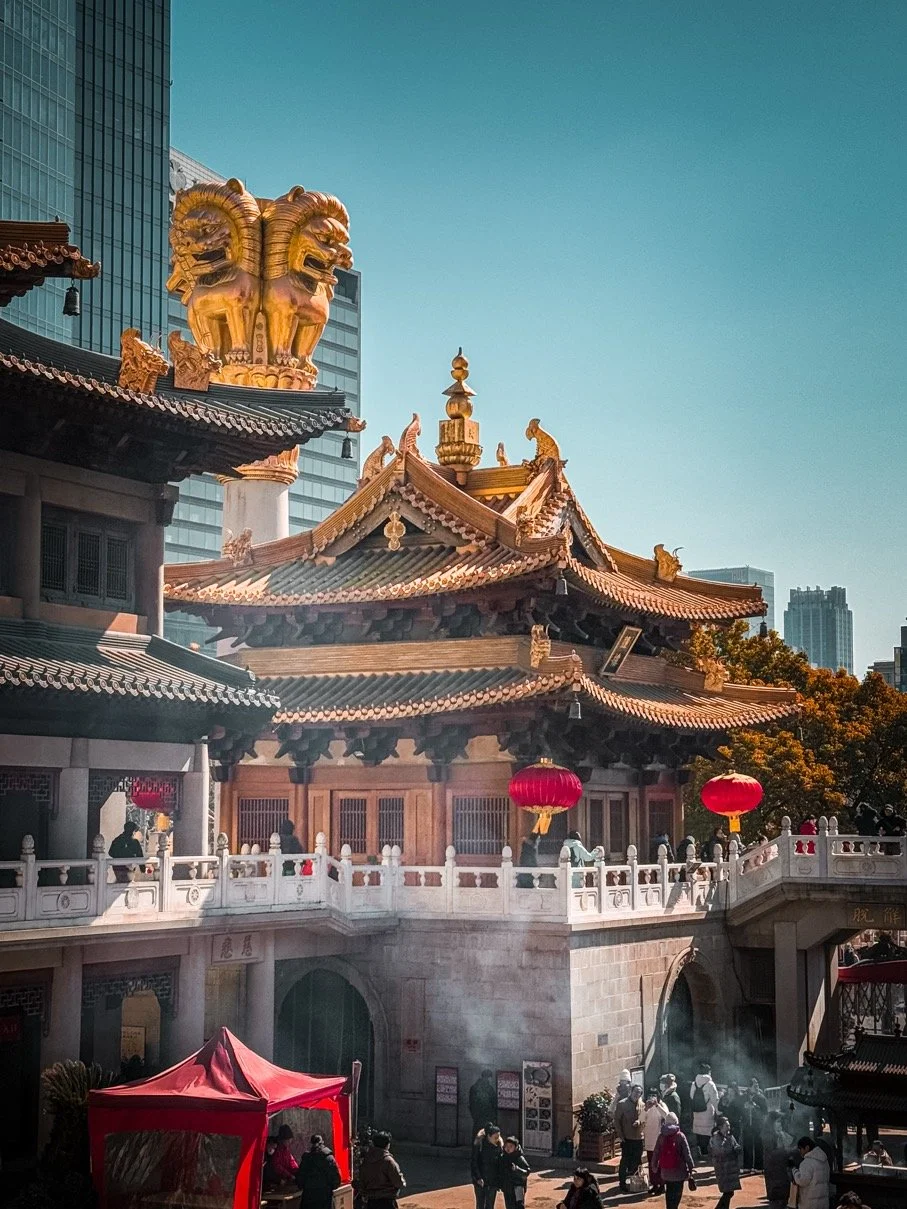
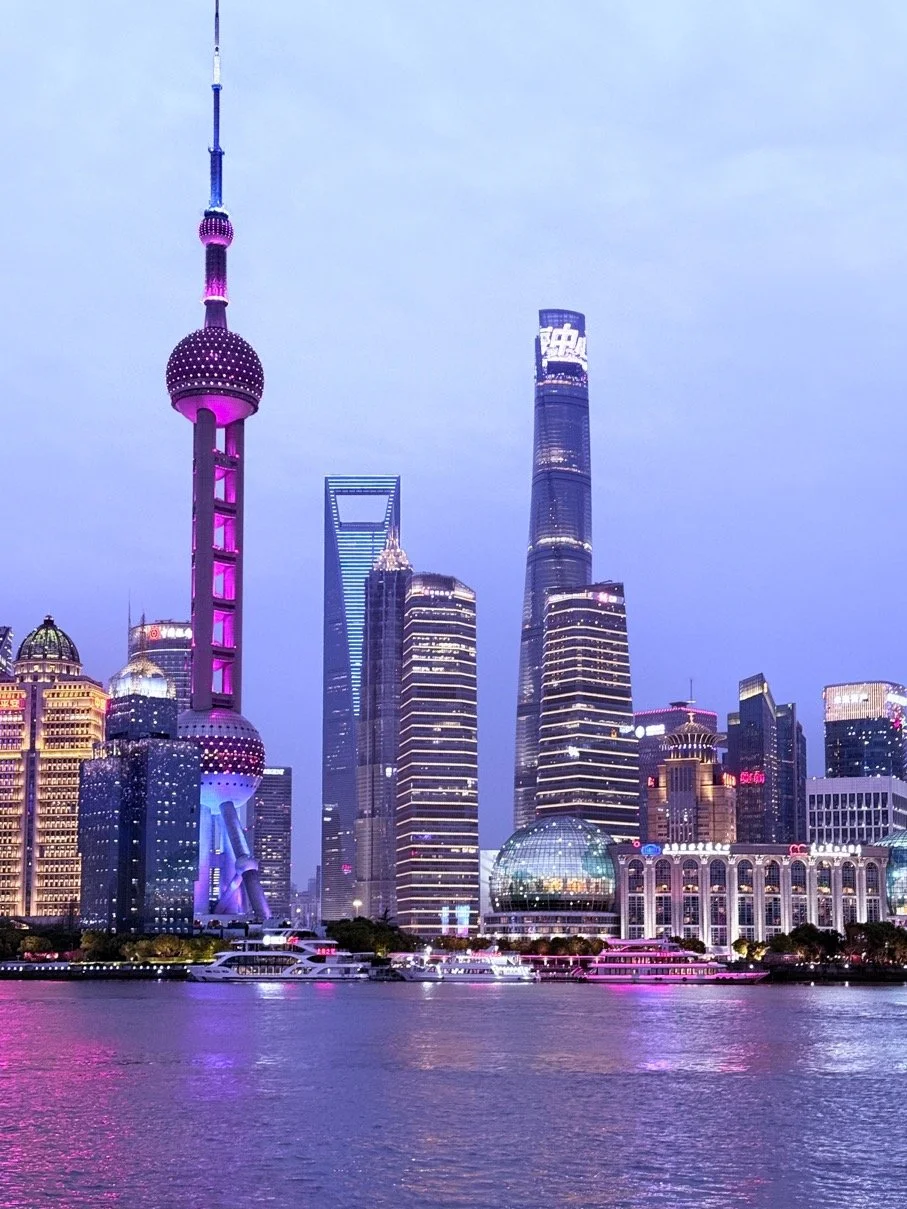
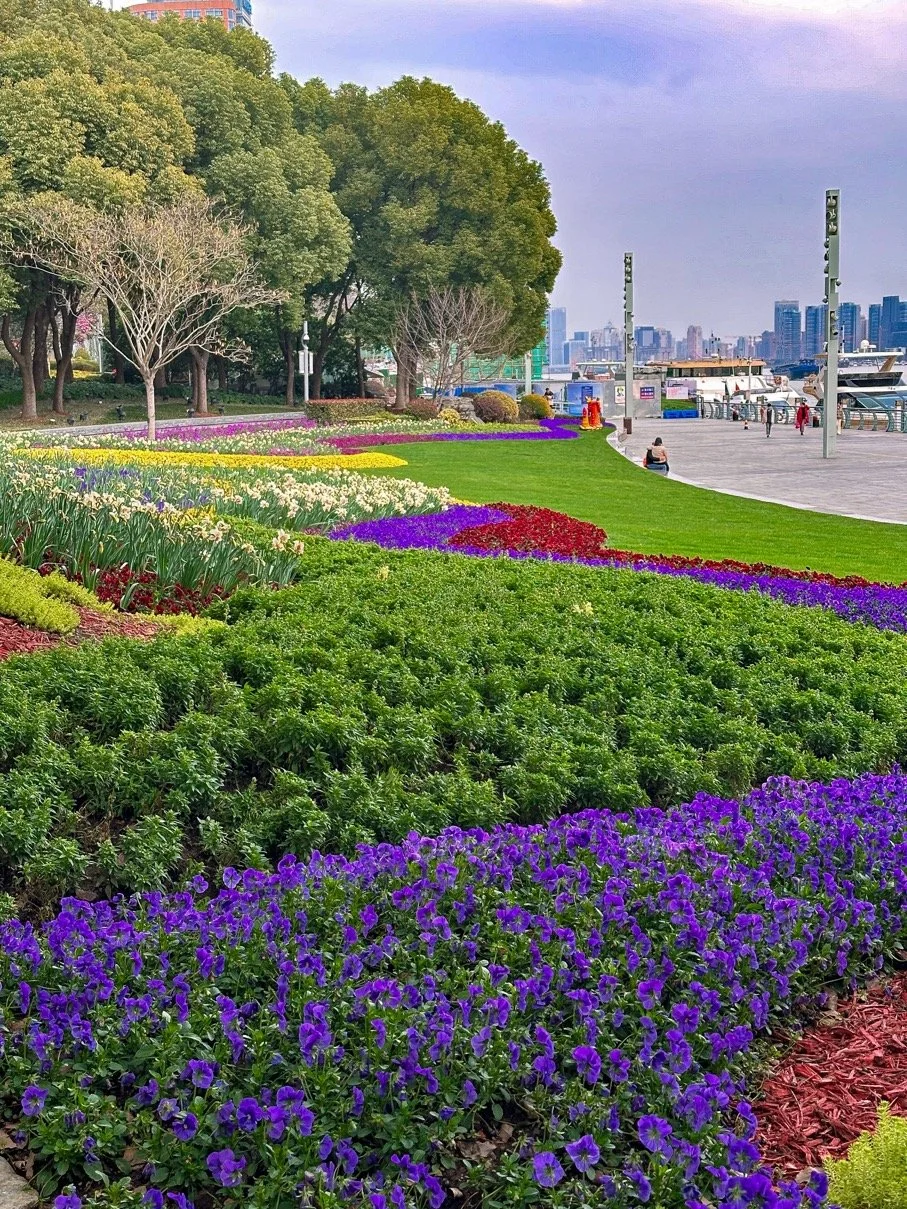
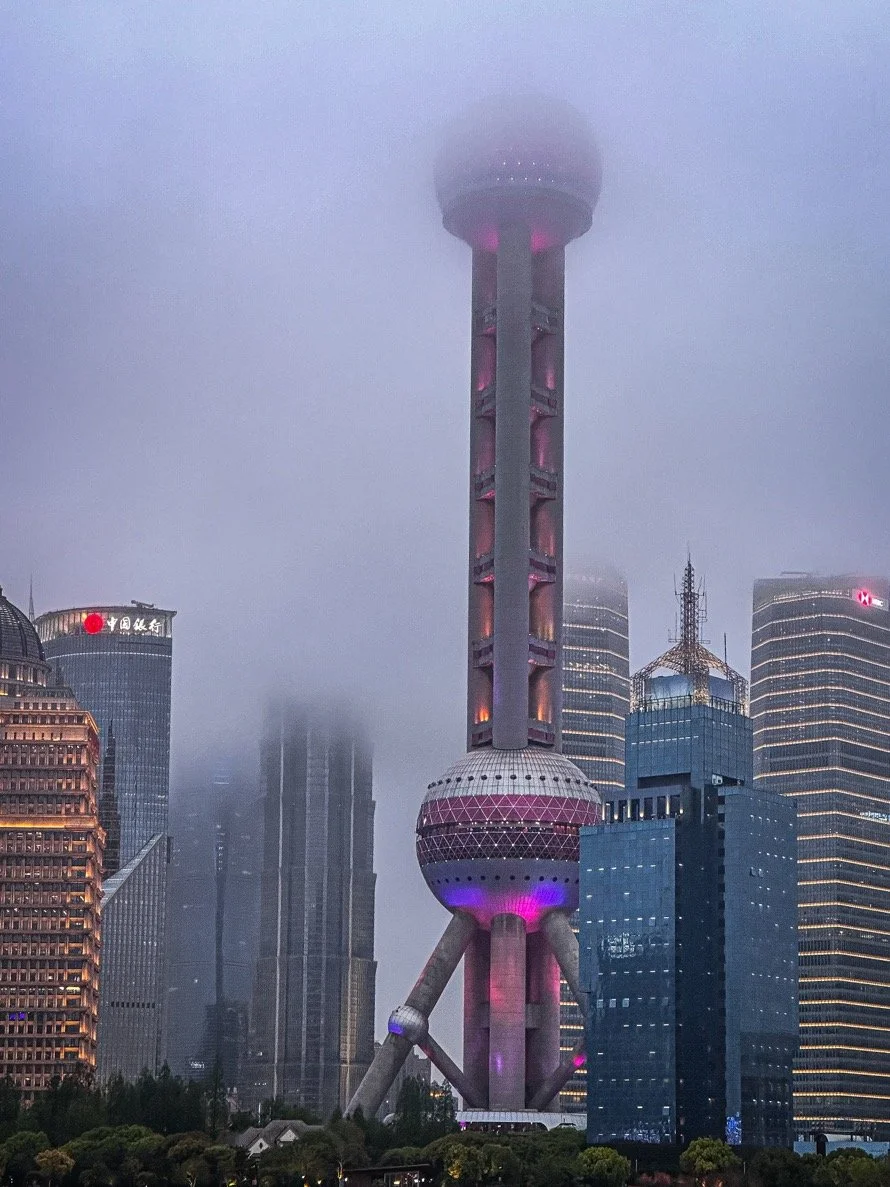
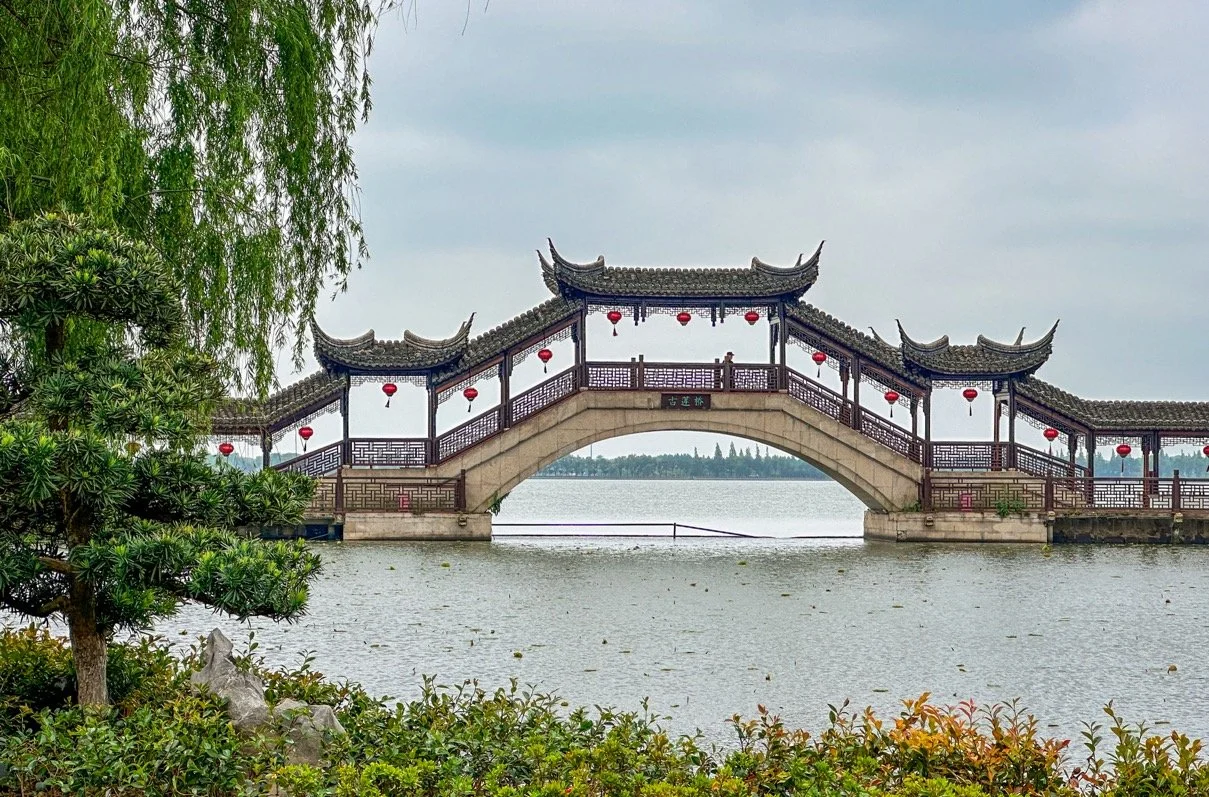
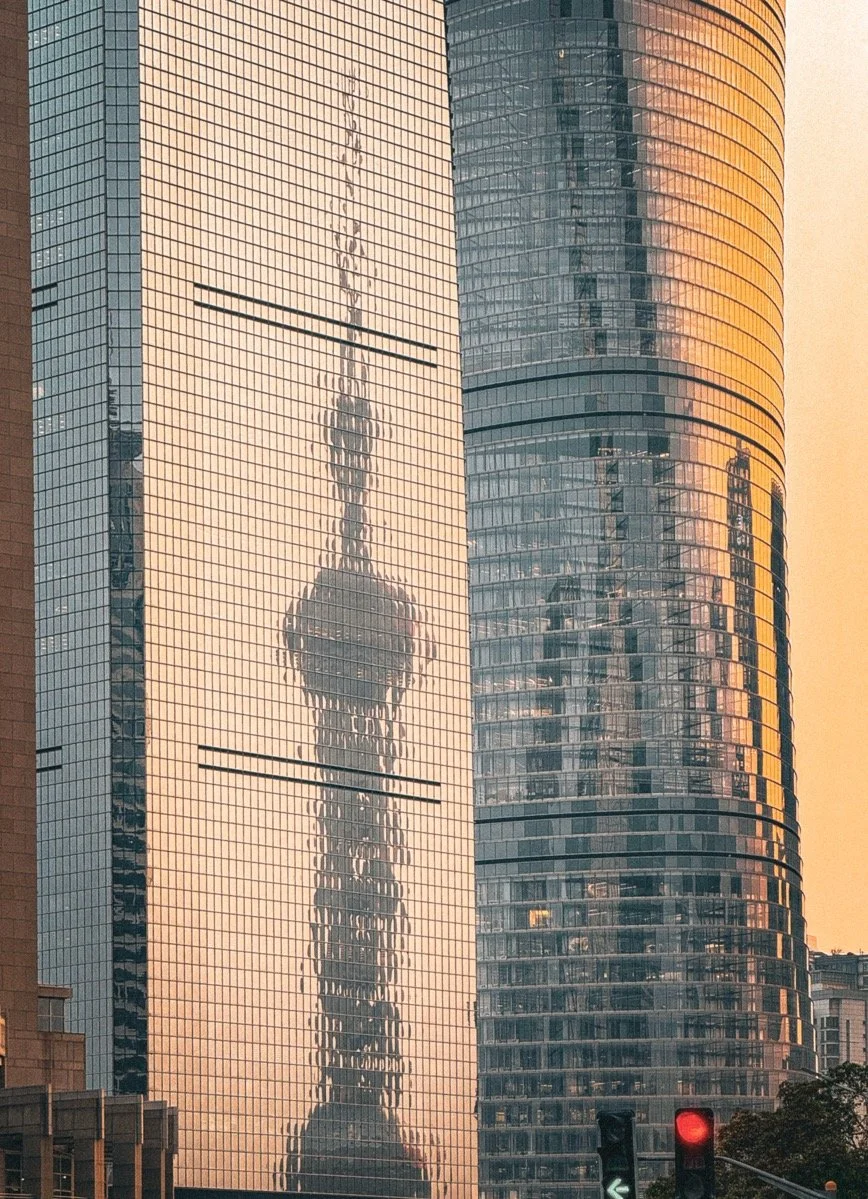
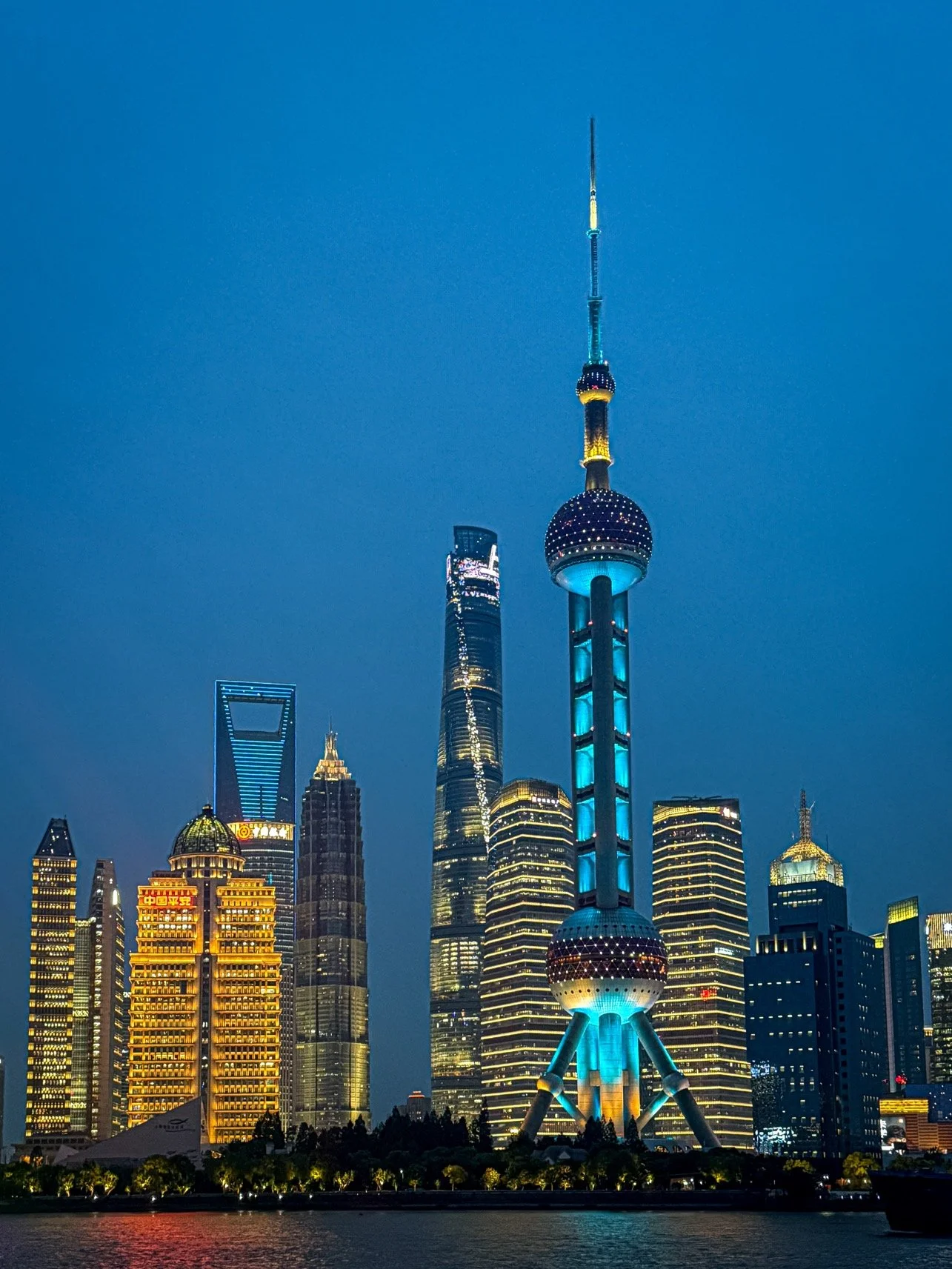
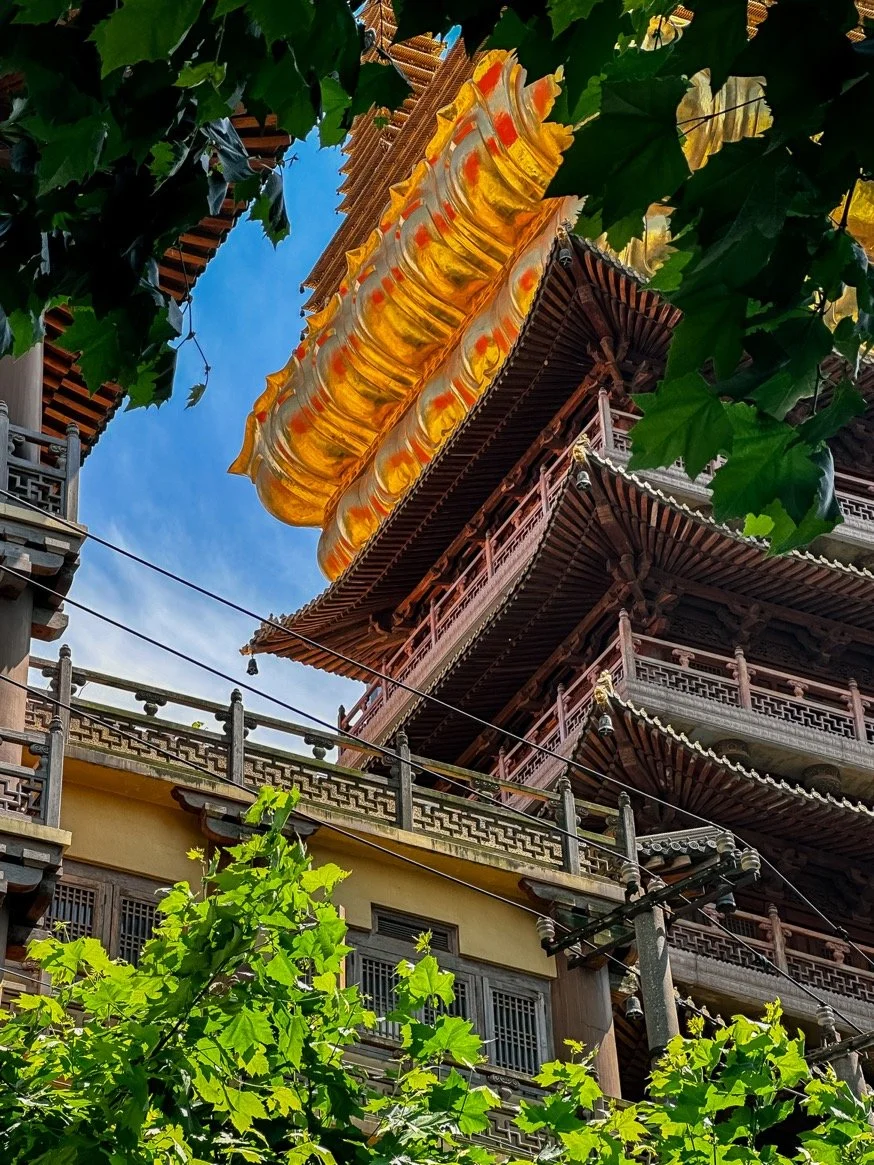
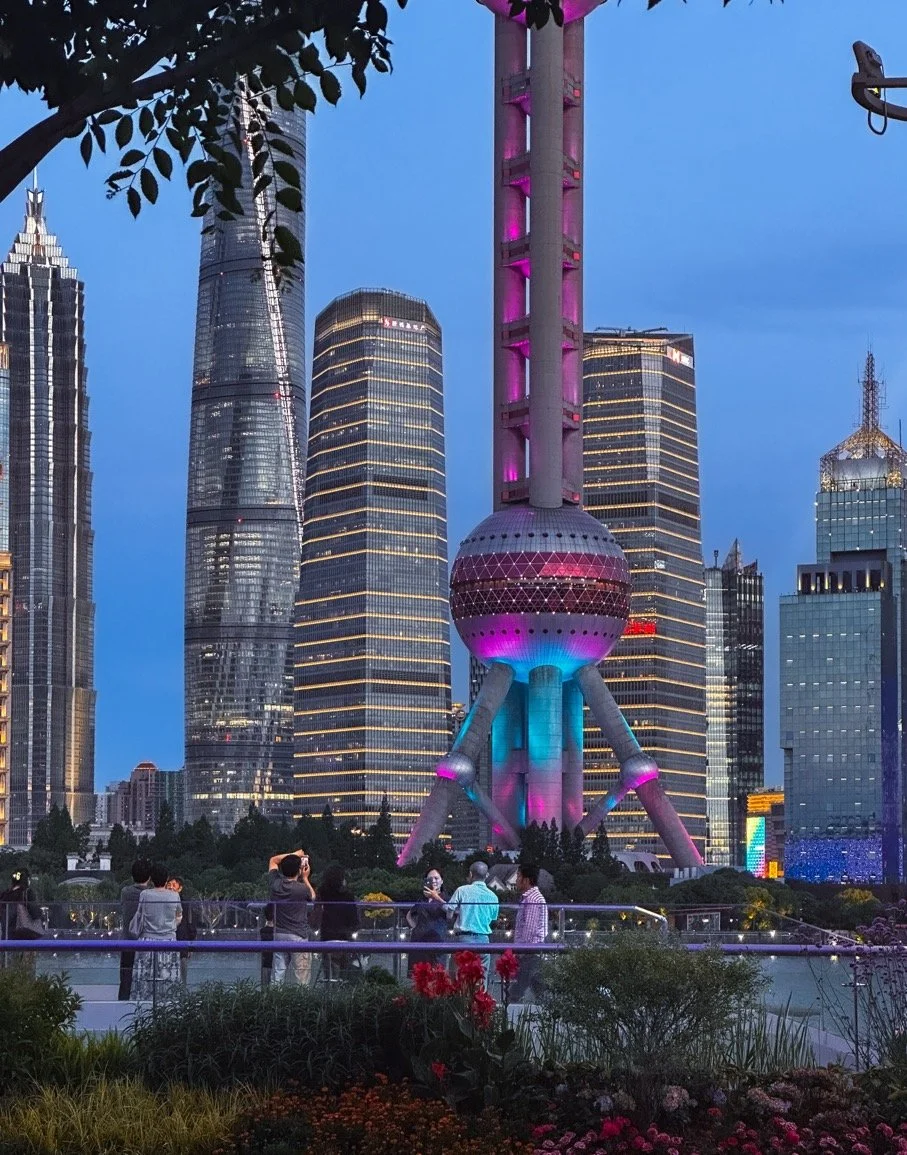
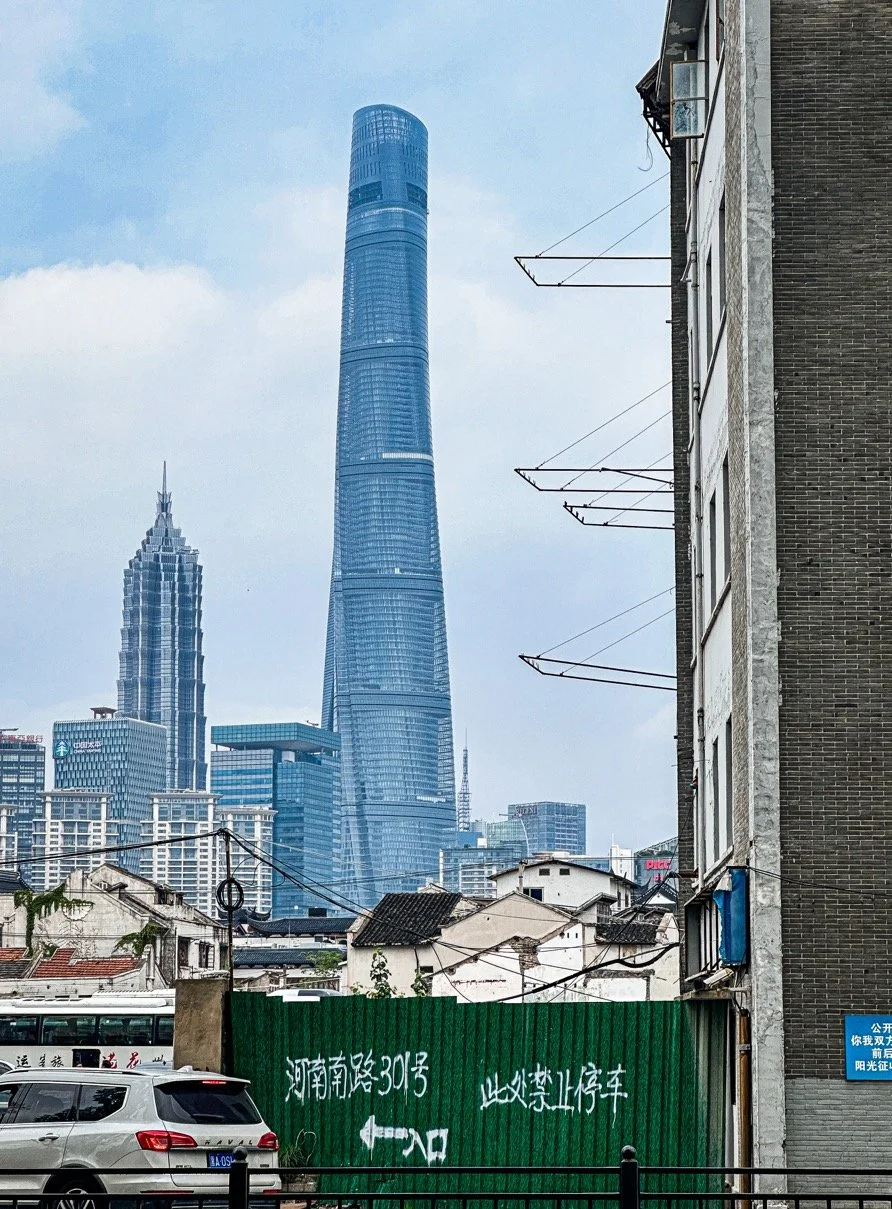
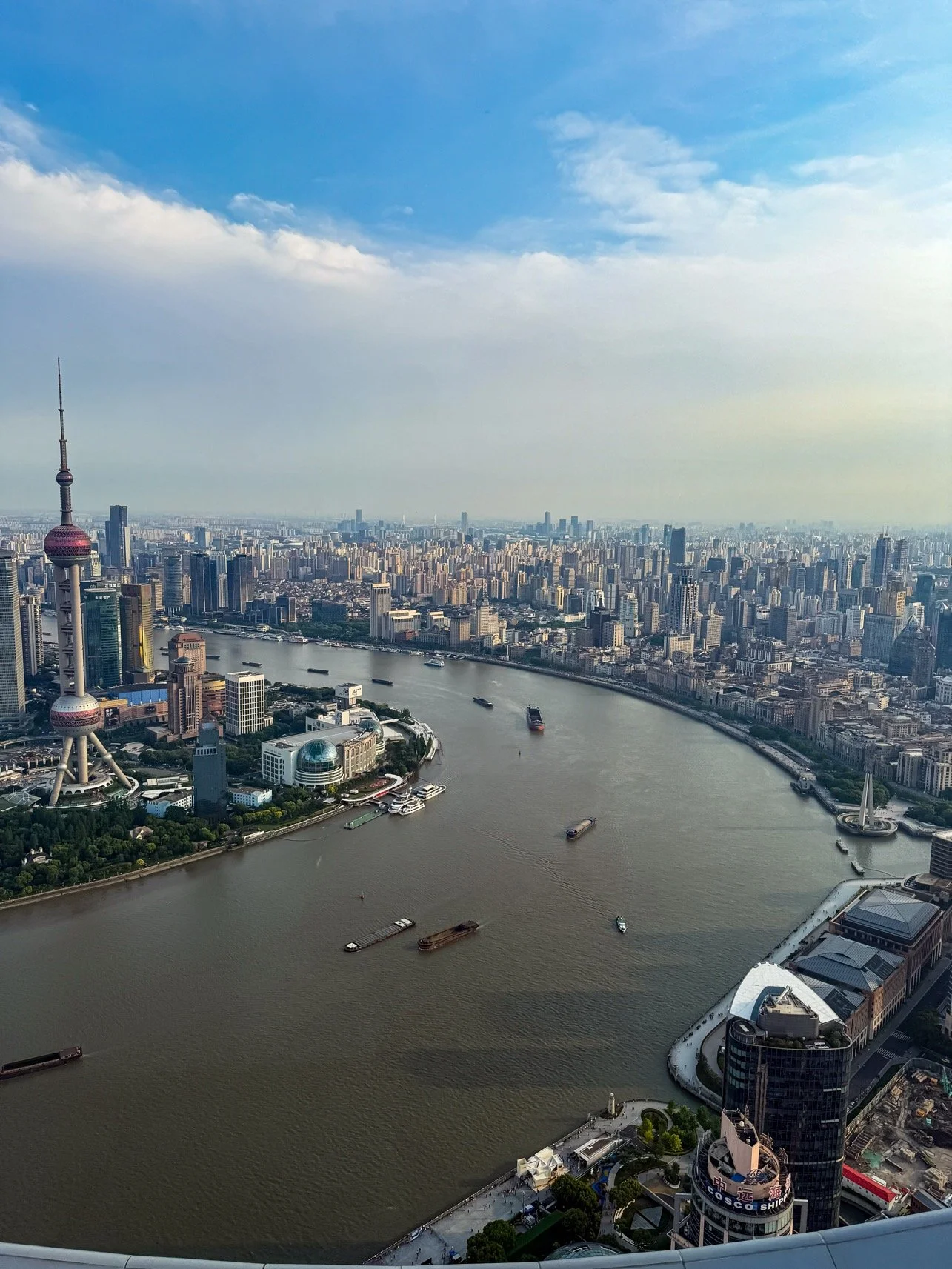
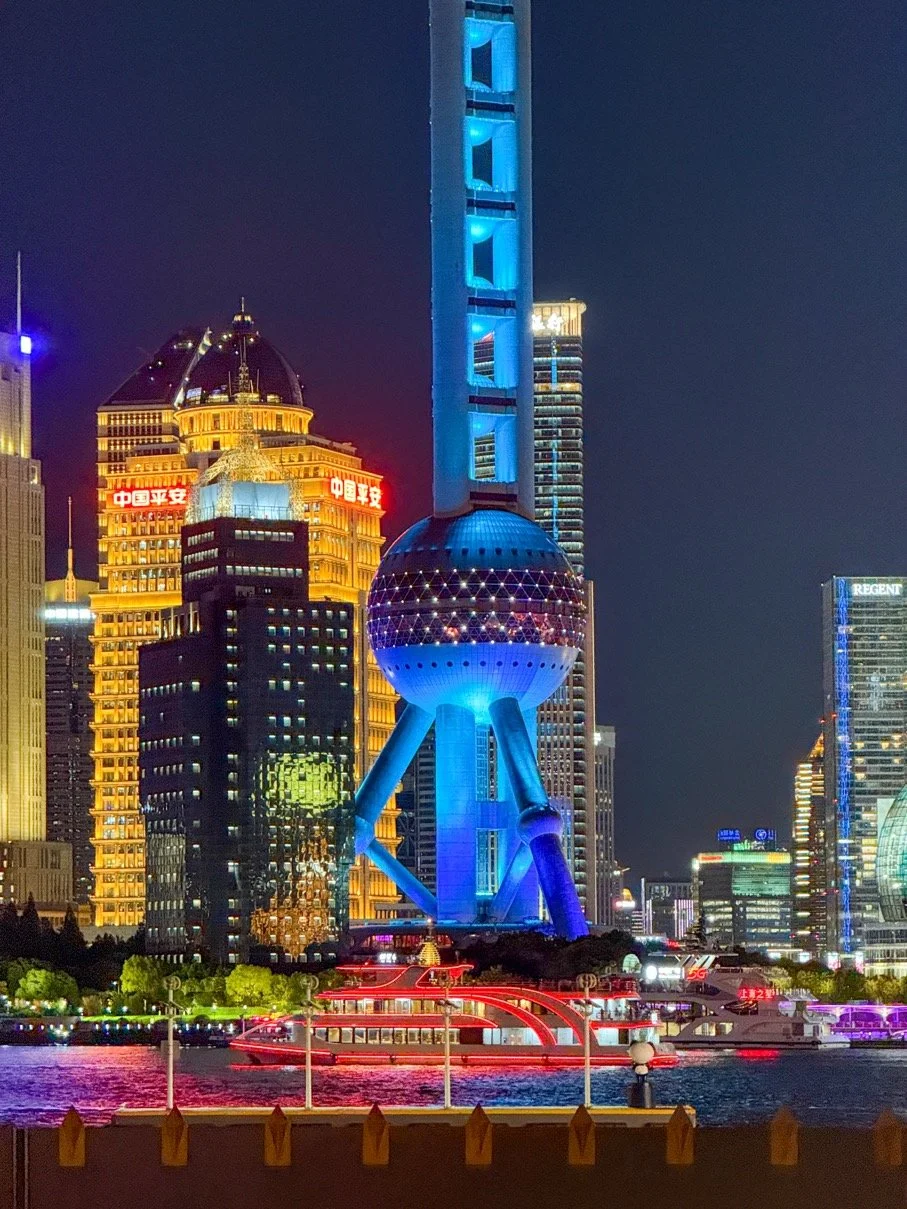
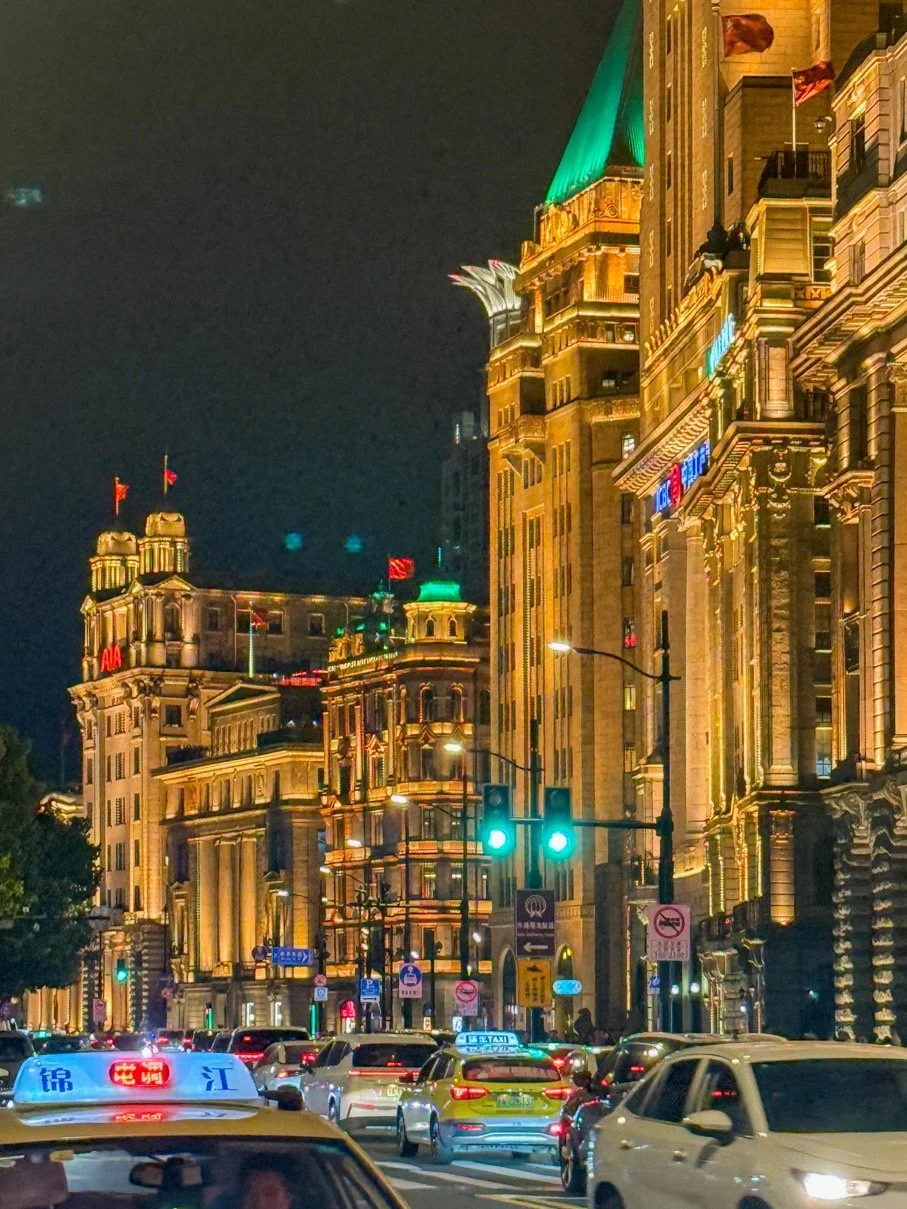
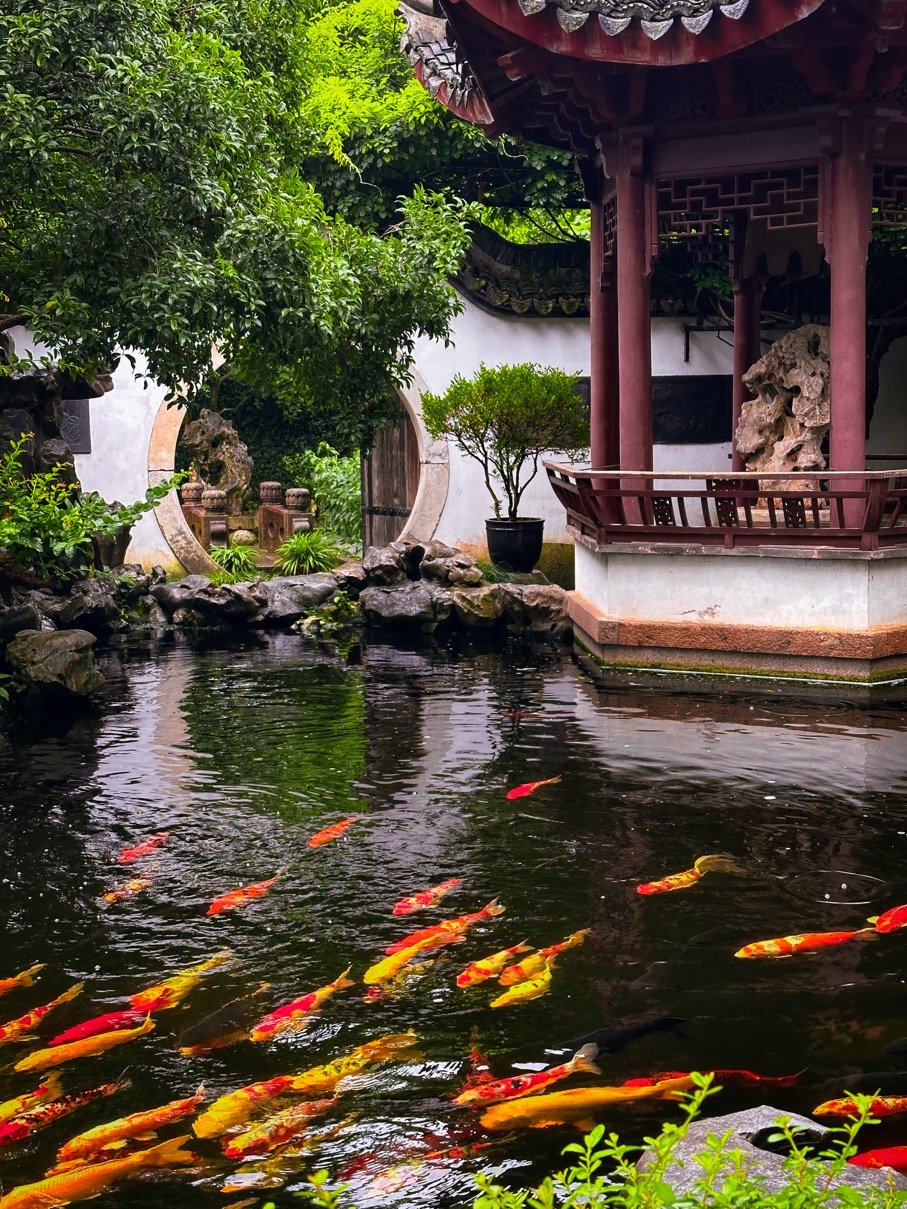
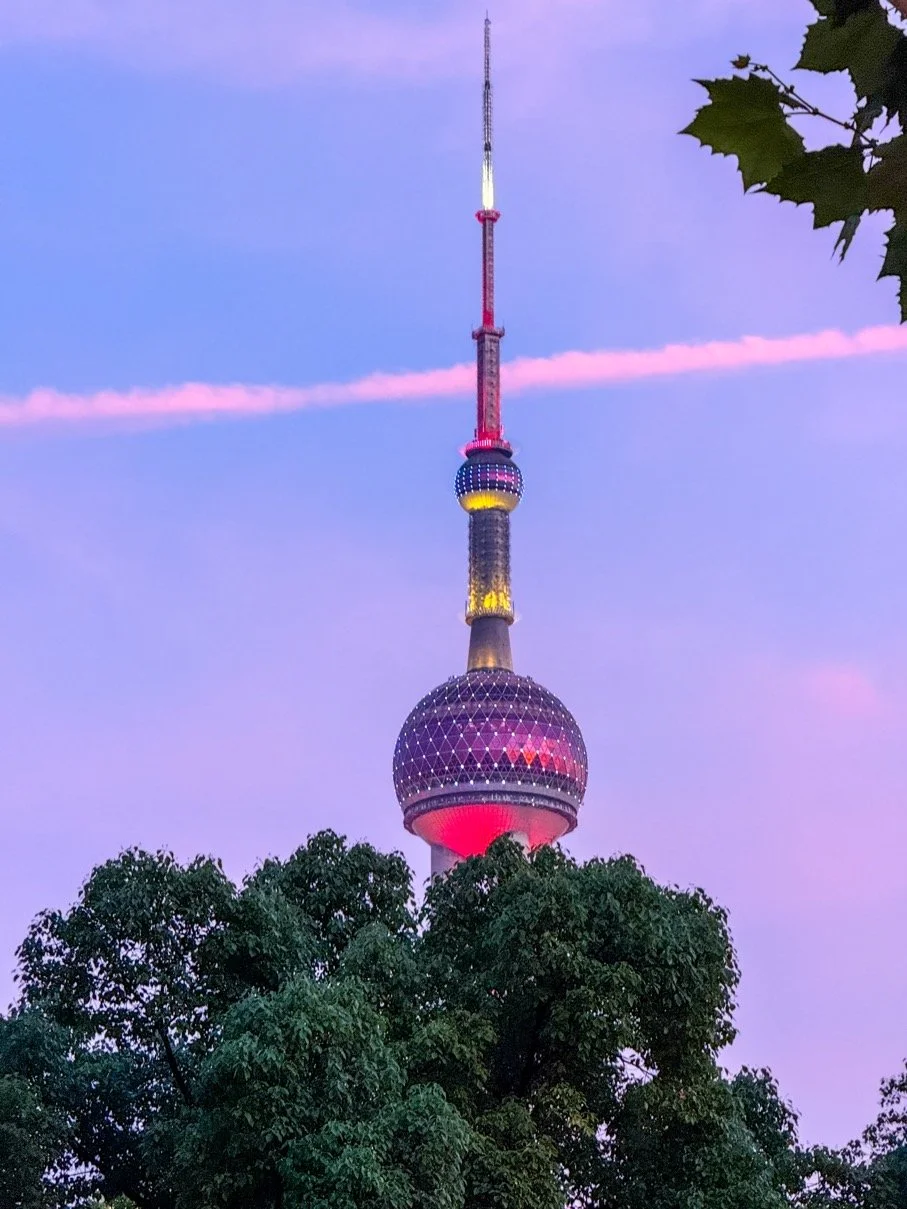
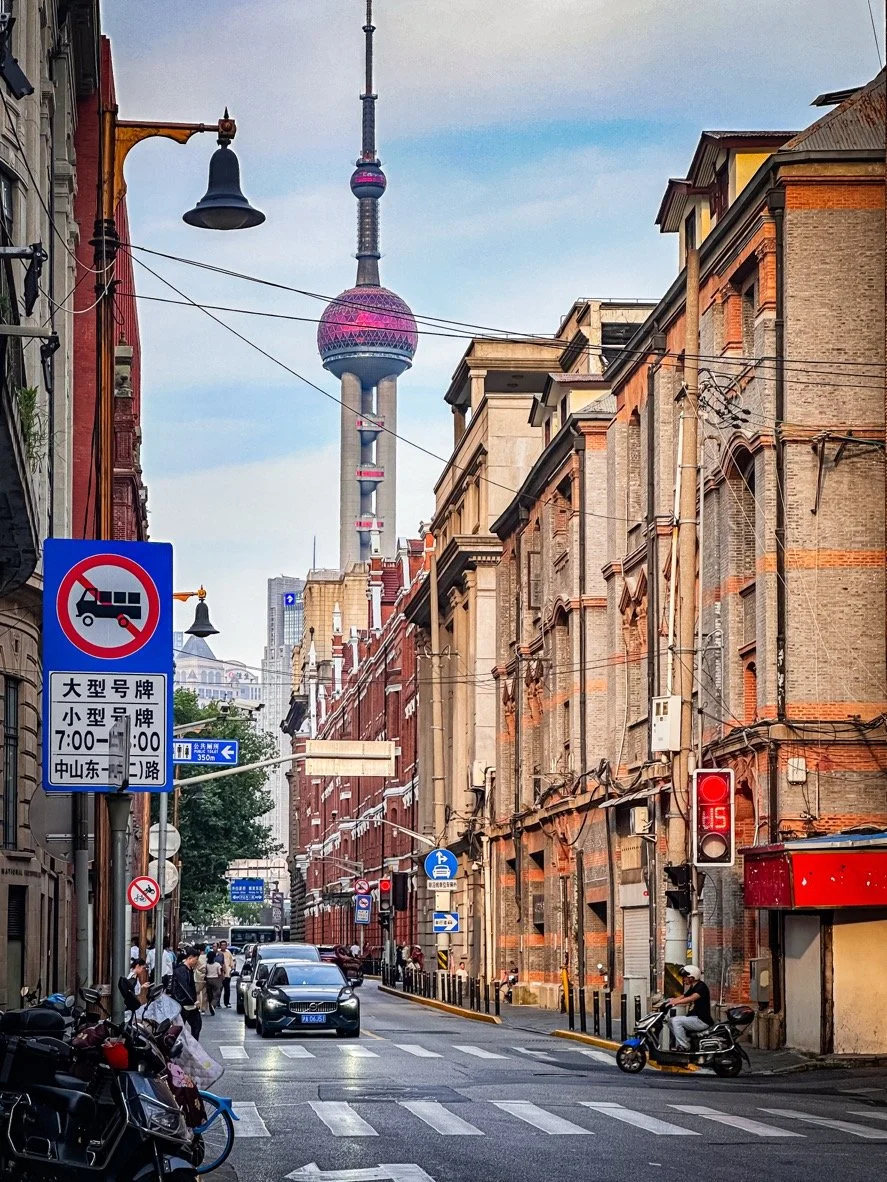
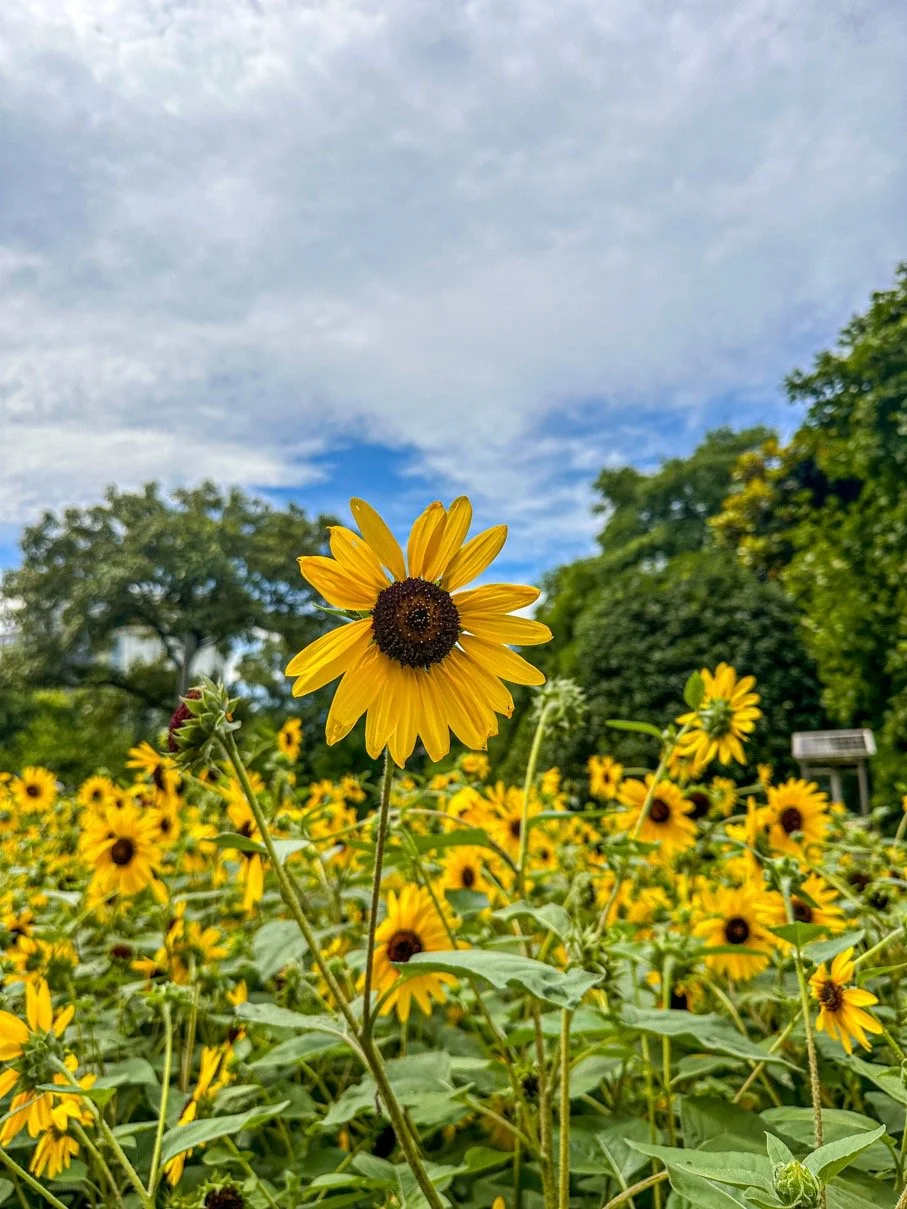
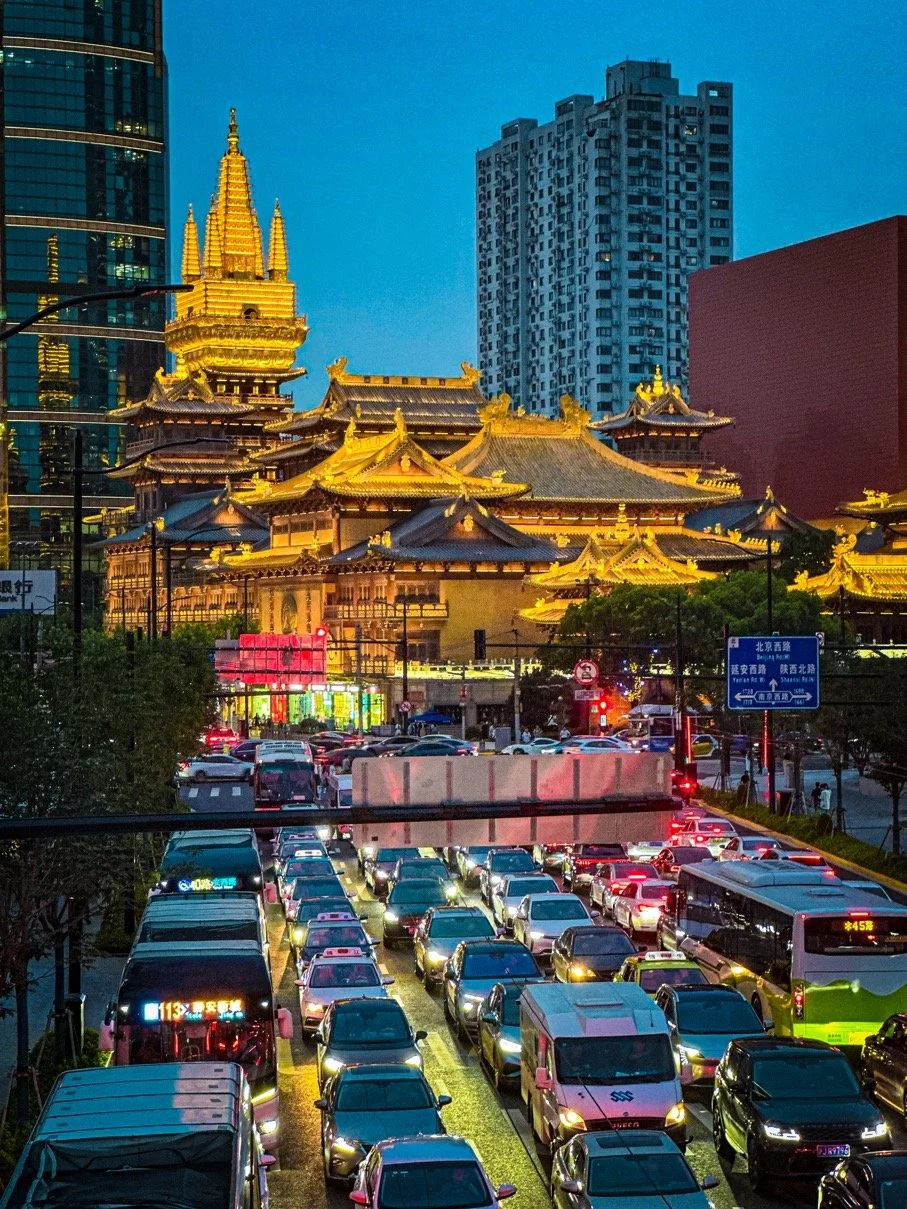
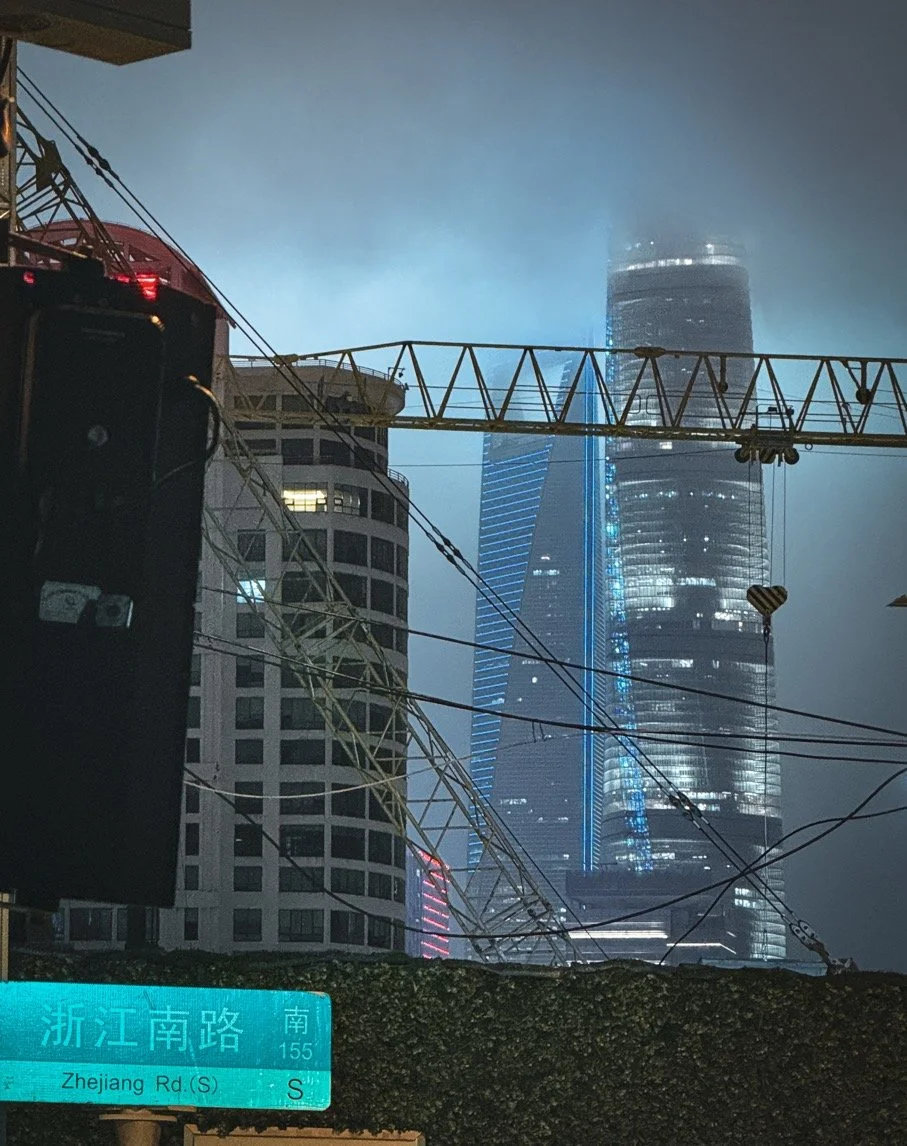
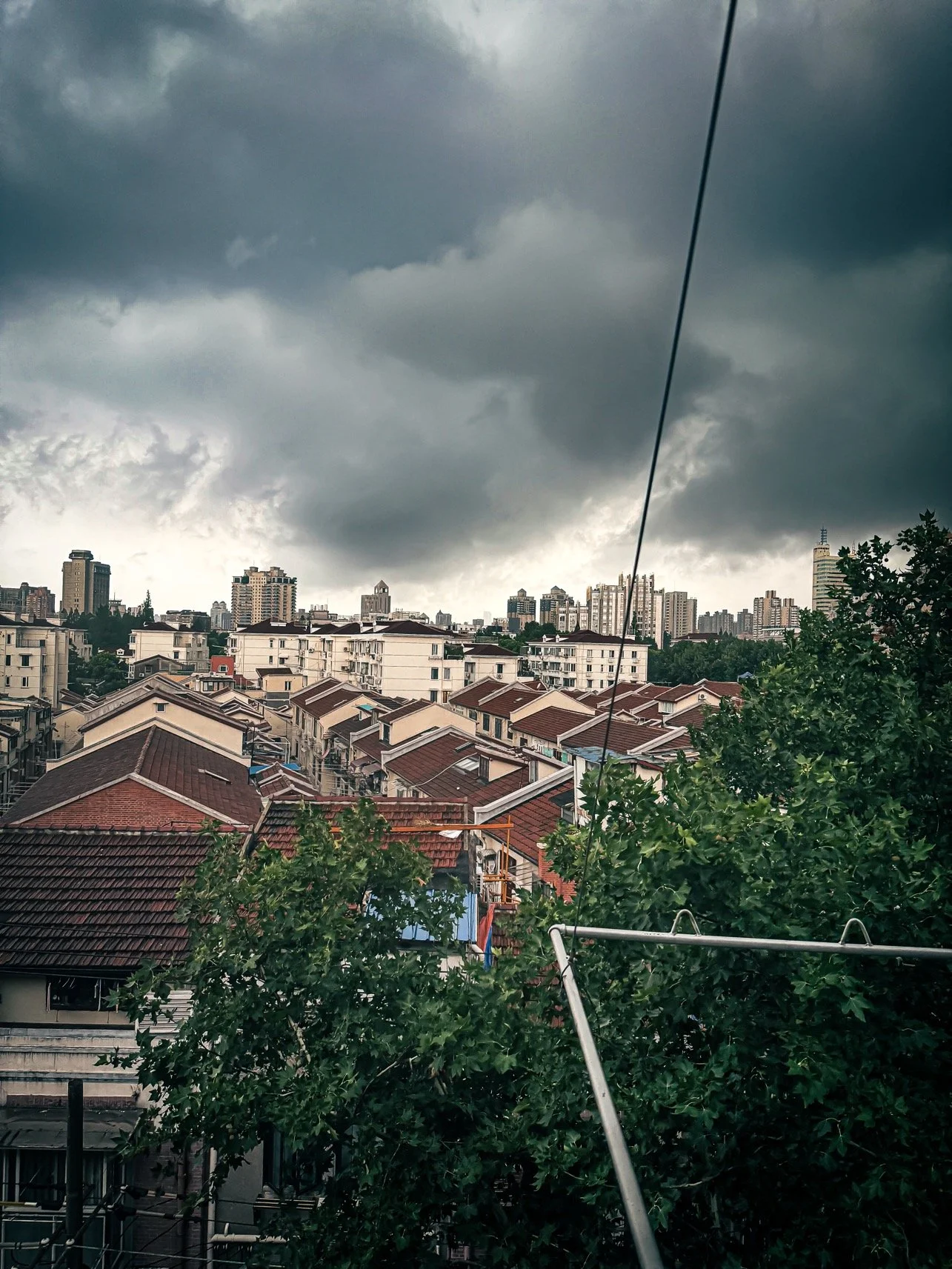
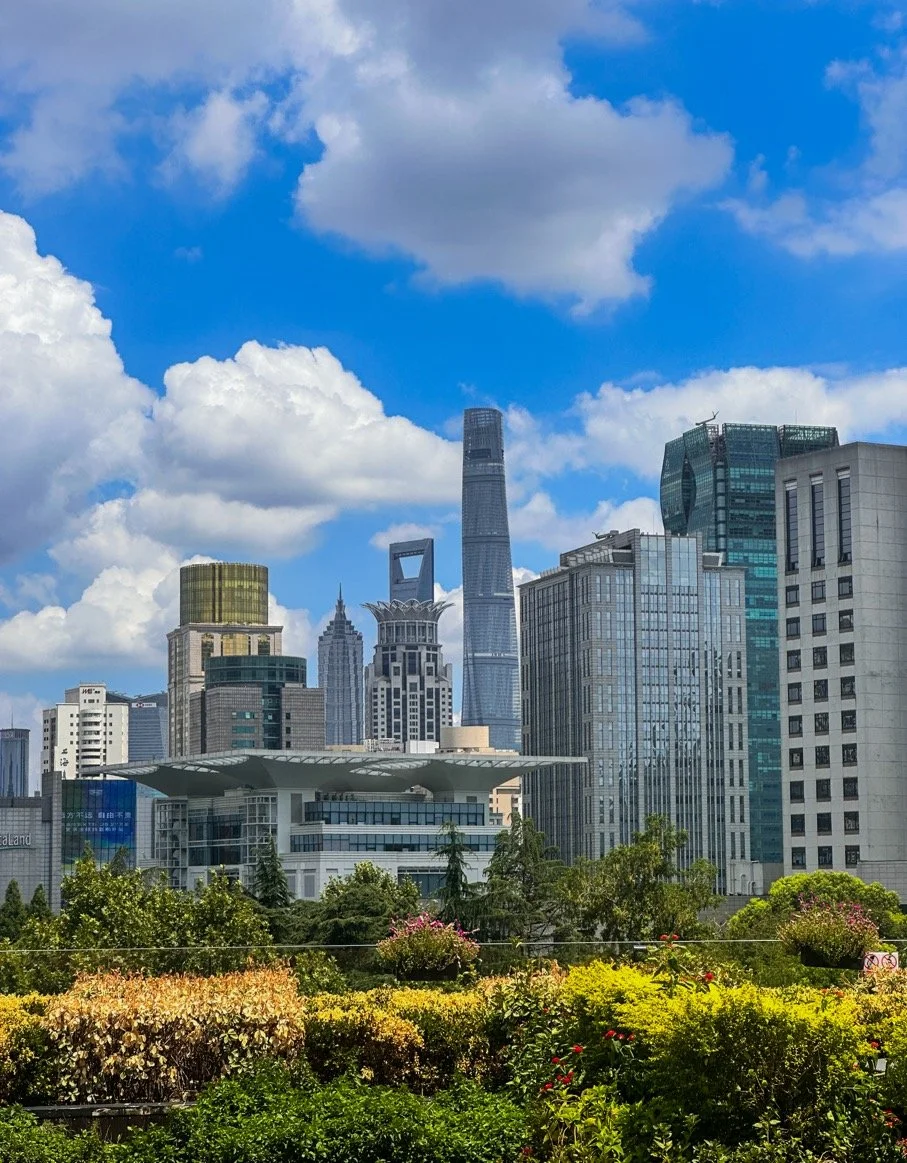
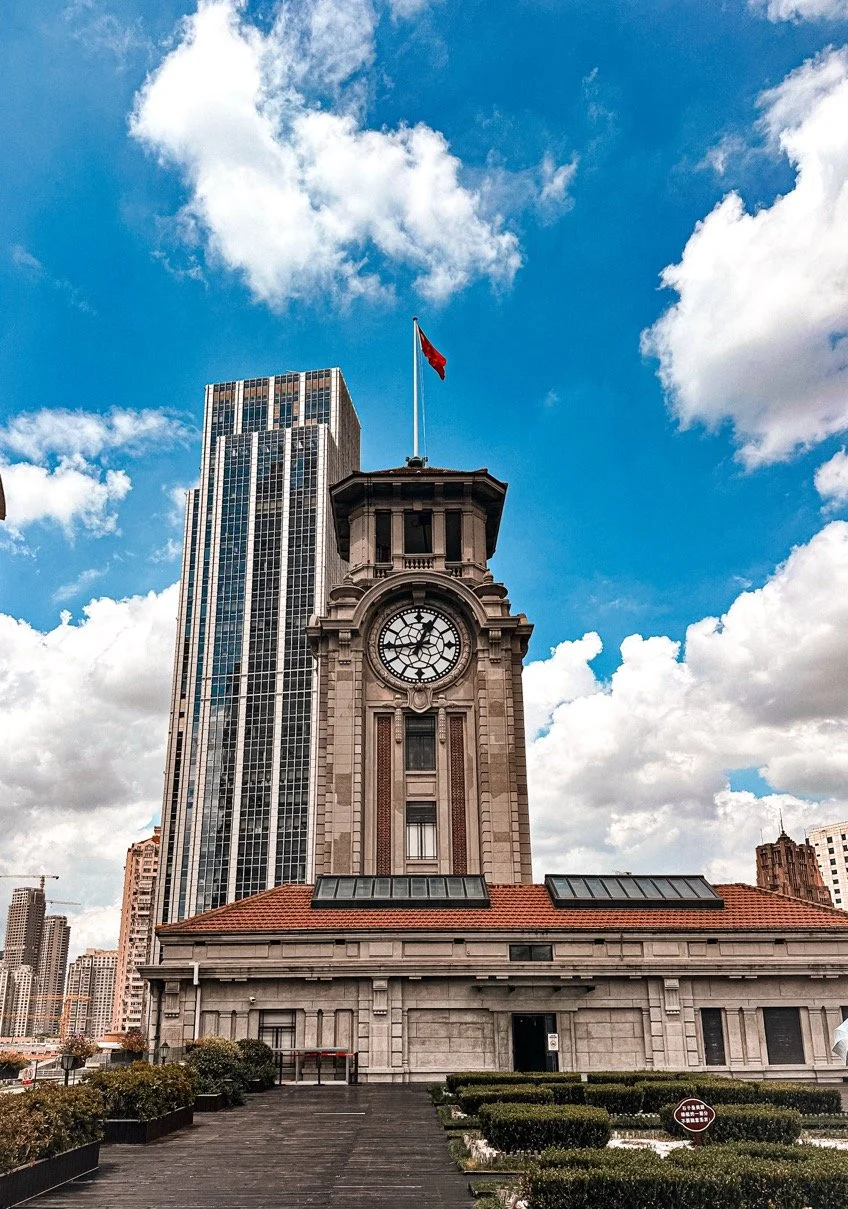
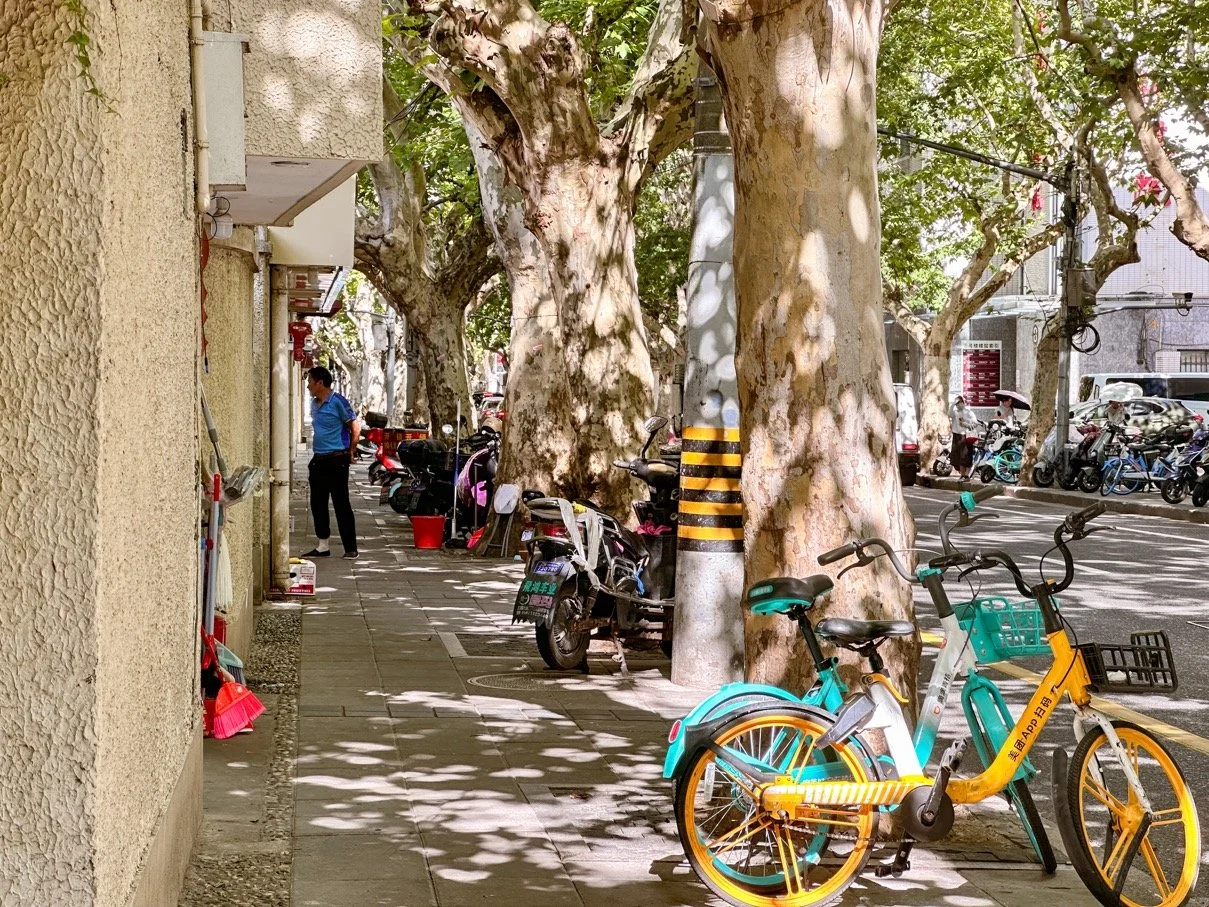
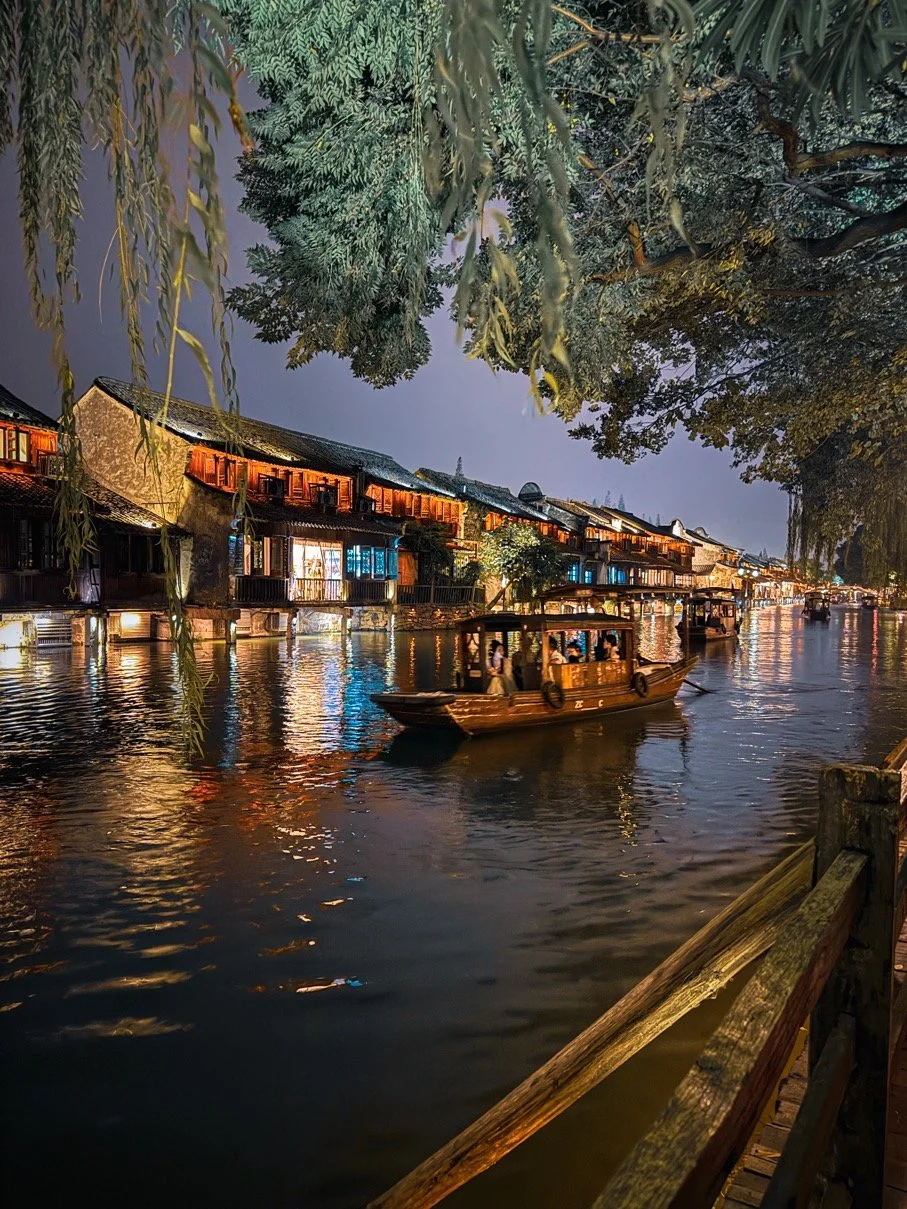
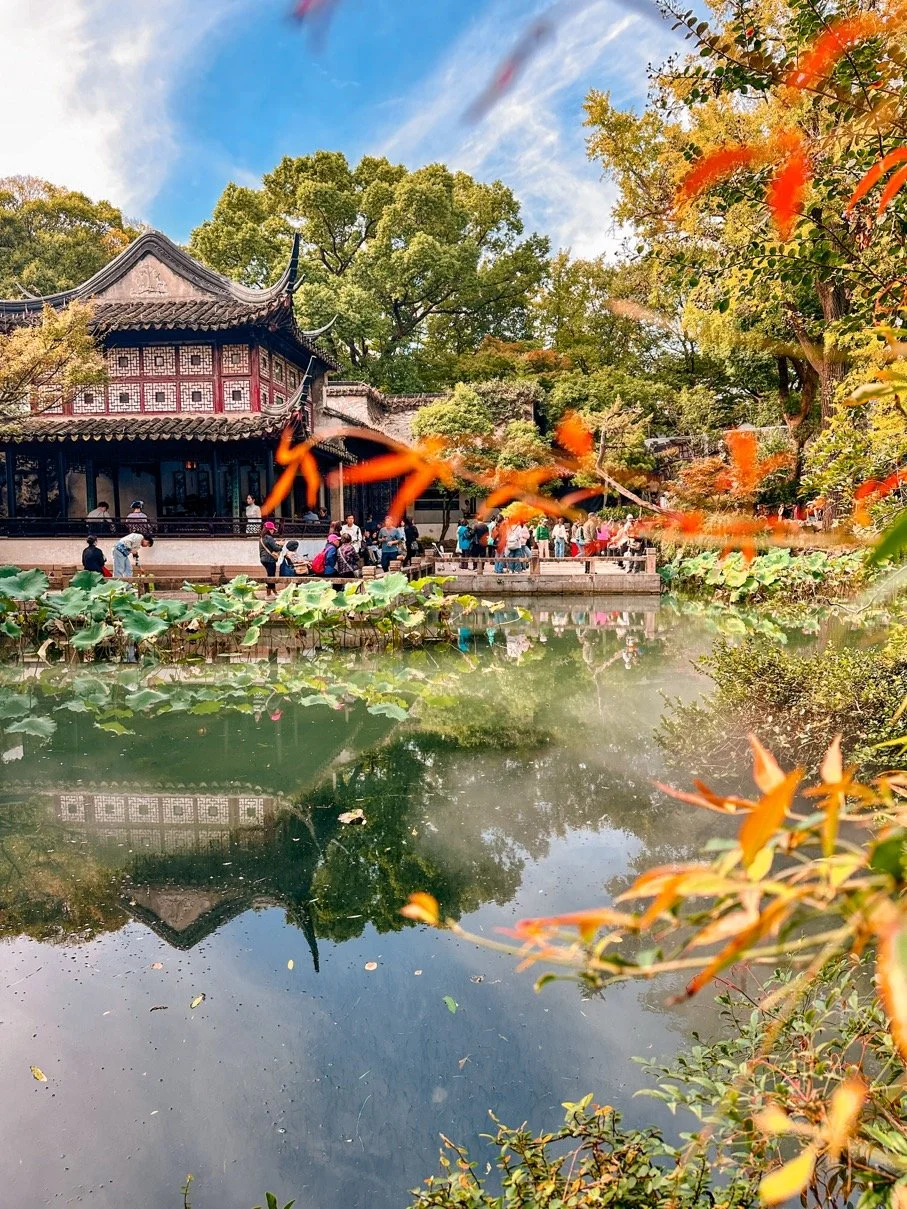
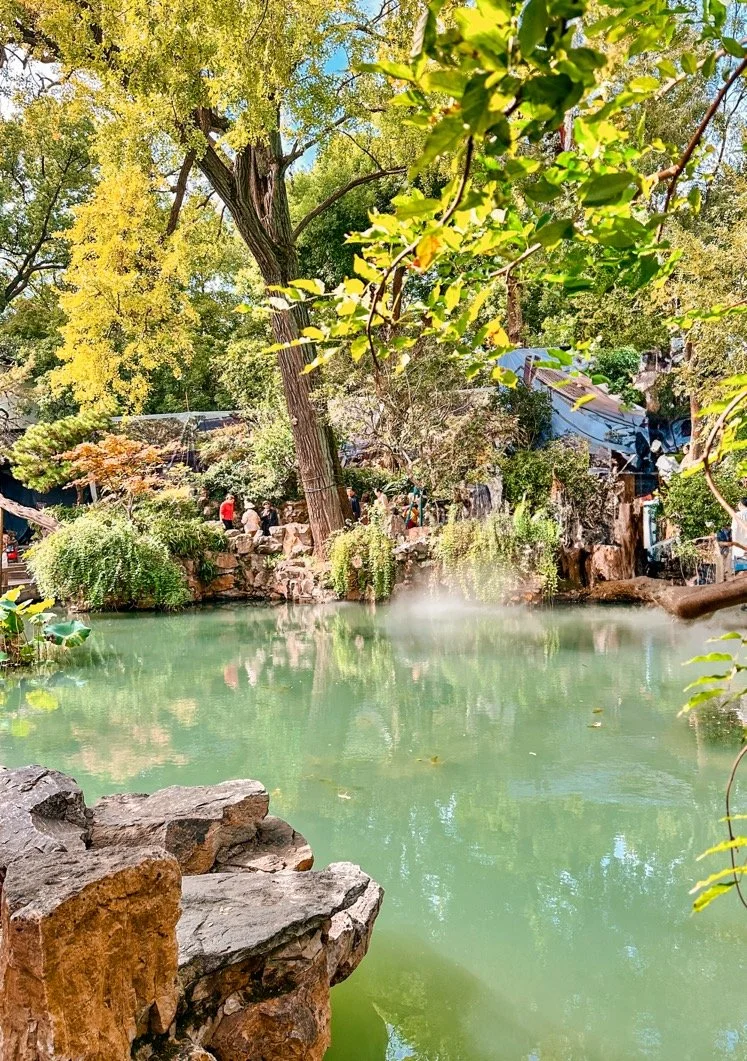
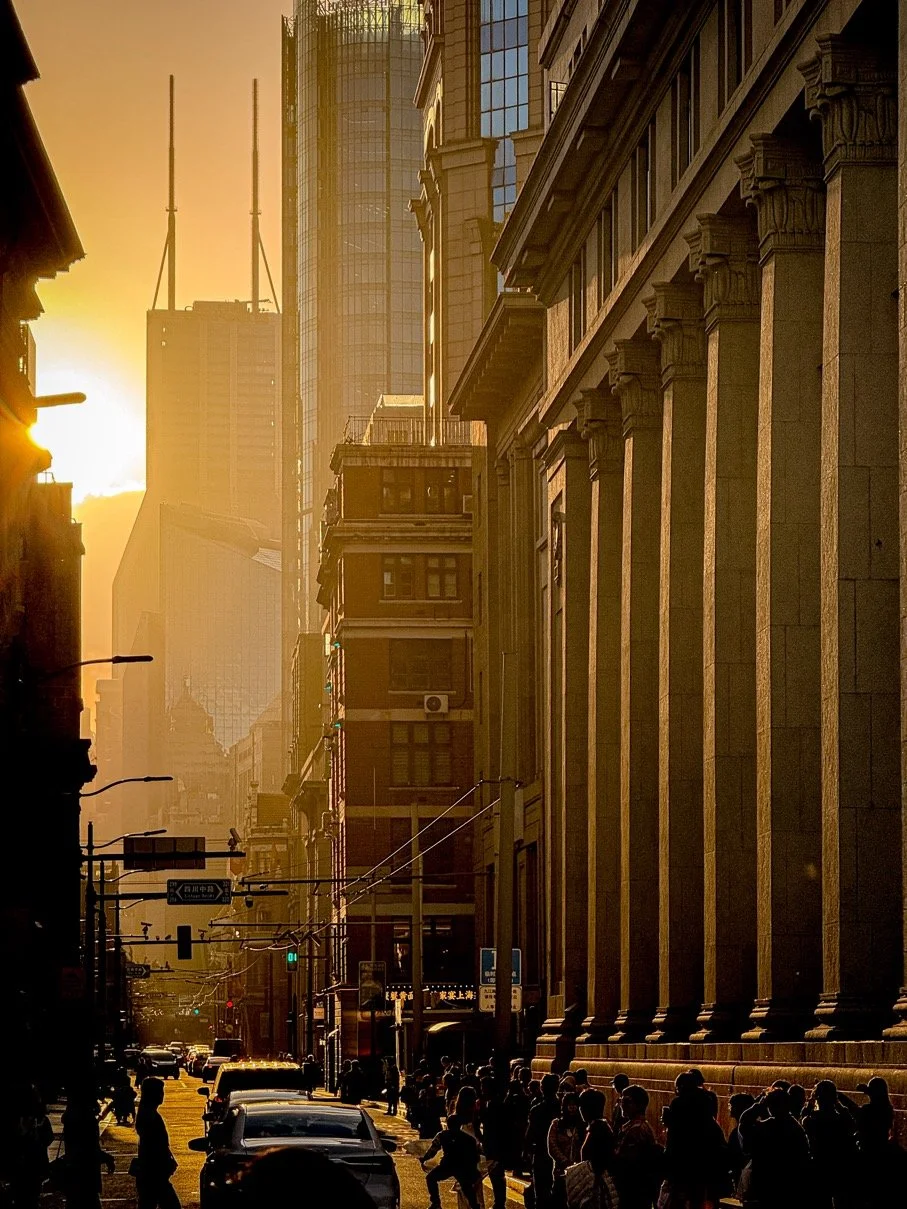
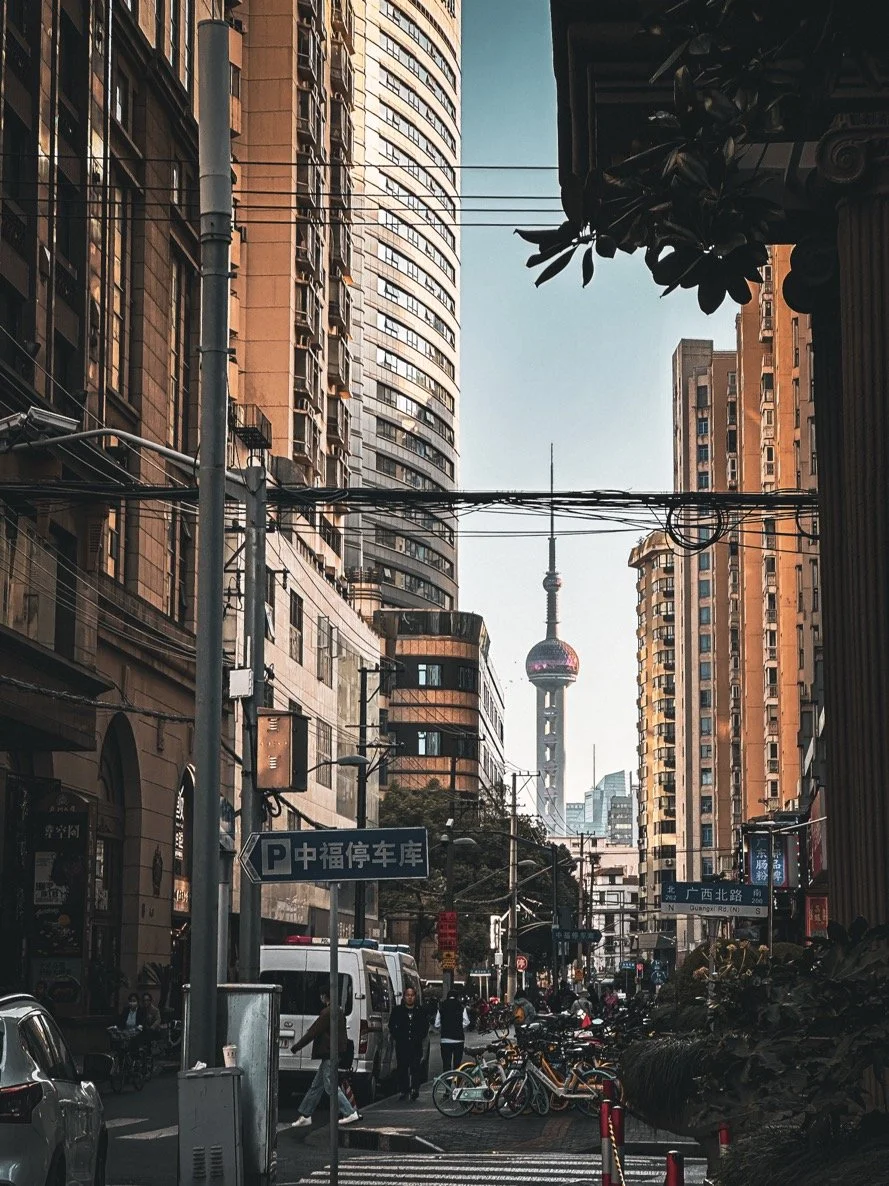
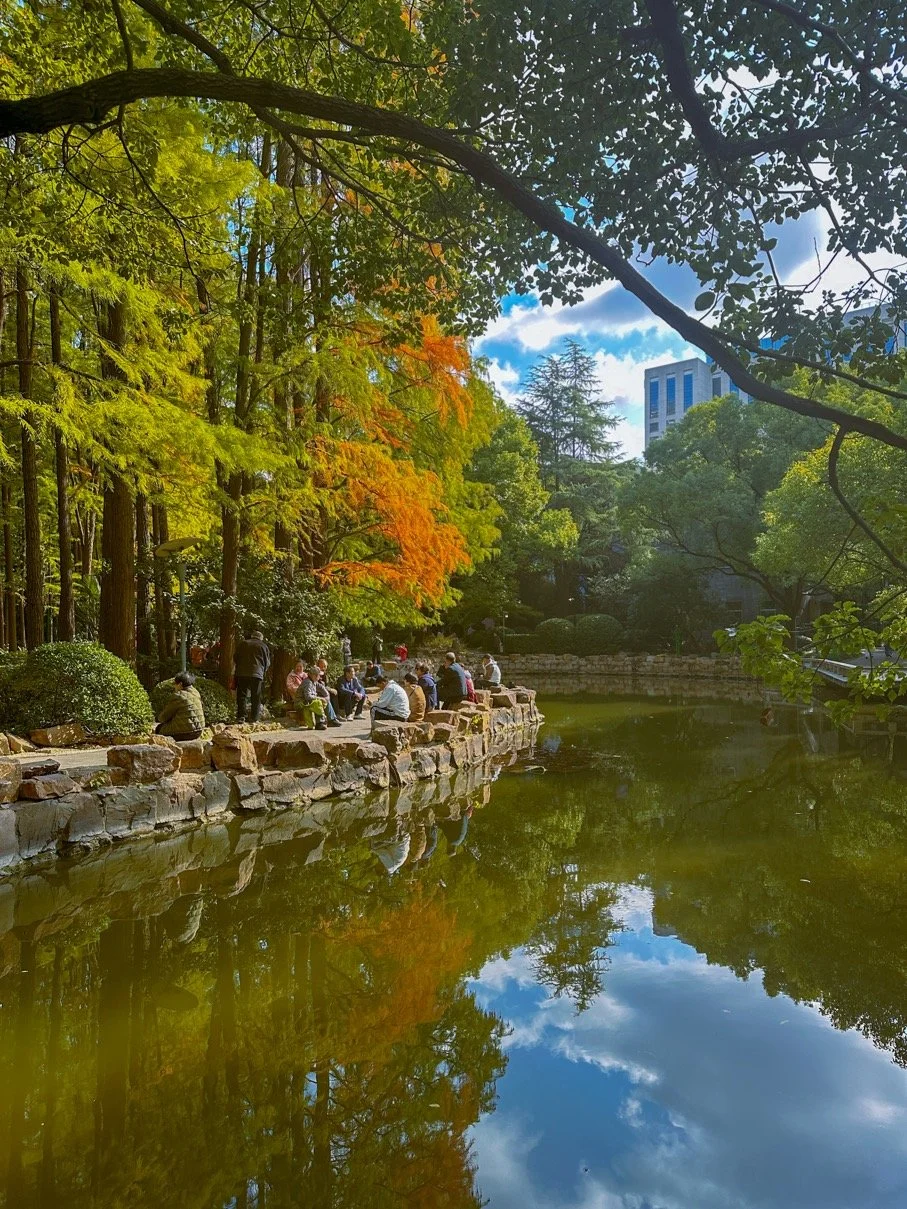
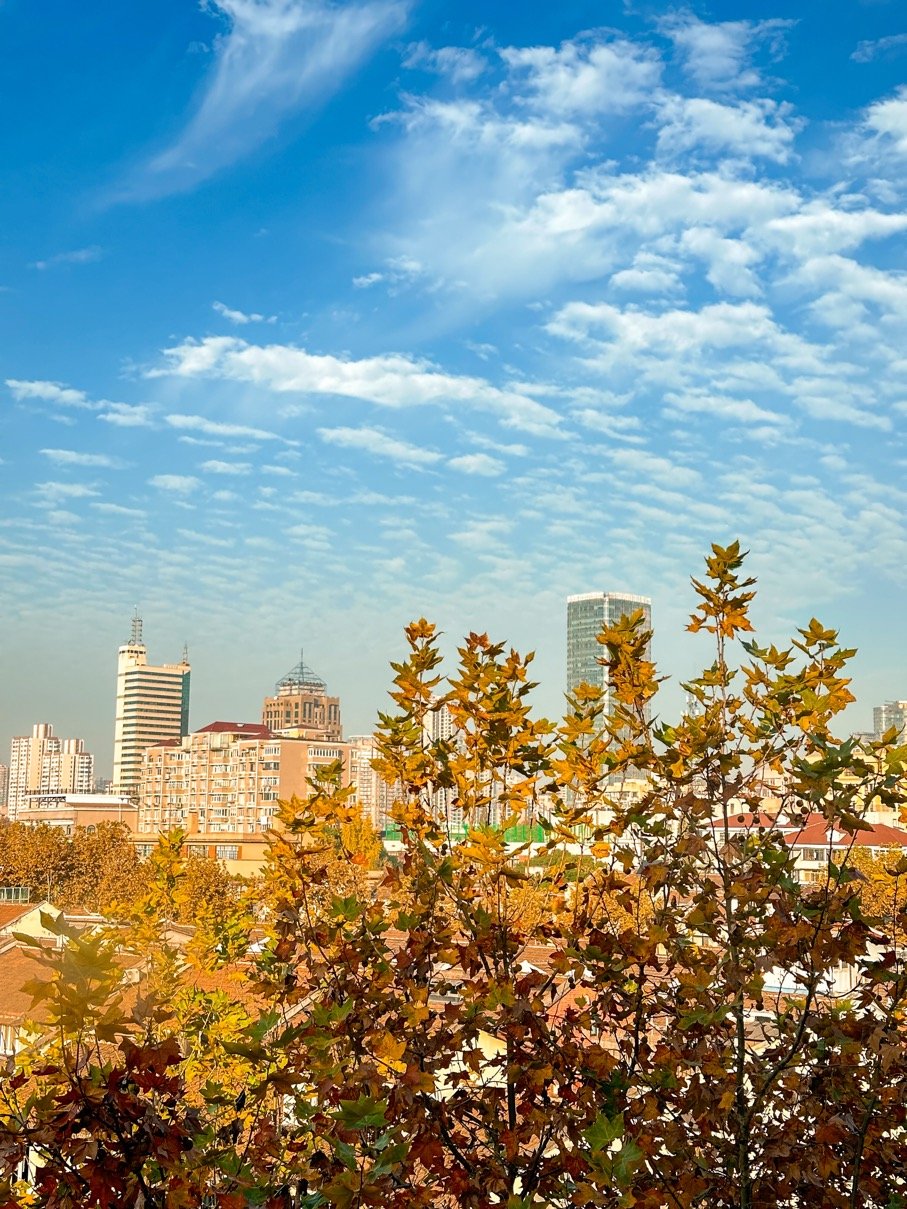
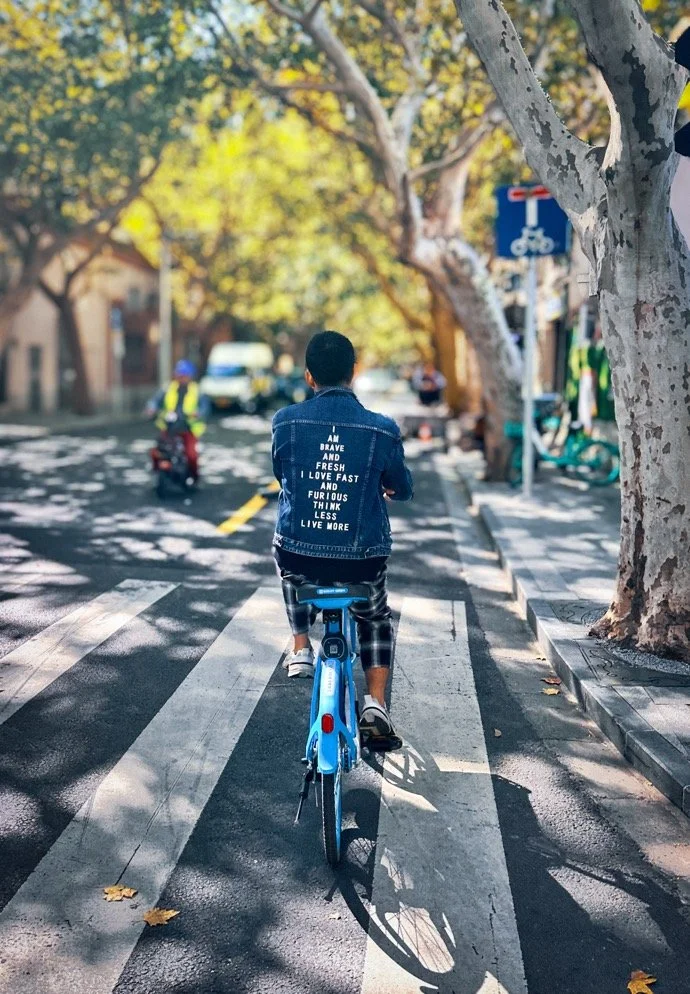
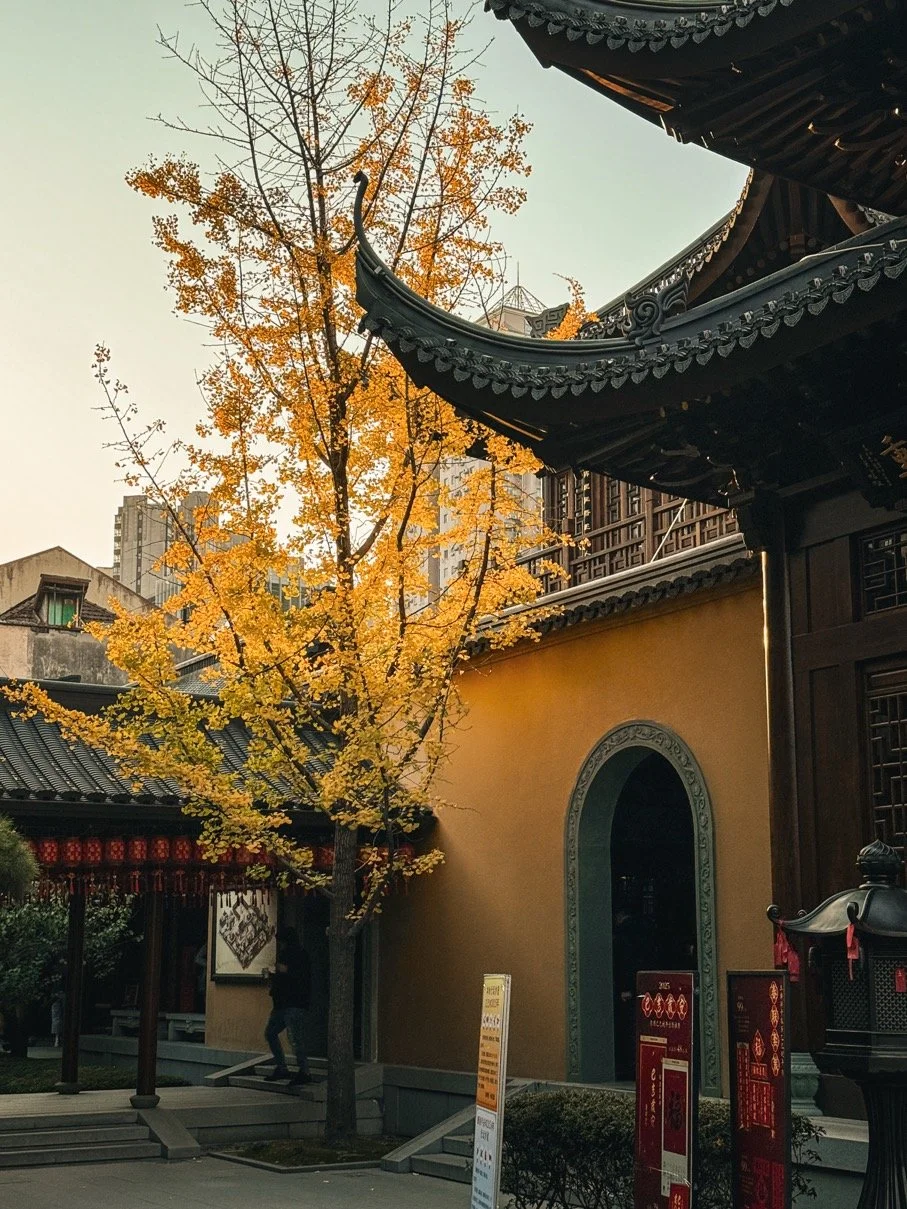
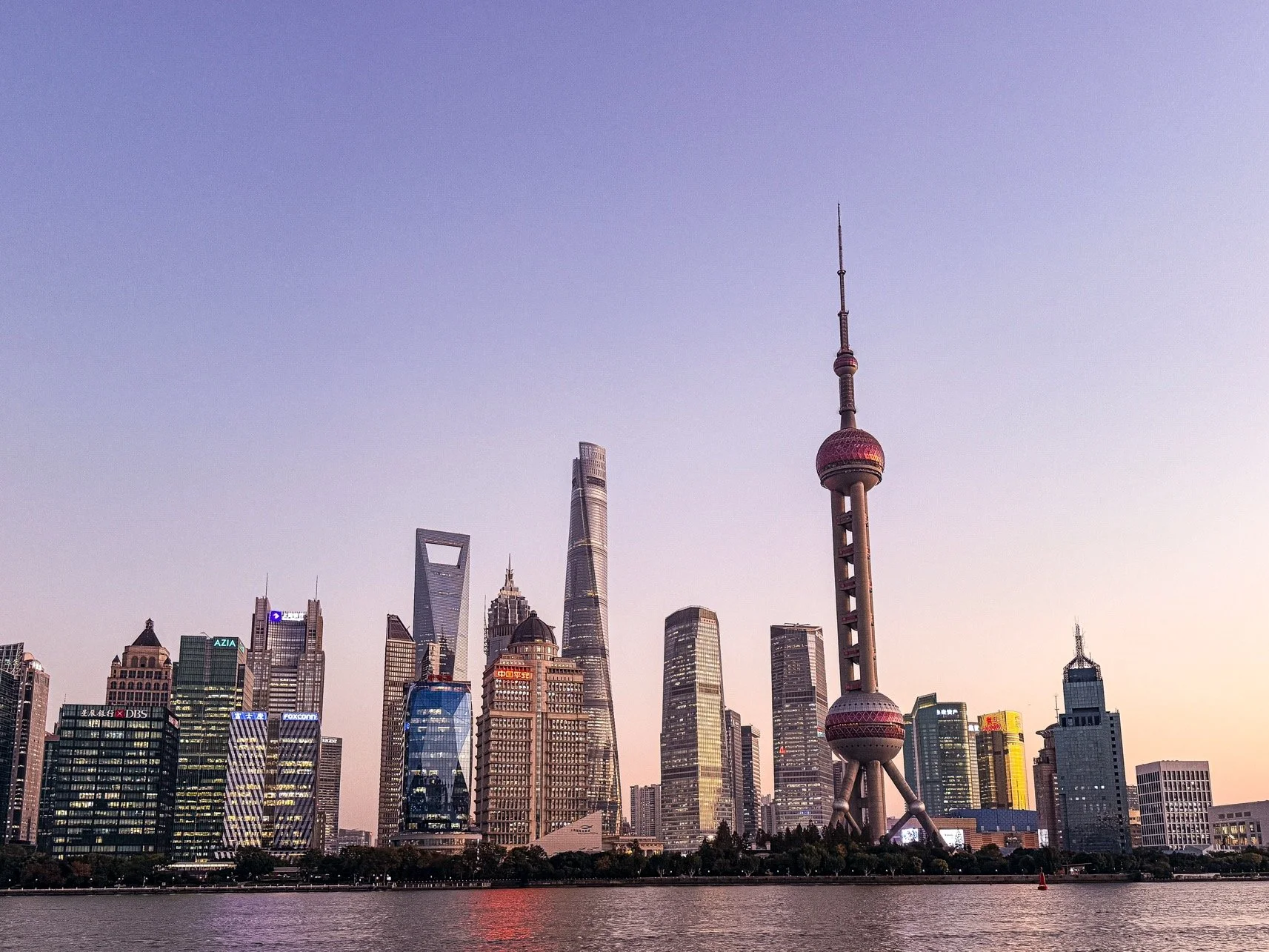
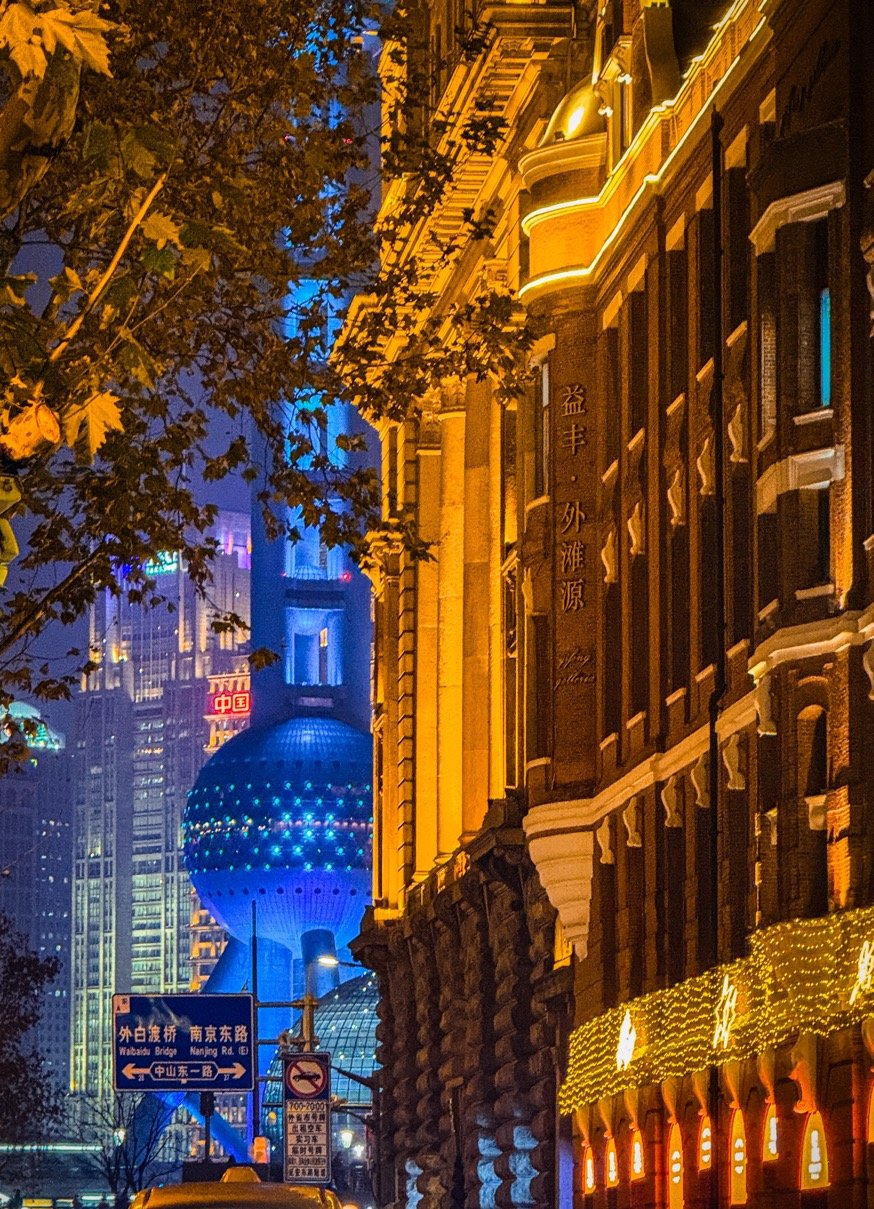
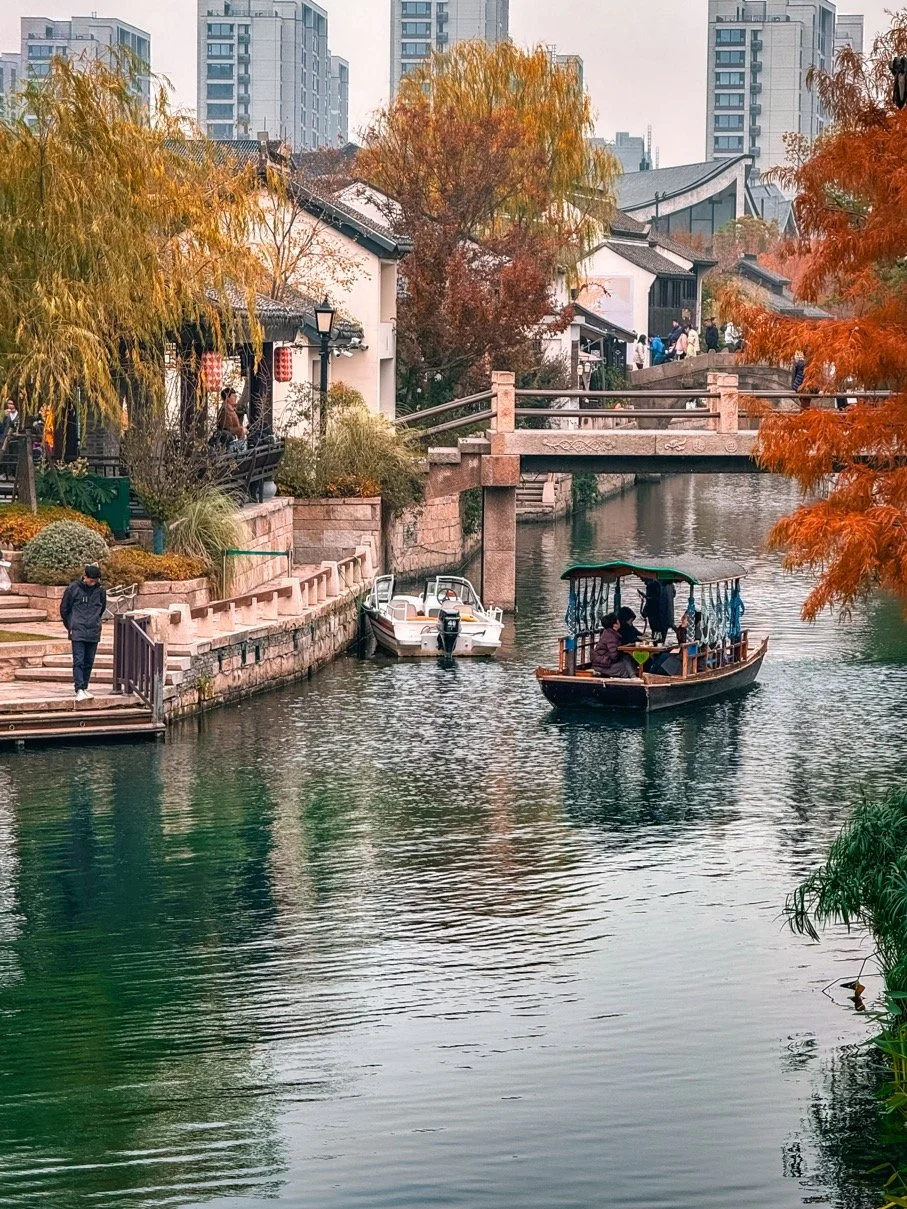
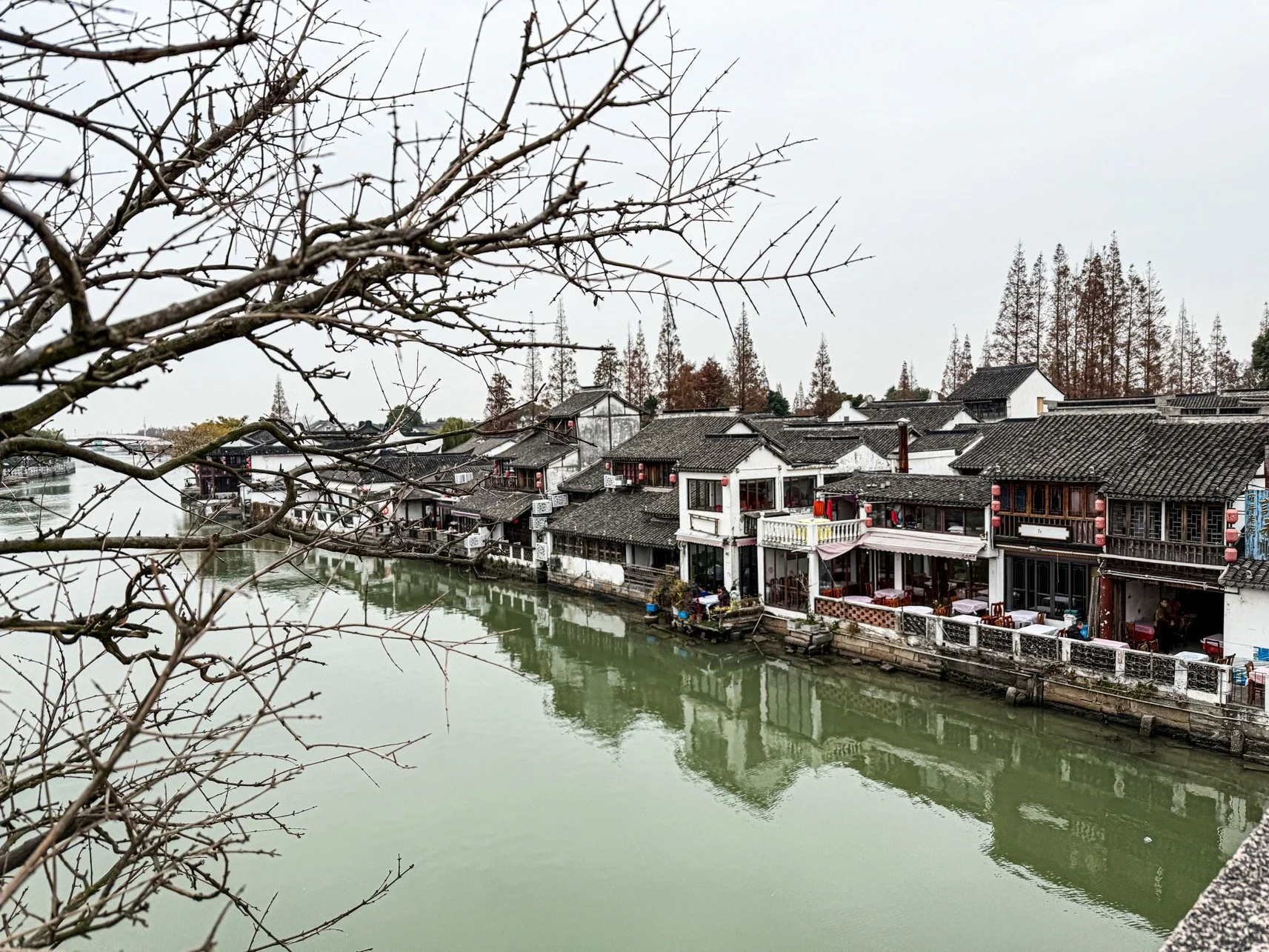
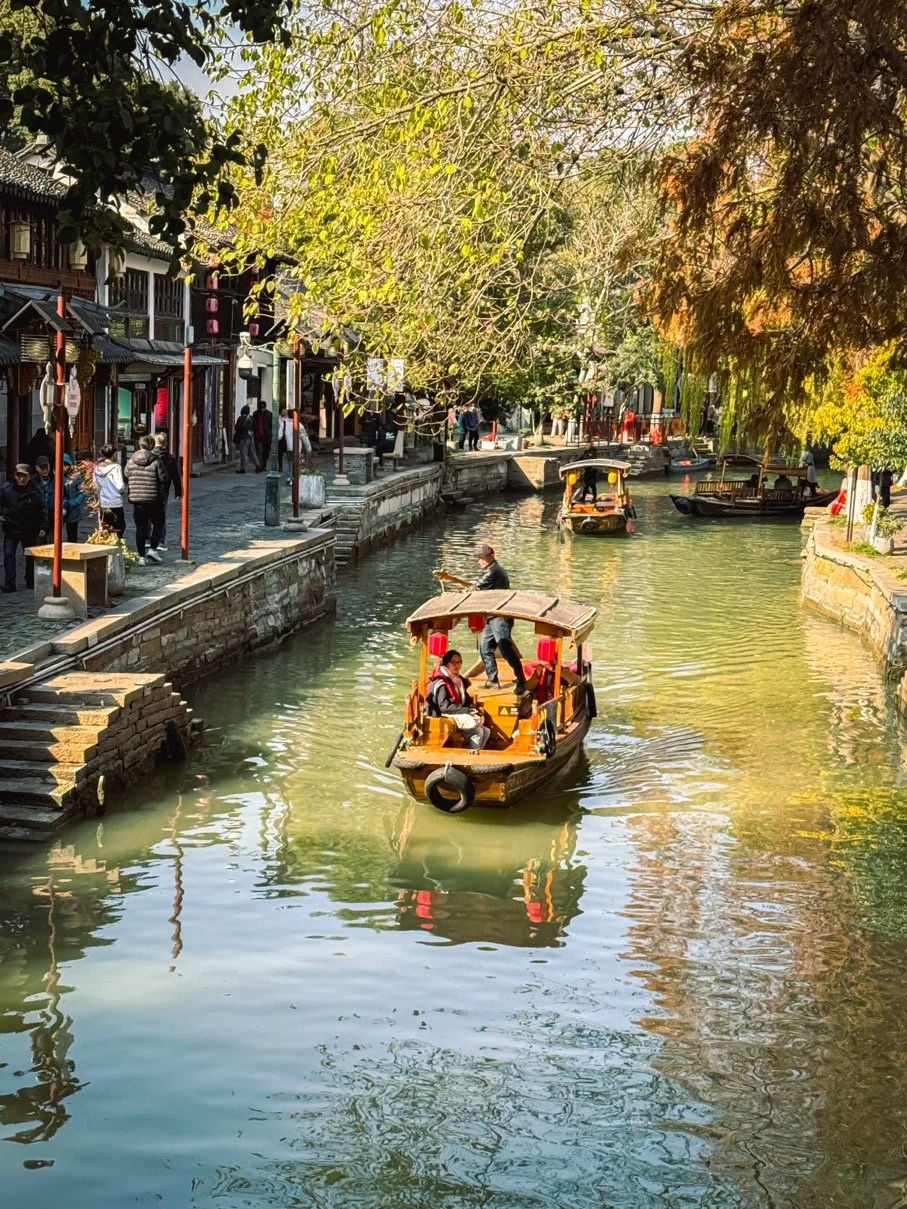
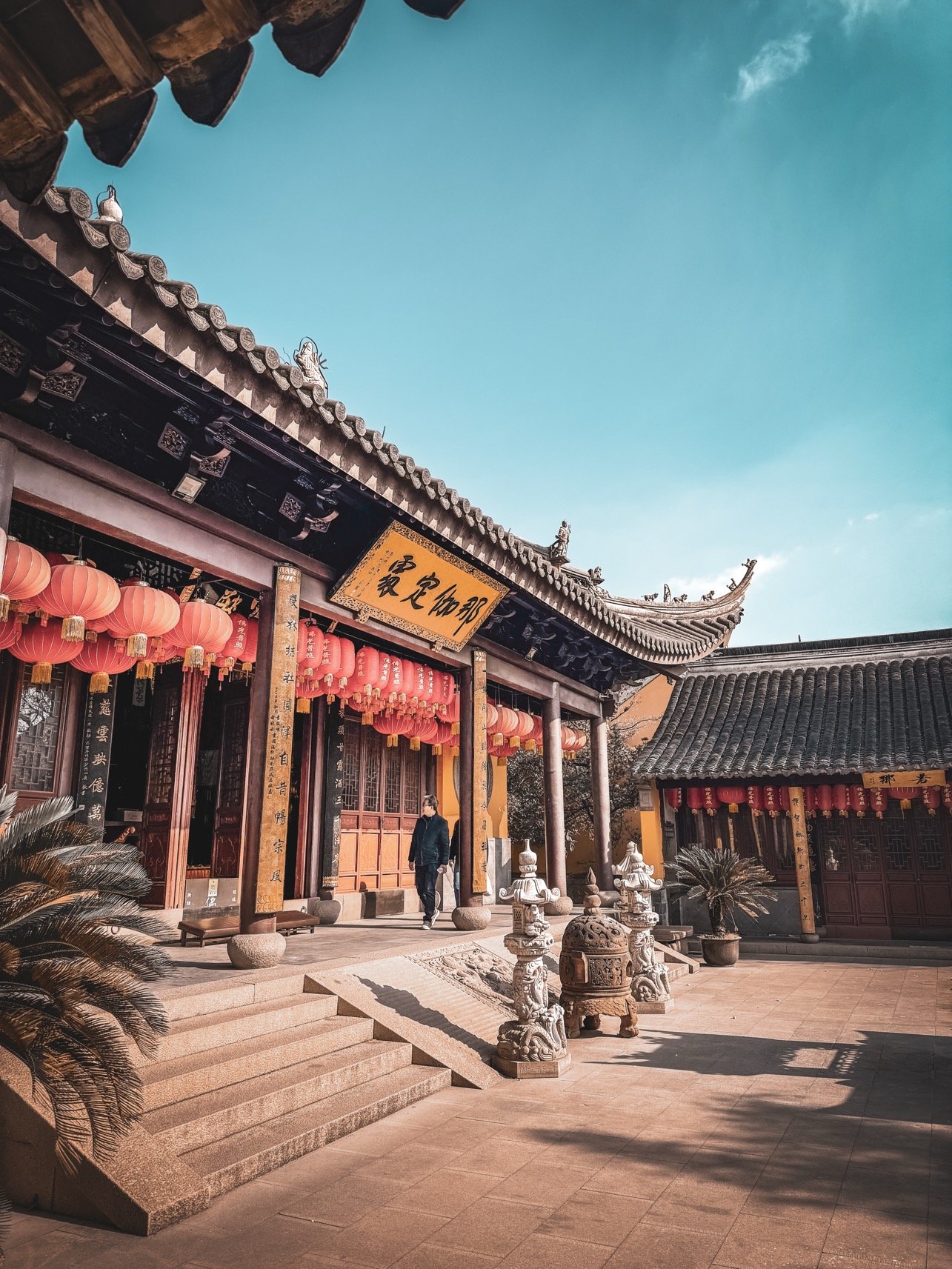
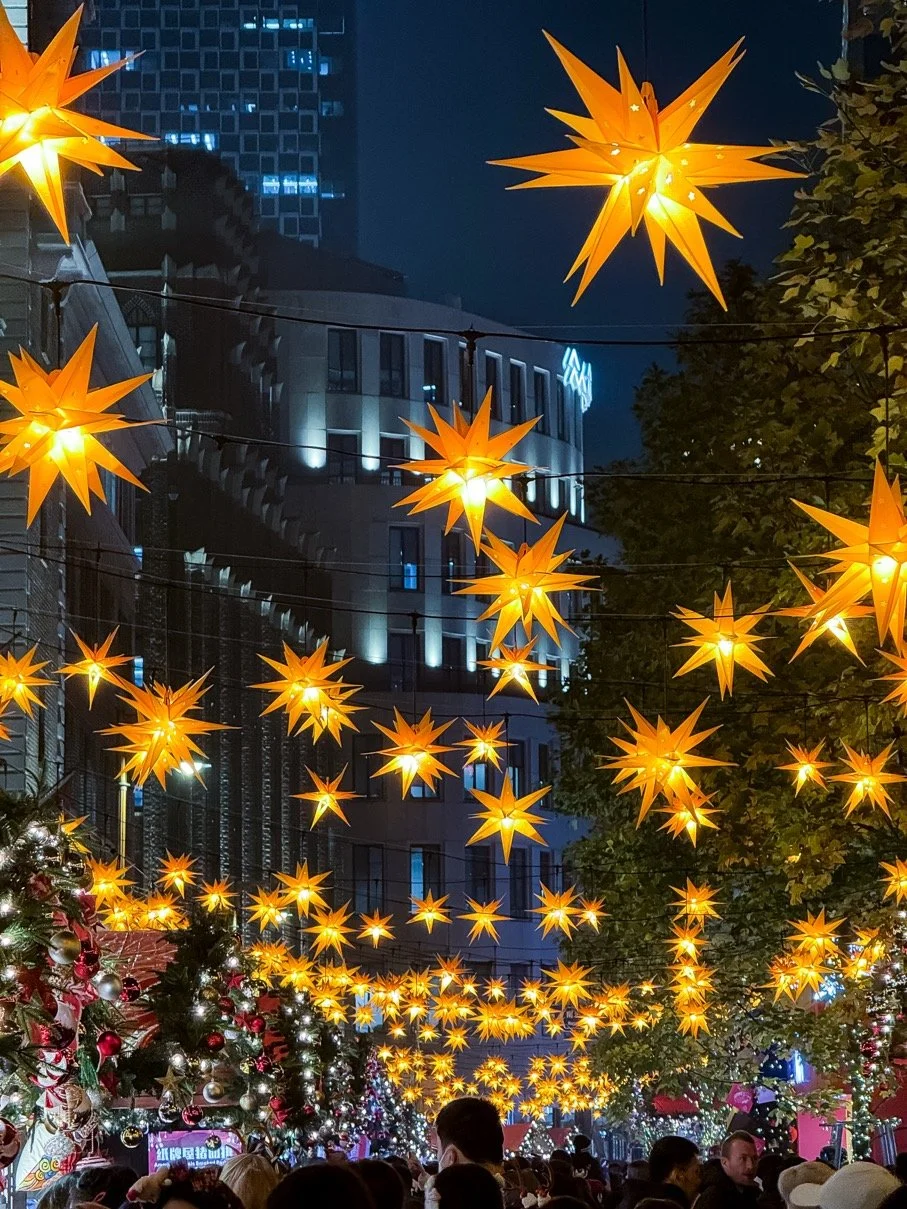
Therefore, this guide breaks it down month by month, so you can decide when Shanghai is right for you — not just in theory, but in practice. Also featuring some of my favourite photography, taken month on month in Shanghai and nearby.
January
Cold and humid, quieter, and occasionally affected by the early Chinese New Year
Weather: Cold and damp (0–10°C)
Public holiday:
2026: Jan 1 – Jan 3
2027: Jan 1 – Jan 3
In some years, Chinese New Year falls in late January, which significantly changes the rhythm of the city.
When that happens:
Many locals leave Shanghai
Some independent restaurants and shops close temporarily
Tourist areas feel less crowded, but require more planning
This is a slower, more local version of Shanghai, and it’s the coldest month, together with February.
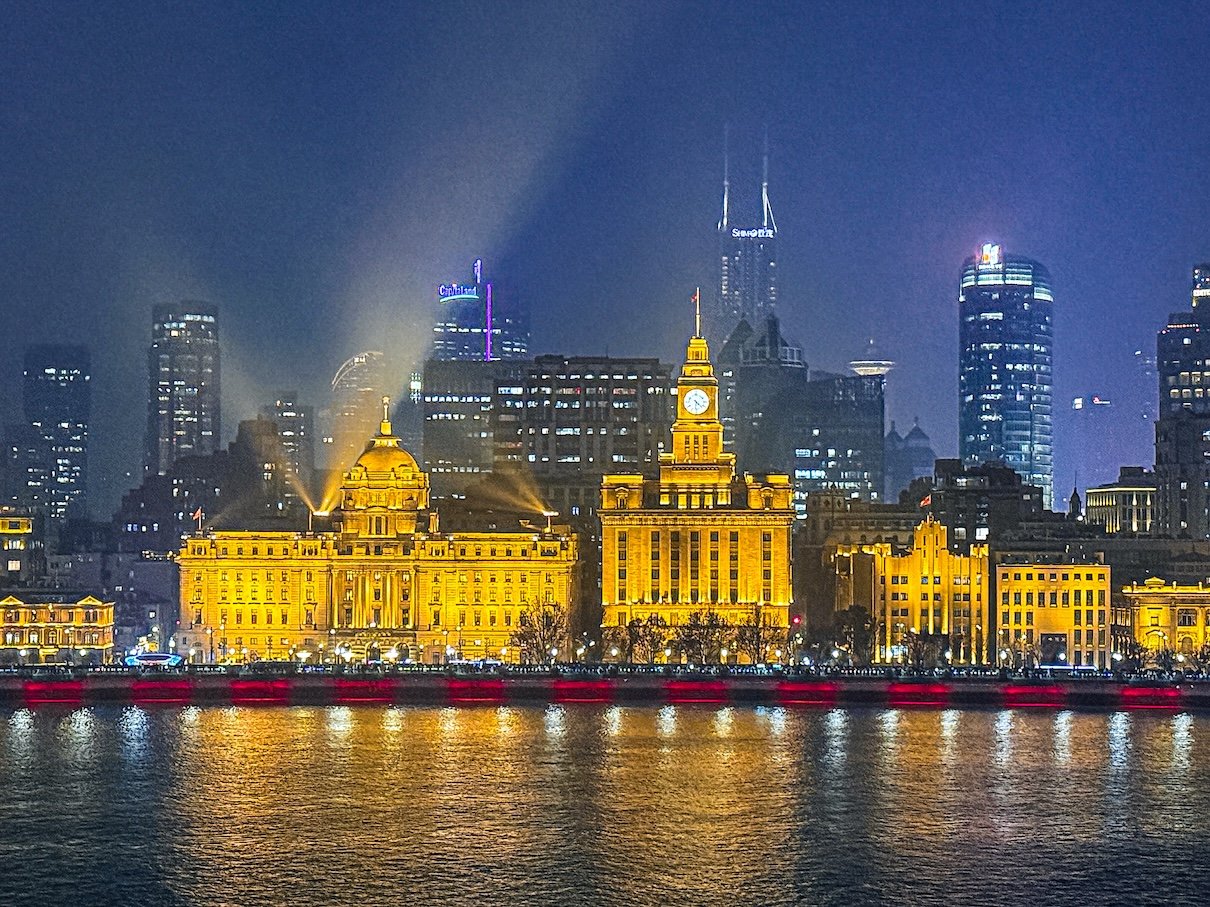
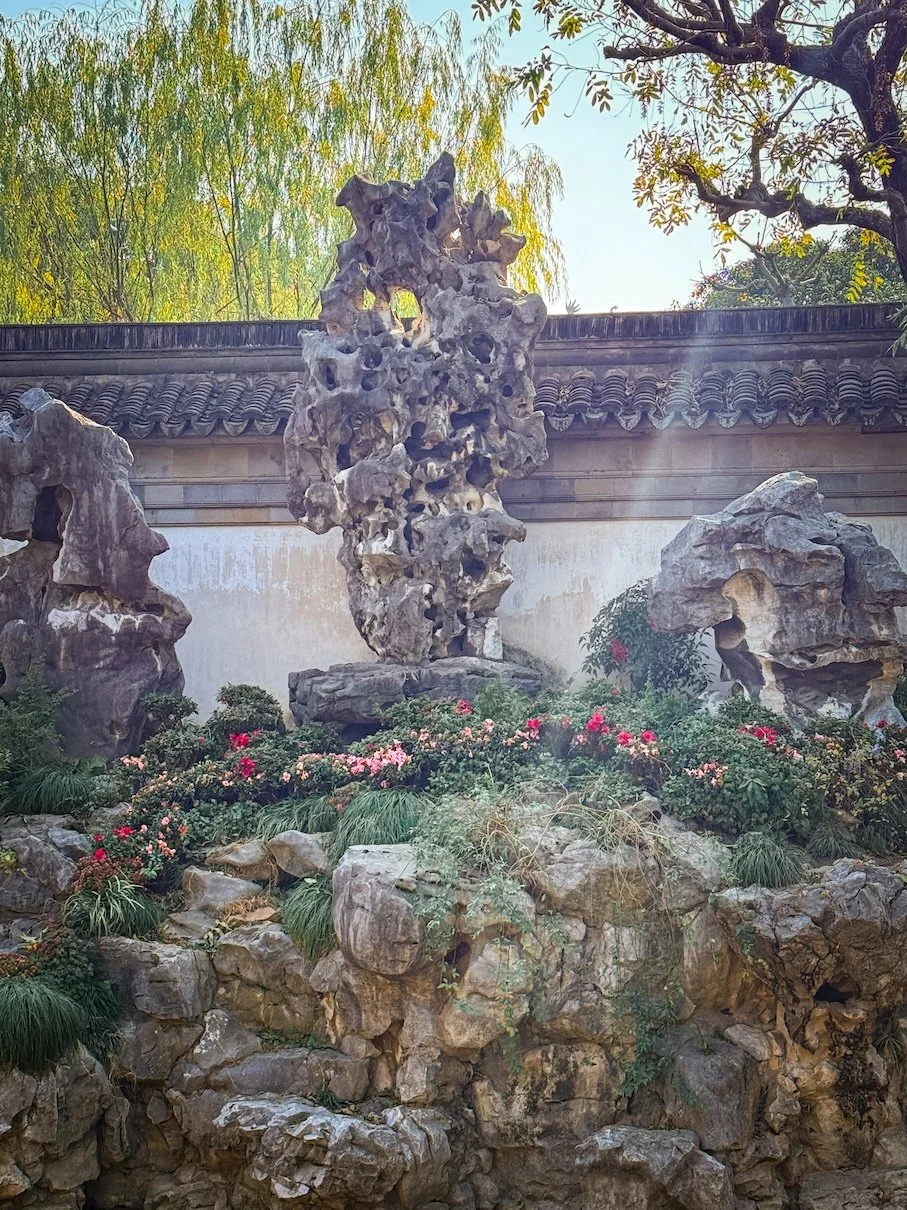
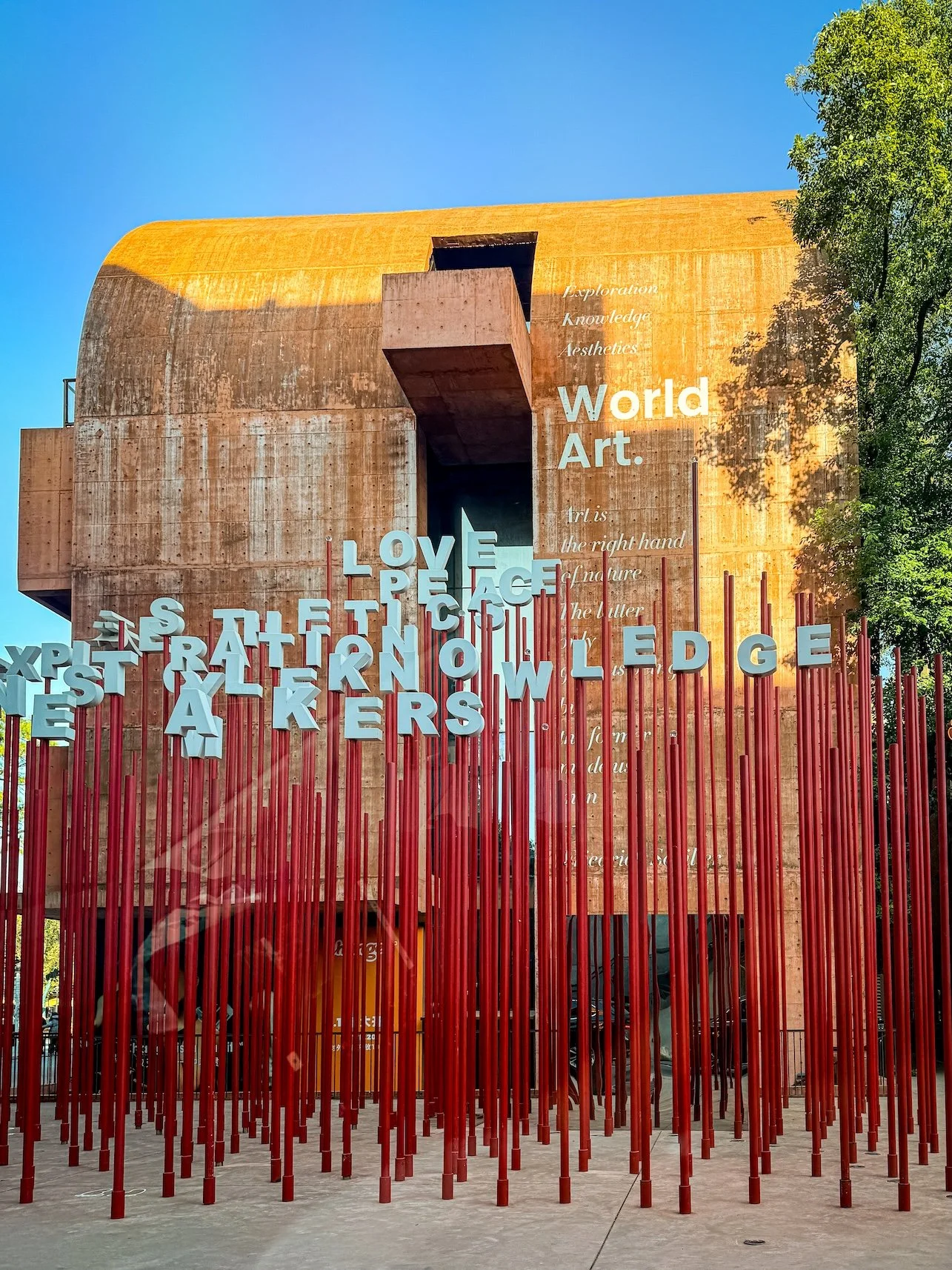
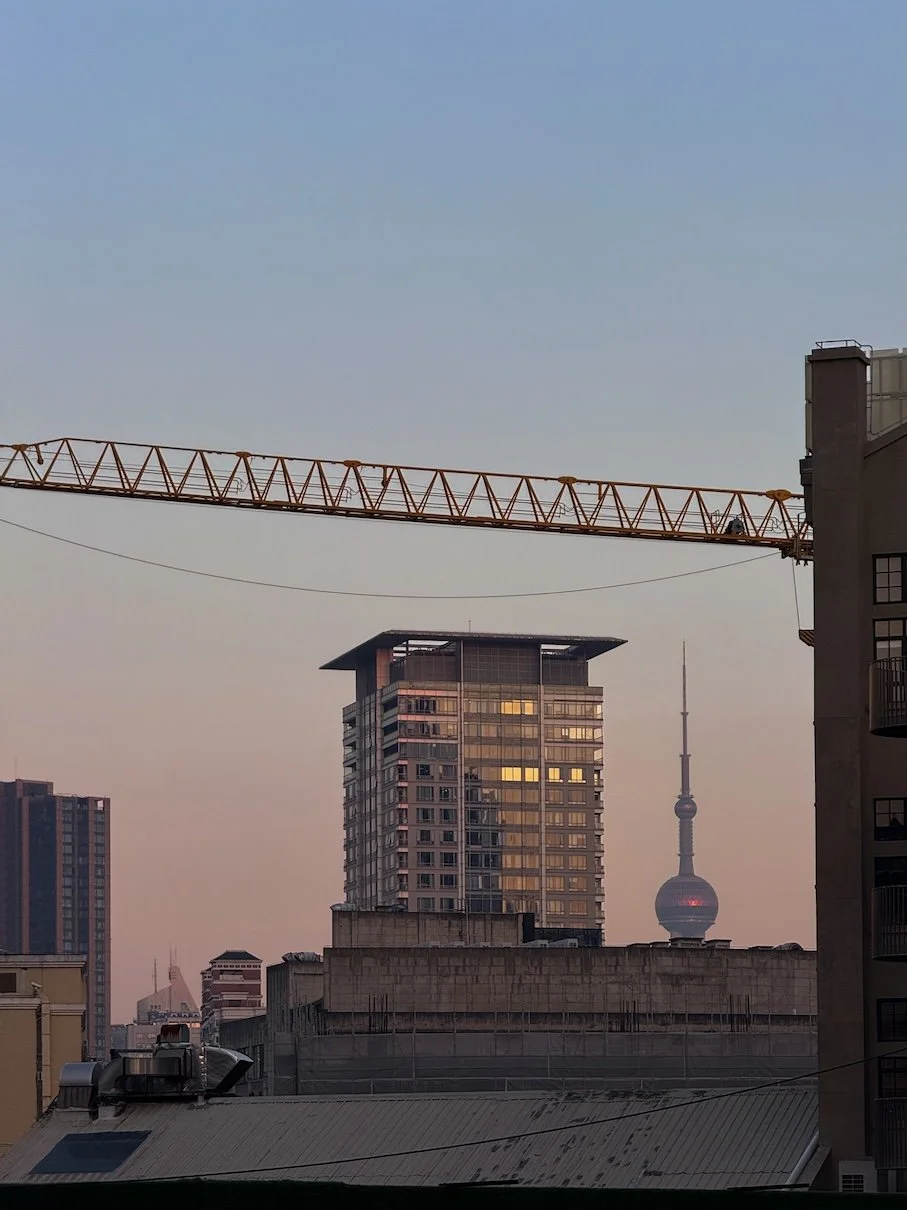
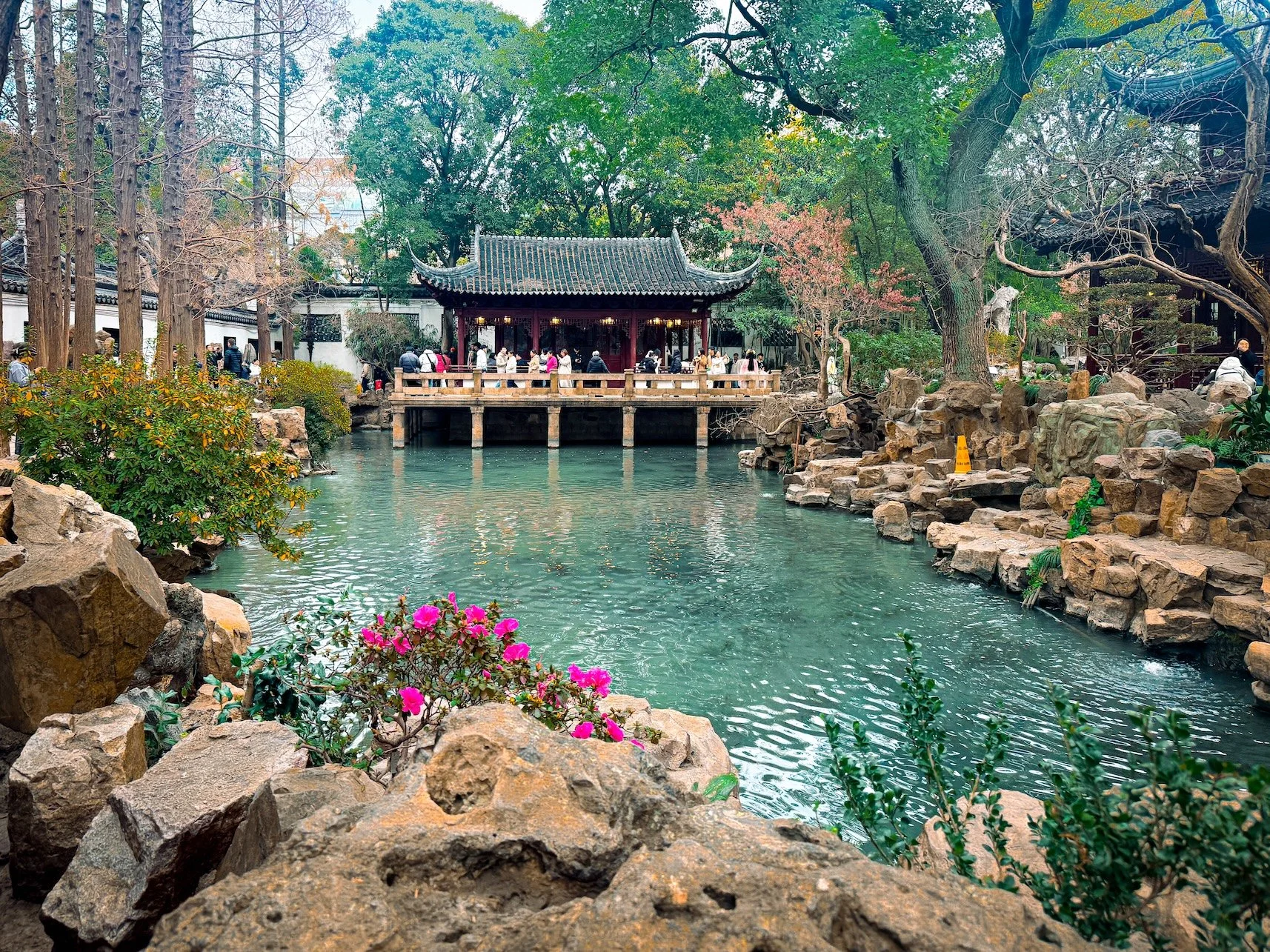
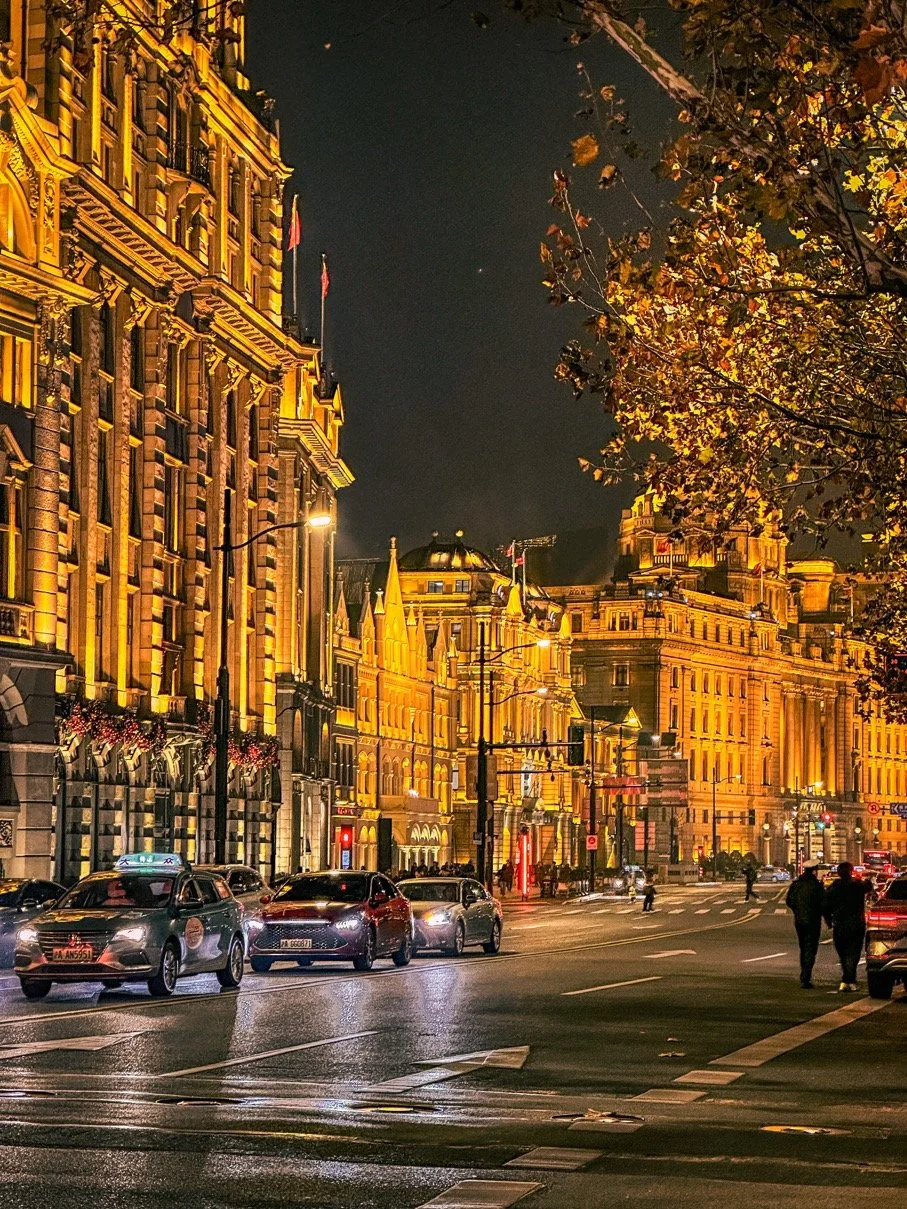
February
Defined by the Chinese New Year (Spring Festival)
2026: Feb 15 – Feb 23
2027: Feb 4 – Feb 12
This is the most important holiday in China and triggers the largest annual human migration in the world.
What it means for visitors:
Transport before and after the holiday can be extremely busy
Service surcharge (private transportation is 30% more in this period)
Some businesses close during the first few days
The city itself can feel quieter, especially in residential areas
This is not the most convenient time to visit — but it can be one of the most culturally interesting, also very cold.
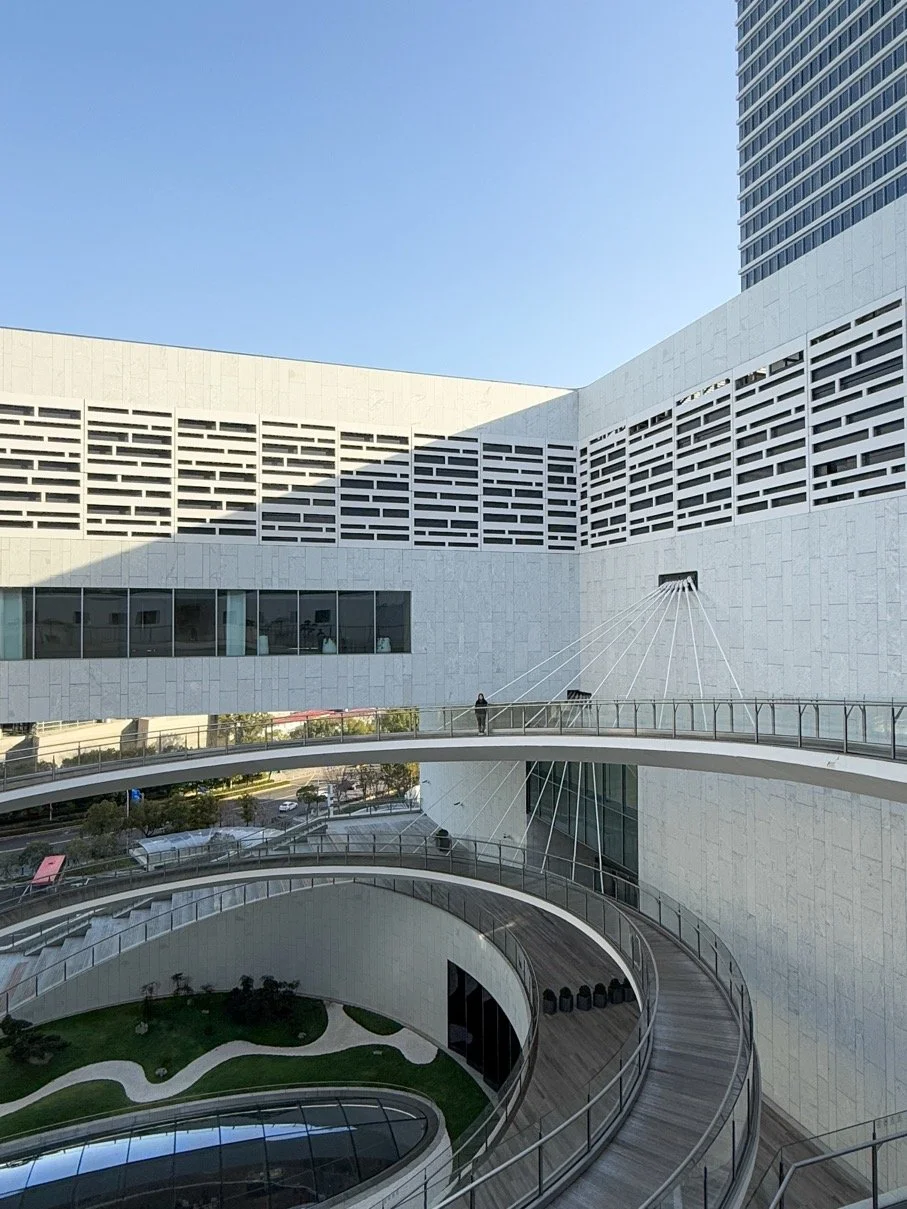

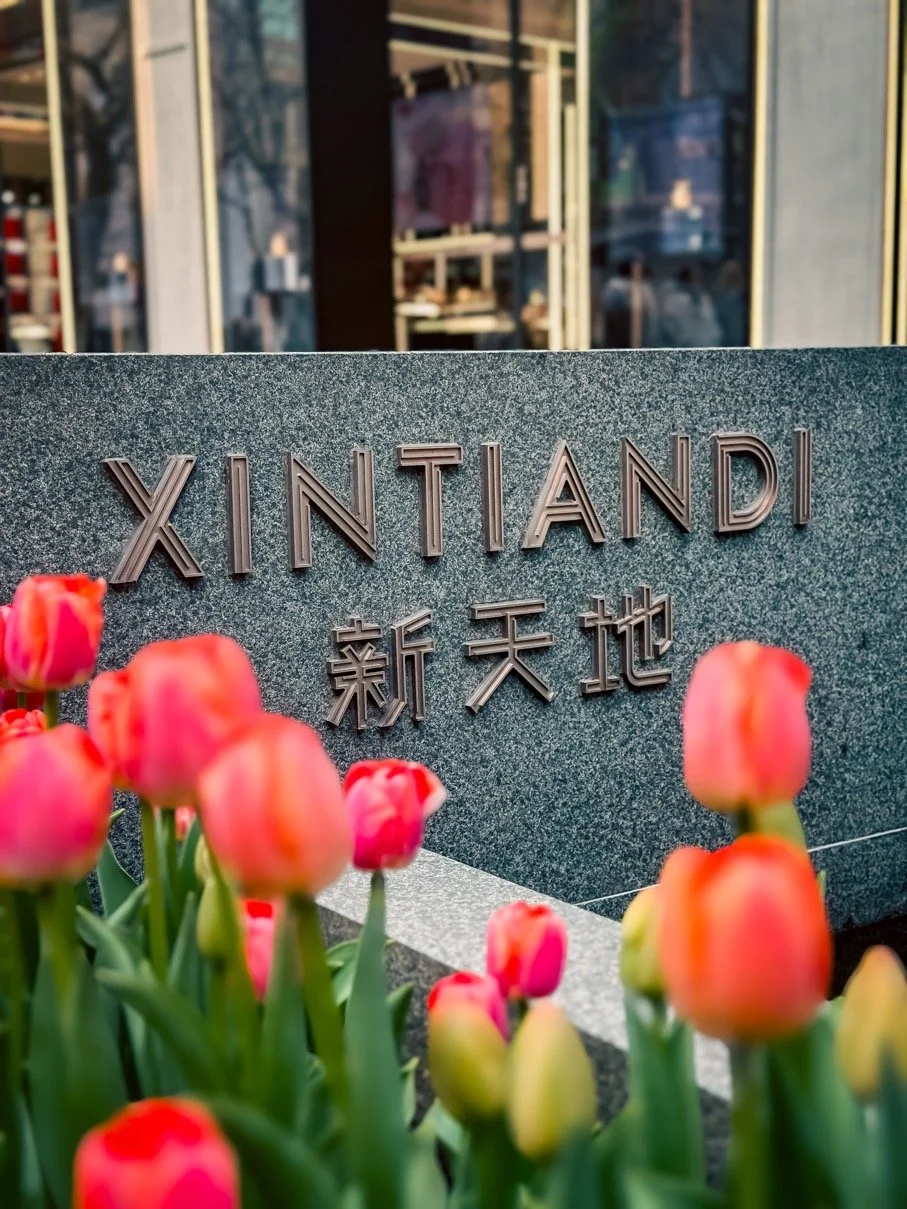
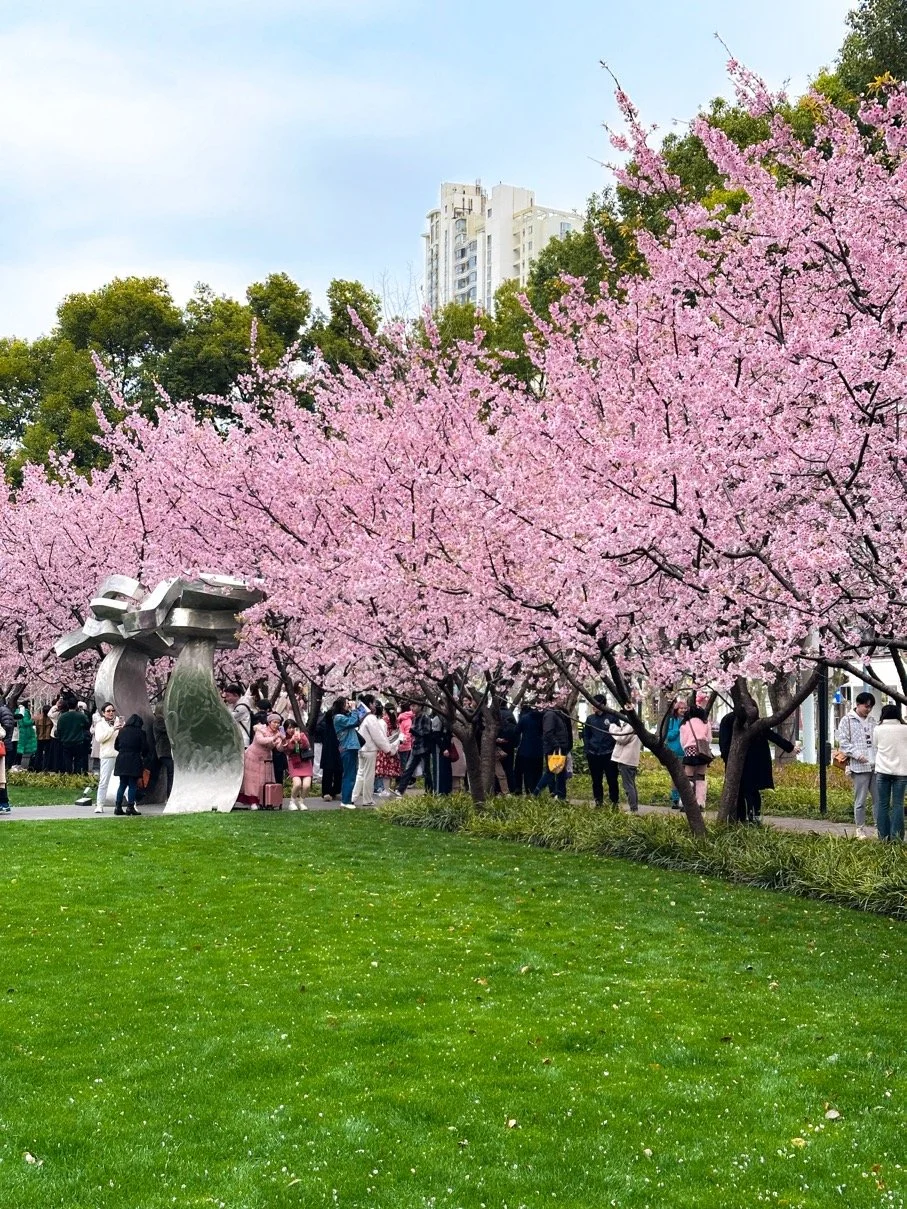
March
The start of the travel season
Weather improves, cooler but comfortable
International visitors begin to return
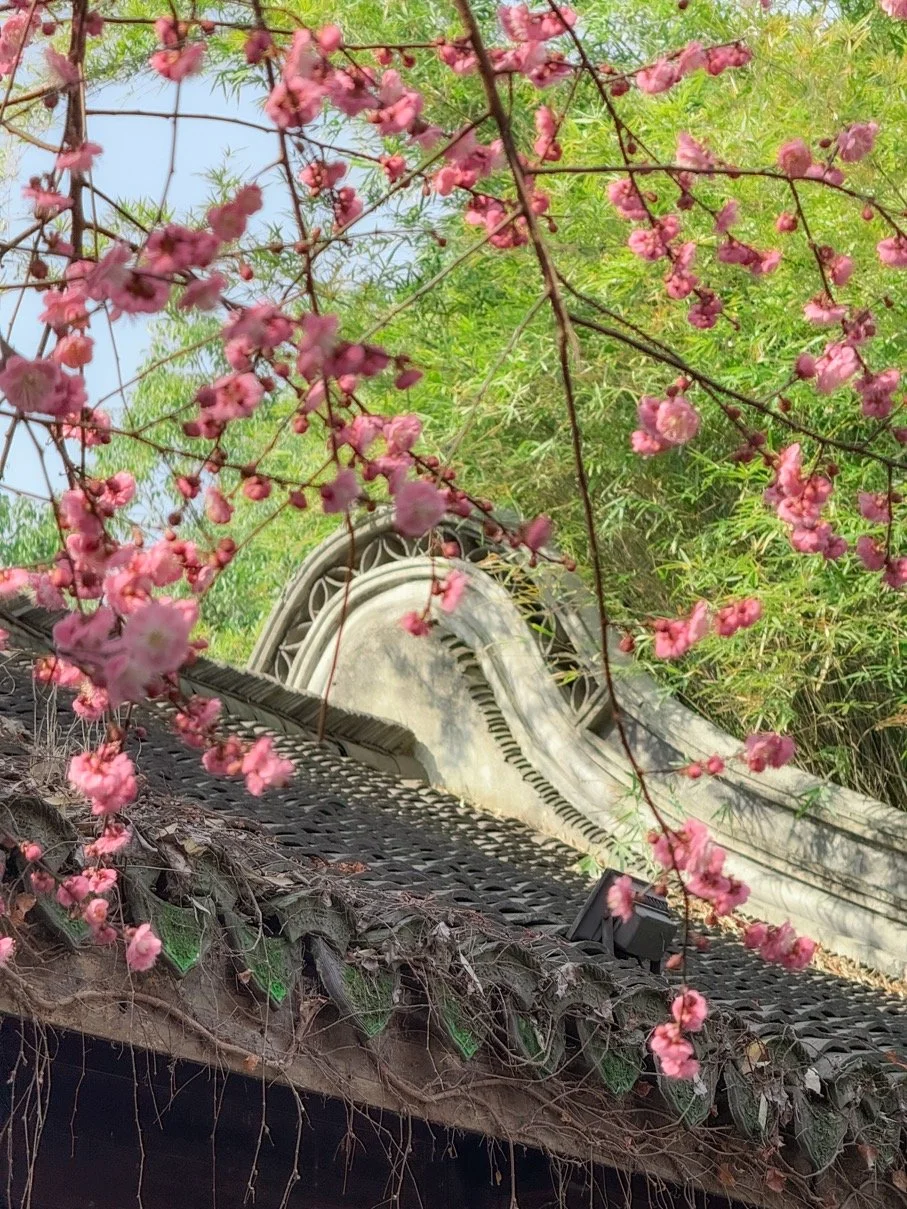
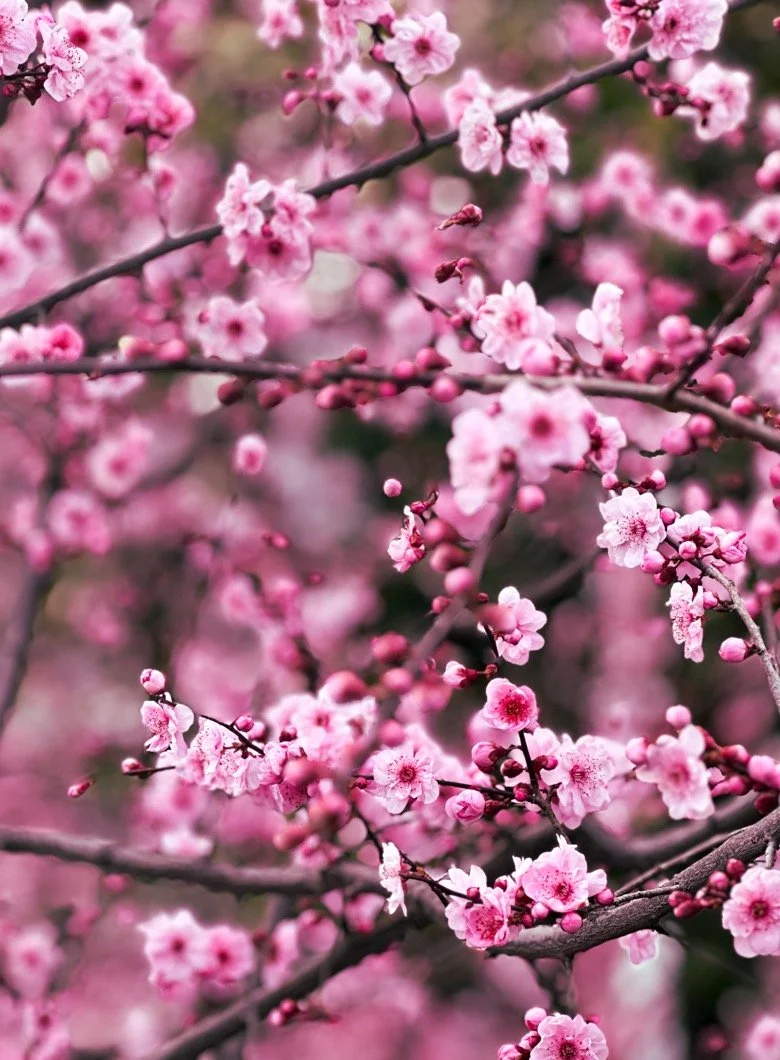
Cherry blossom seasons
Shanghai becomes walkable again. This is when the city starts to feel open and accessible after winter.
Early exhibitions and business events also begin to pick up.
April
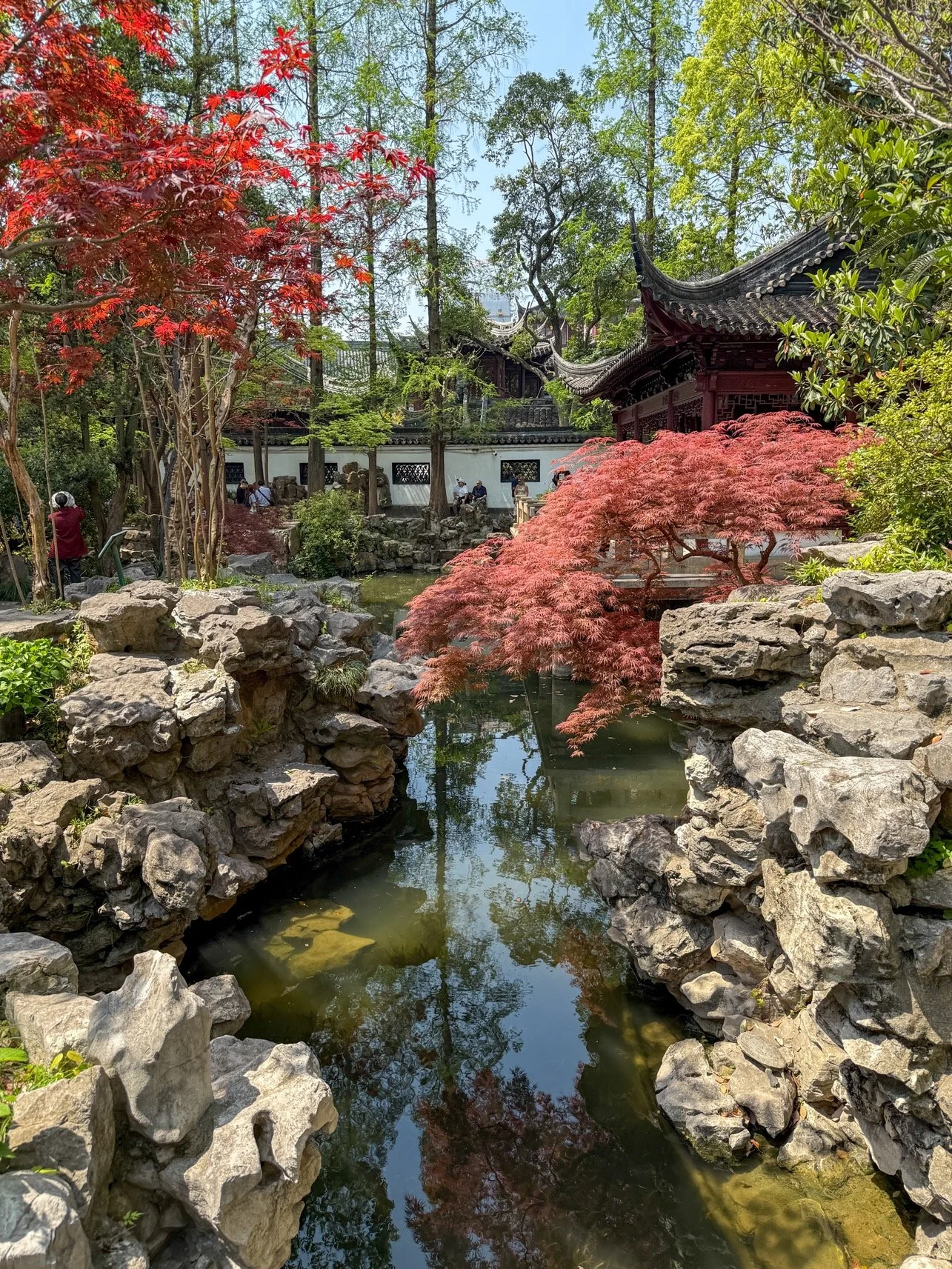
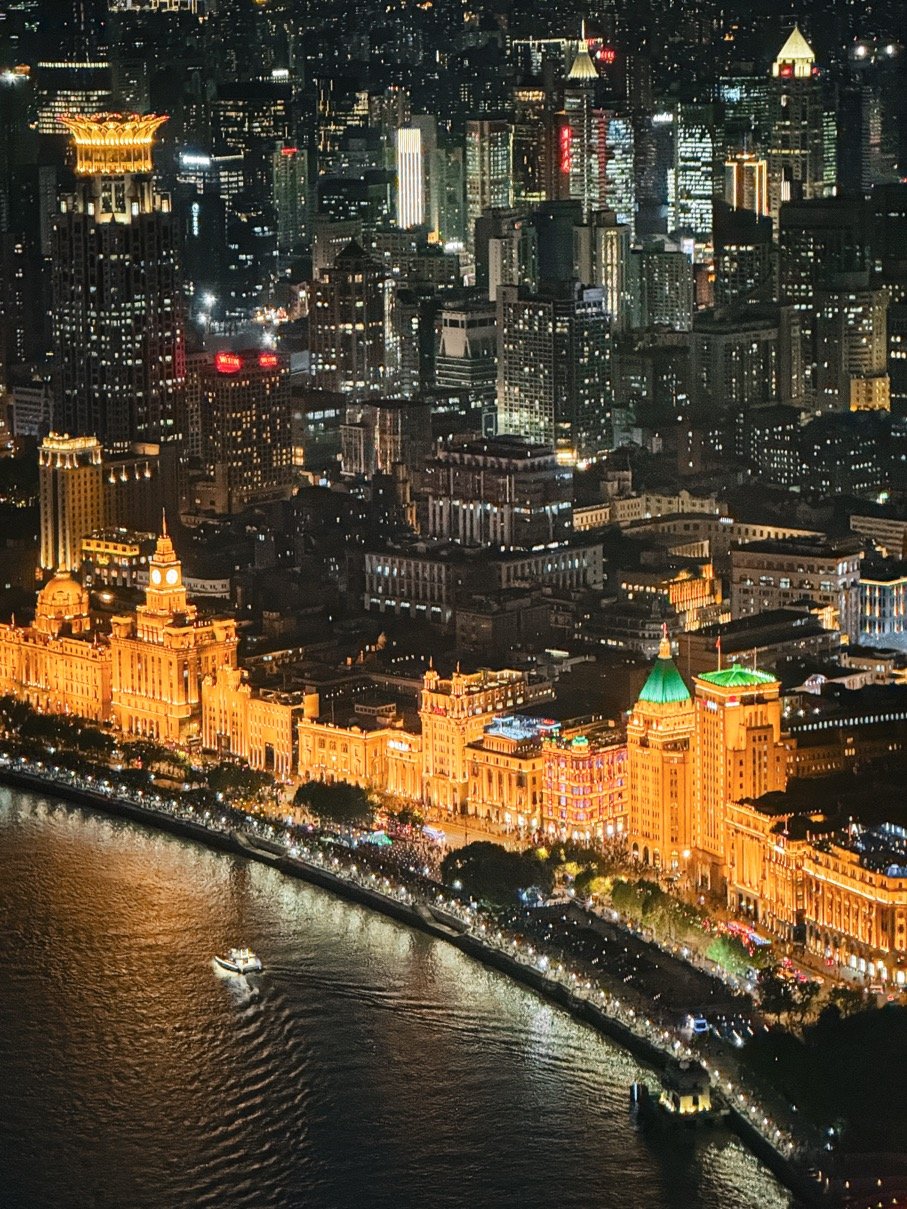
One of the best months to visit
Mild, comfortable weather
High international demand (spring break, Easter)
Public holiday: Qingming Festival
2026: Apr 4 – Apr 6
2027: Apr 3 – Apr 5
Short bursts of domestic travel occur during Qingming, but they are manageable.
Major event:
Formula 1 Chinese Grand Prix (typically March or April)
April offers one of the most balanced versions of Shanghai:
Good weather
Active city life
Strong but not overwhelming tourism

May
Pleasant but shaped by Labour Day travel
Public holiday: Labour Day
2026: May 1 – May 5
2027: May 1 – May 5
This has become one of the busiest domestic travel periods in China.
During Labour Day:
Attractions and transport are crowded
Hotel prices increase
Make-up working days:
Weekend working days are often scheduled before or after this holiday to extend the break.
Outside that window, May can feel noticeably calmer and remains a good time to visit.
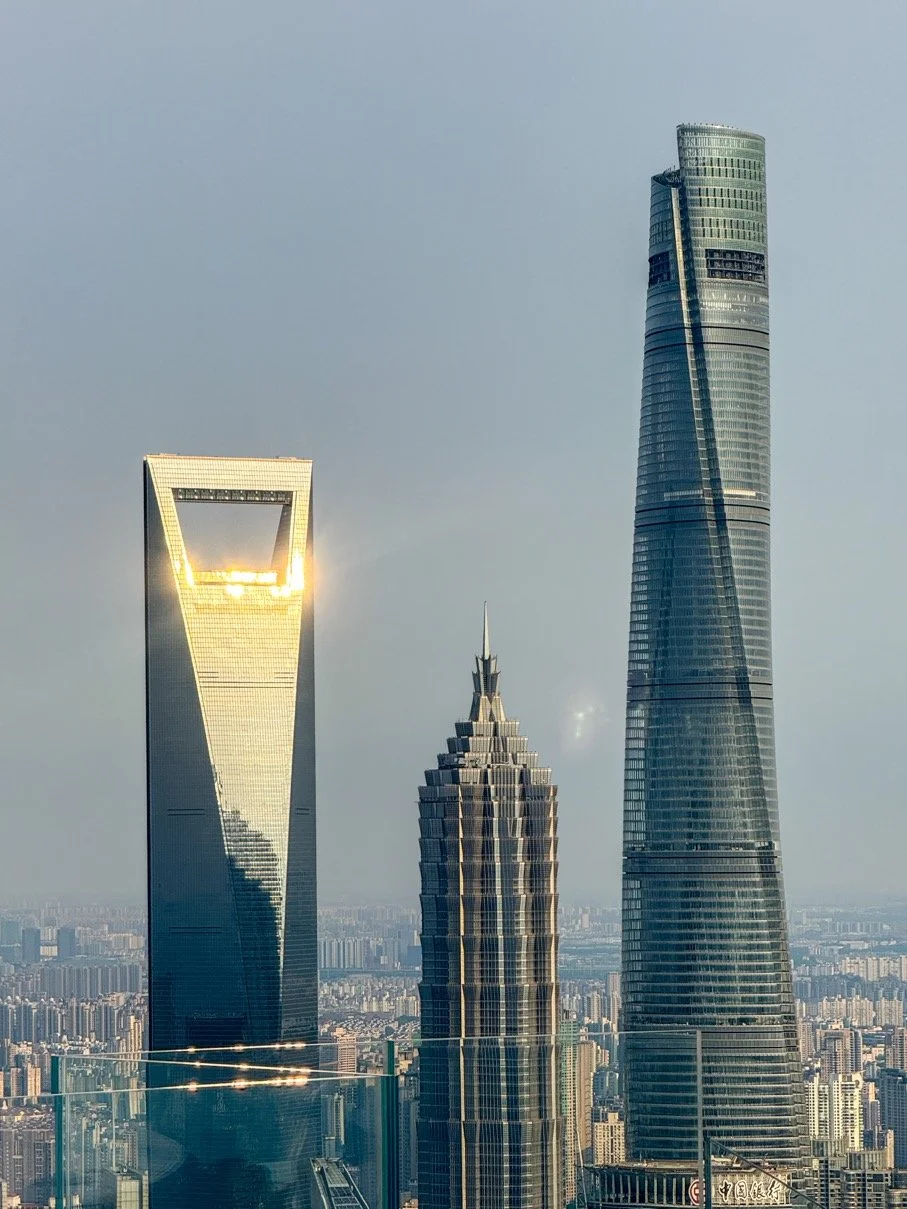
June
Busy, often underestimated, and increasingly popular with families
Warm weather, beginning of humidity and rain
Increasing travel demand
June has become a strong travel month, even though it is not traditionally labeled as “peak season.”
From my experience, this is also when I often get booked by families traveling with children who have just graduated. It’s a natural window for longer trips before summer fully sets in.
Public holiday: Dragon Boat Festival
2026: Jun 19 – Jun 21
2027: Jun 7 – Jun 9
The Dragon Boat Festival creates a shorter domestic travel spike compared to Labour Day or Golden Week, but it is still worth keeping in mind when planning hotels and transportation.
As long as travel dates fall outside the public holiday period, June tends to offer a good balance:
A lively city atmosphere
Unpredictable short burst of plum rain season (which would cool down the city a bit)
More availability compared to peak spring and autumn months
It is one of those months that are easy to overlook but often work very well in practice.
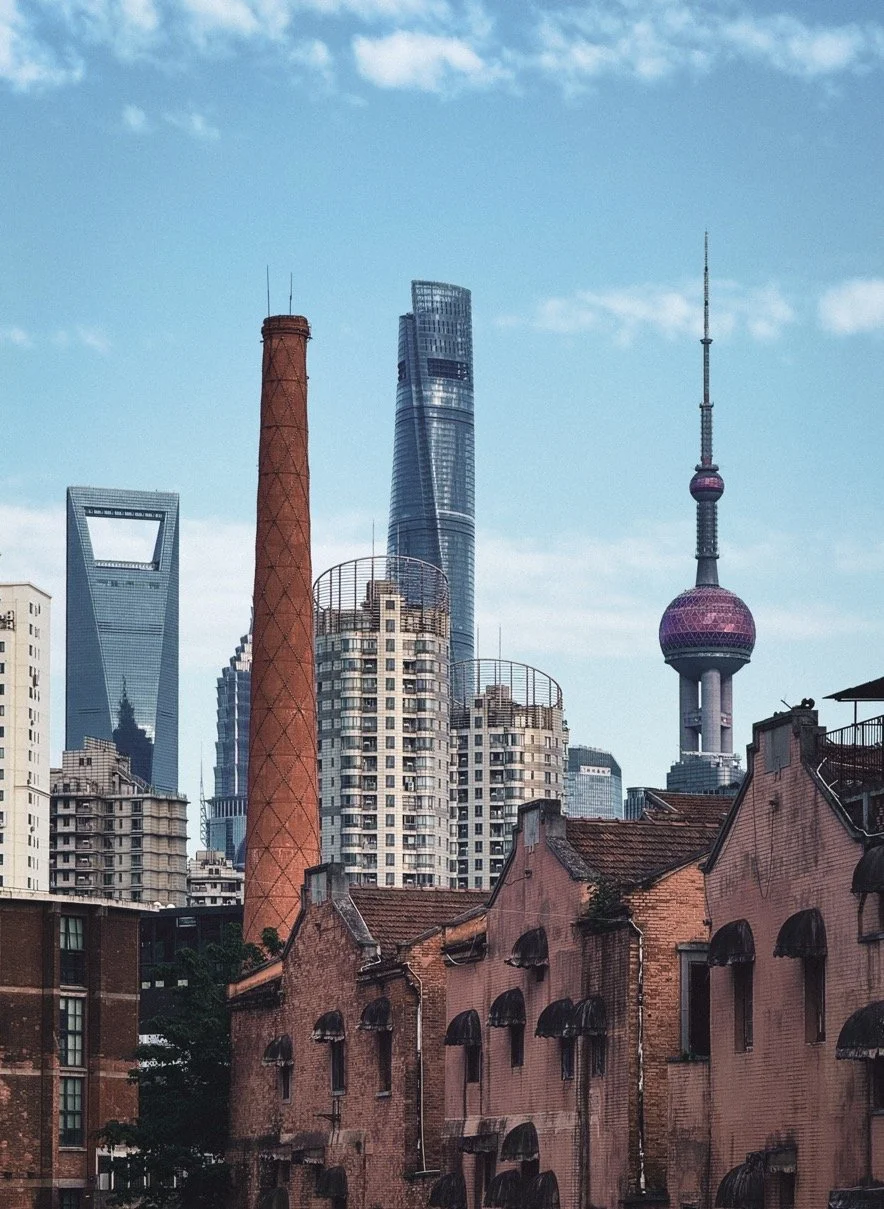
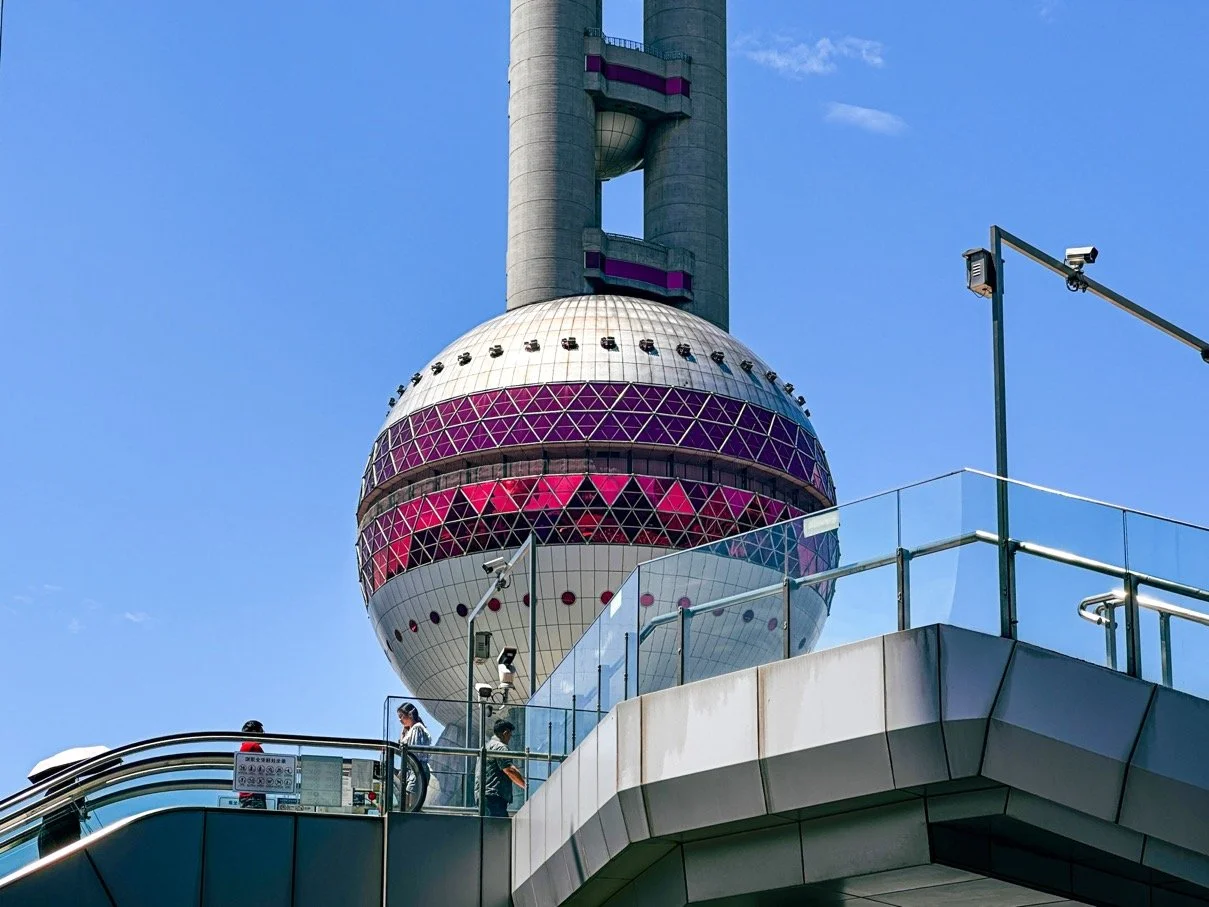
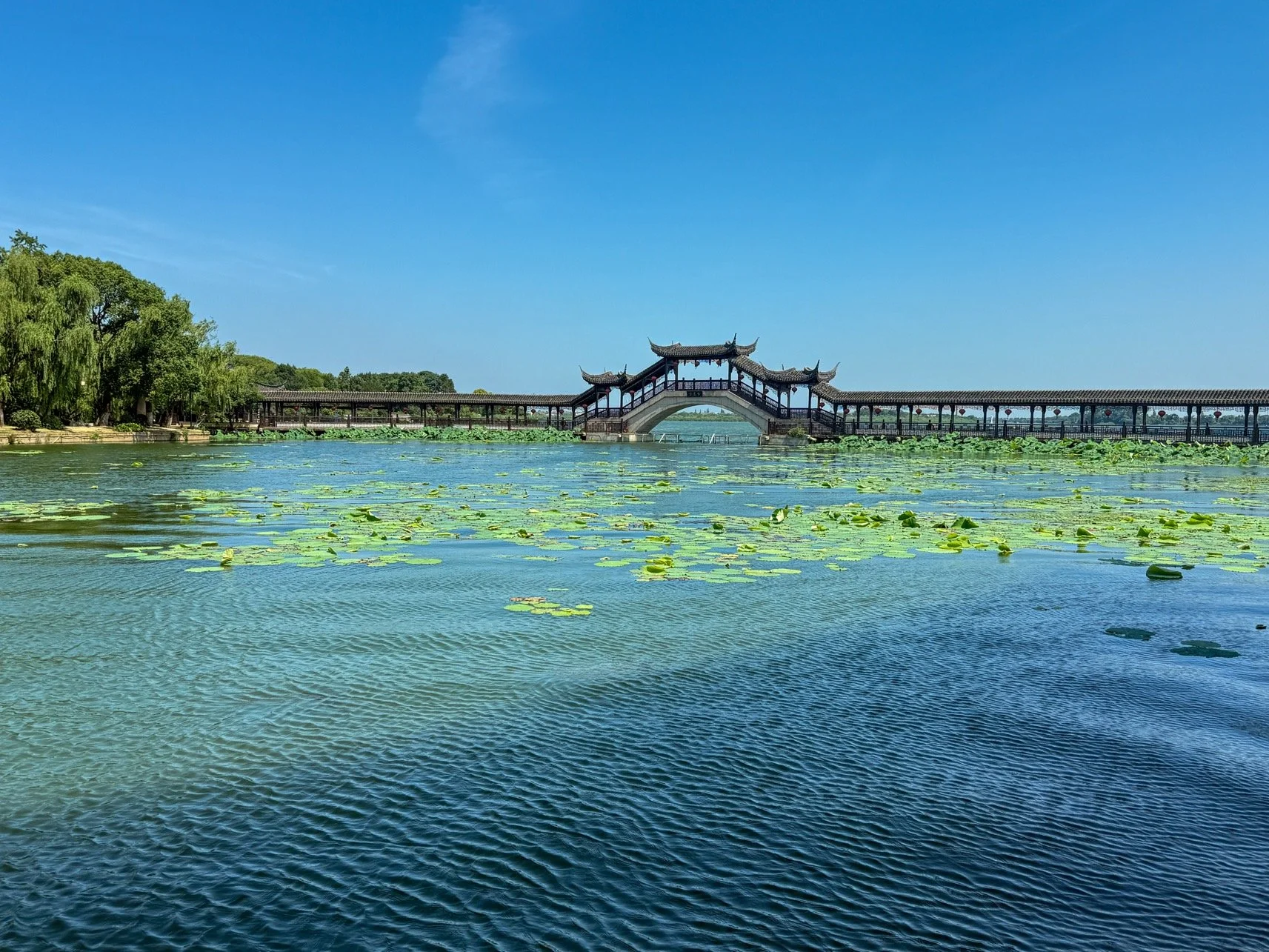
July
Hot, humid, and slower-paced
Weather: Frequently above 30°C
Outdoor exploration becomes more physically demanding.
The city shifts indoors:
Shopping malls
Cafés
Restaurants
Fewer international travelers visit during this period, although domestic family travel continues due to summer holiday.
July is also one of the slowest months I have had over the past few years.

August
Similar conditions, mixed travel value
Continued heat and humidity
August can be busy in terms of movement, but not always in terms of quality travel experience due to weather constraints as well as the local summer holiday, which means more local kids, student group tours from all directions of China.

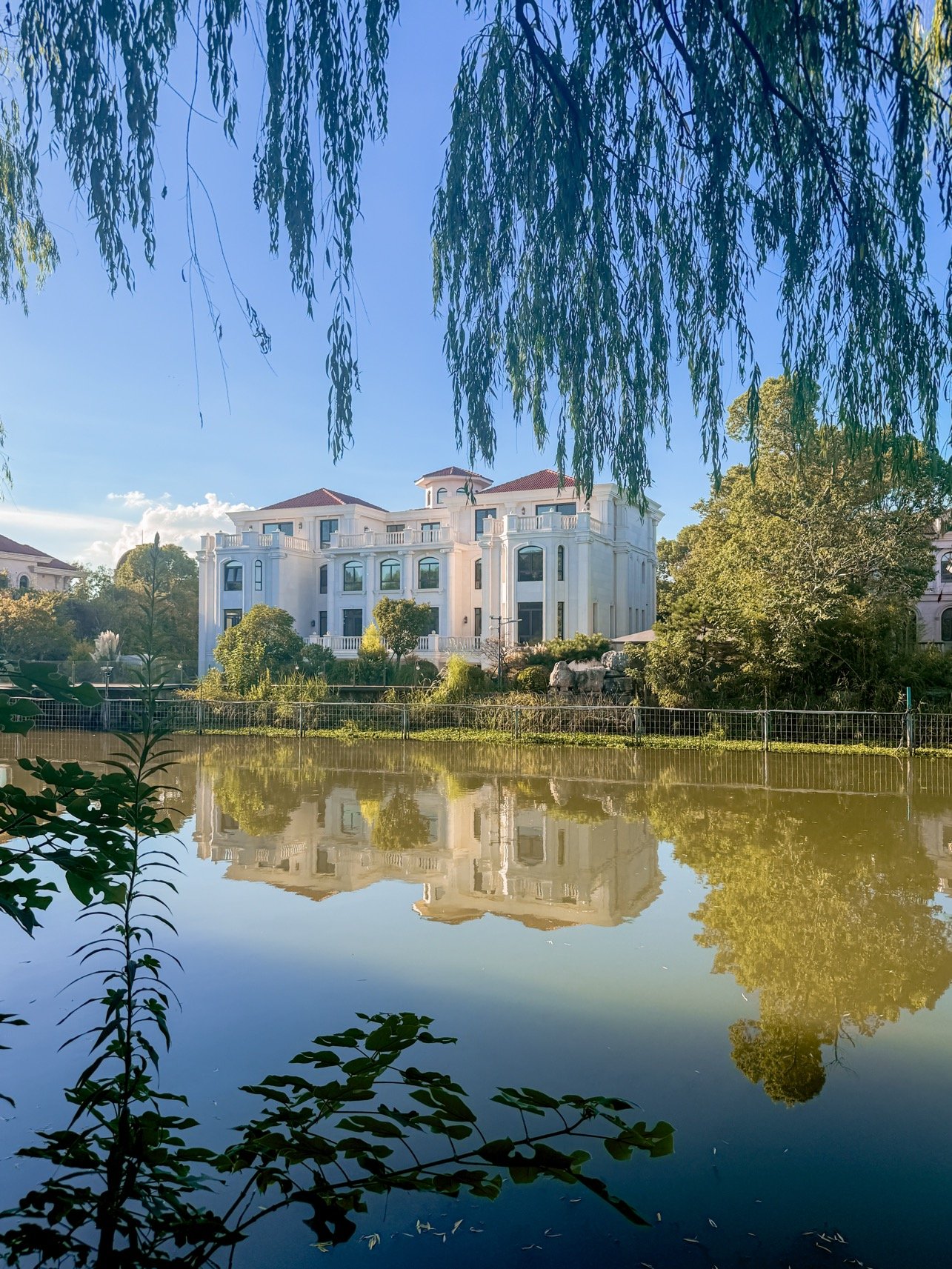
September
A return to comfort
Cooling weather
More balanced travel conditions
Public holiday: Mid-Autumn Festival
2026: Sep 25 – Sep 27
2027: Around mid-September (official schedule announced annually)
Short travel spikes occur, but they are relatively contained.
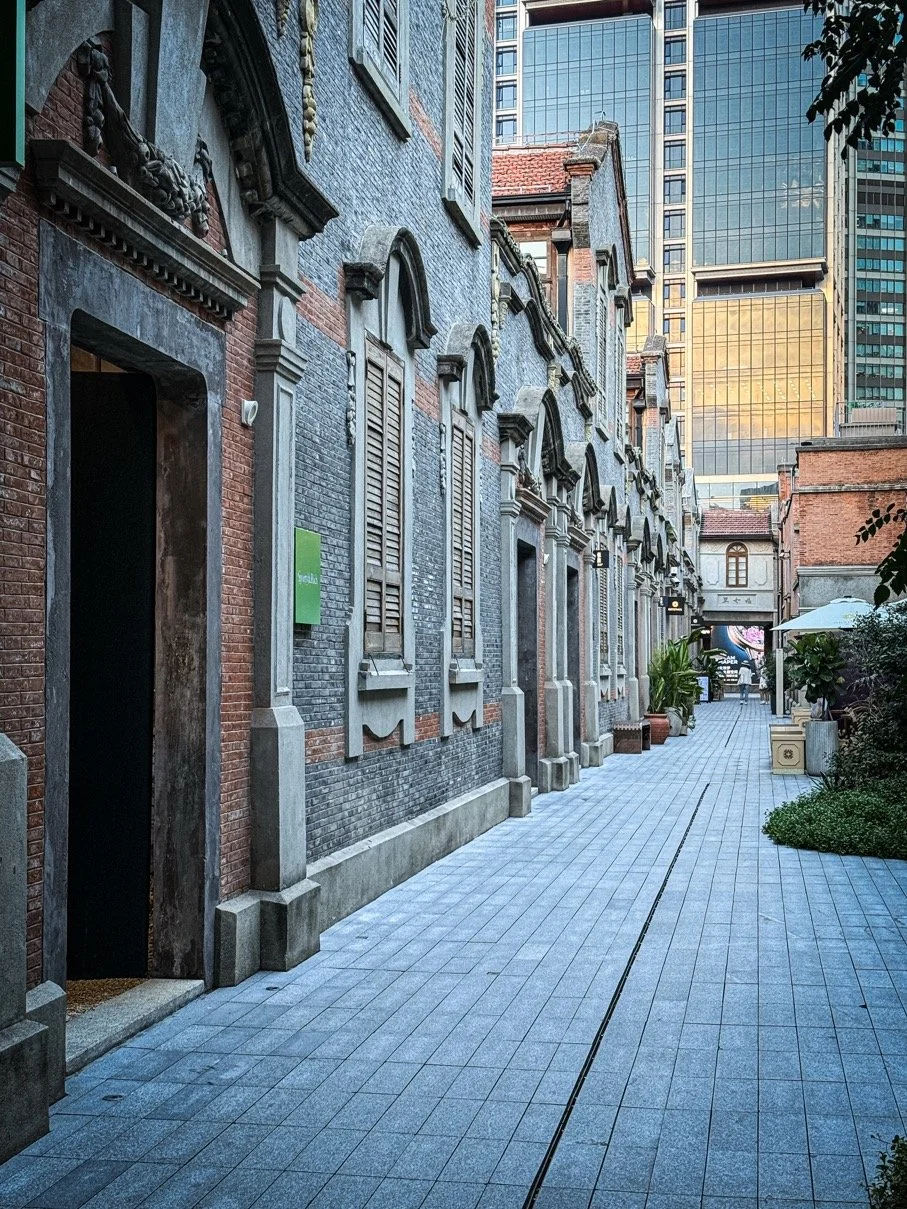
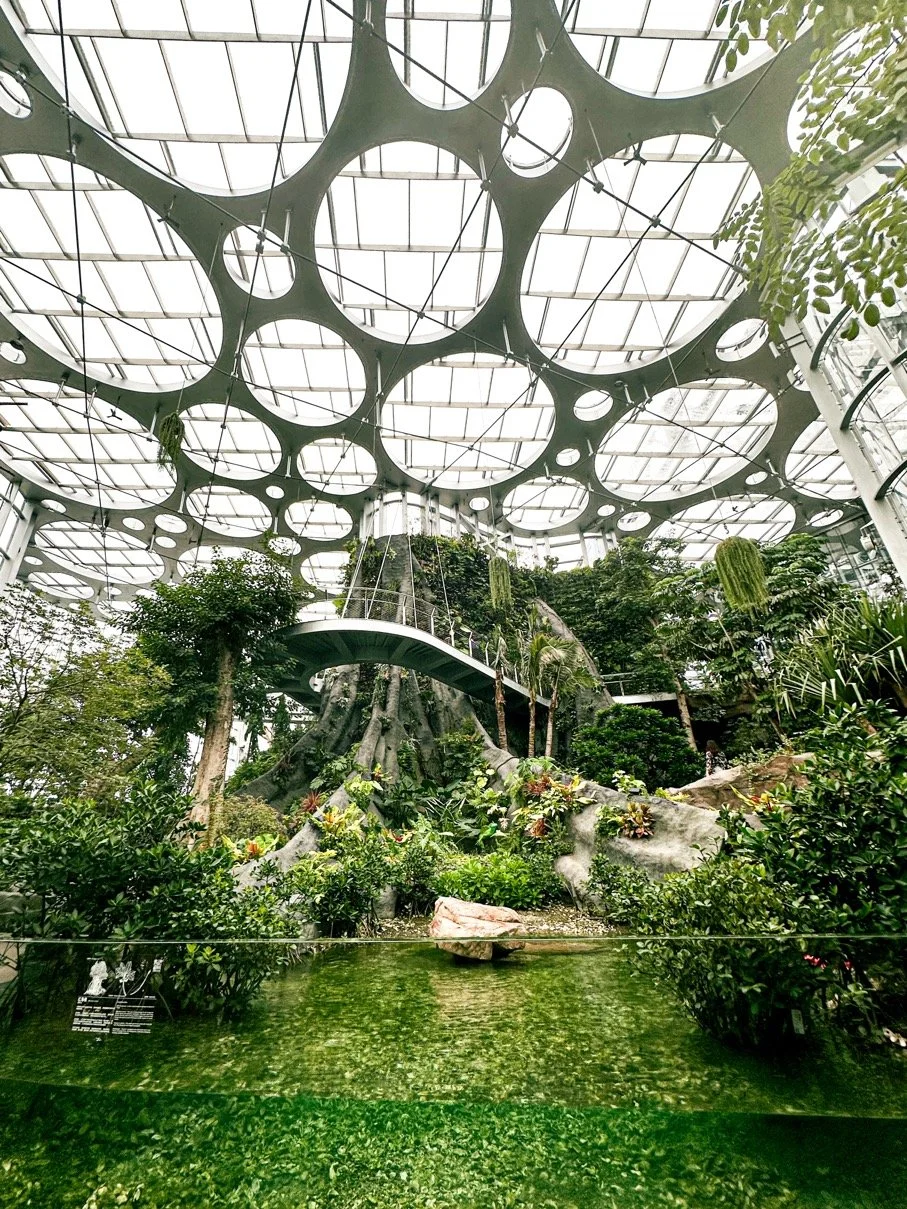
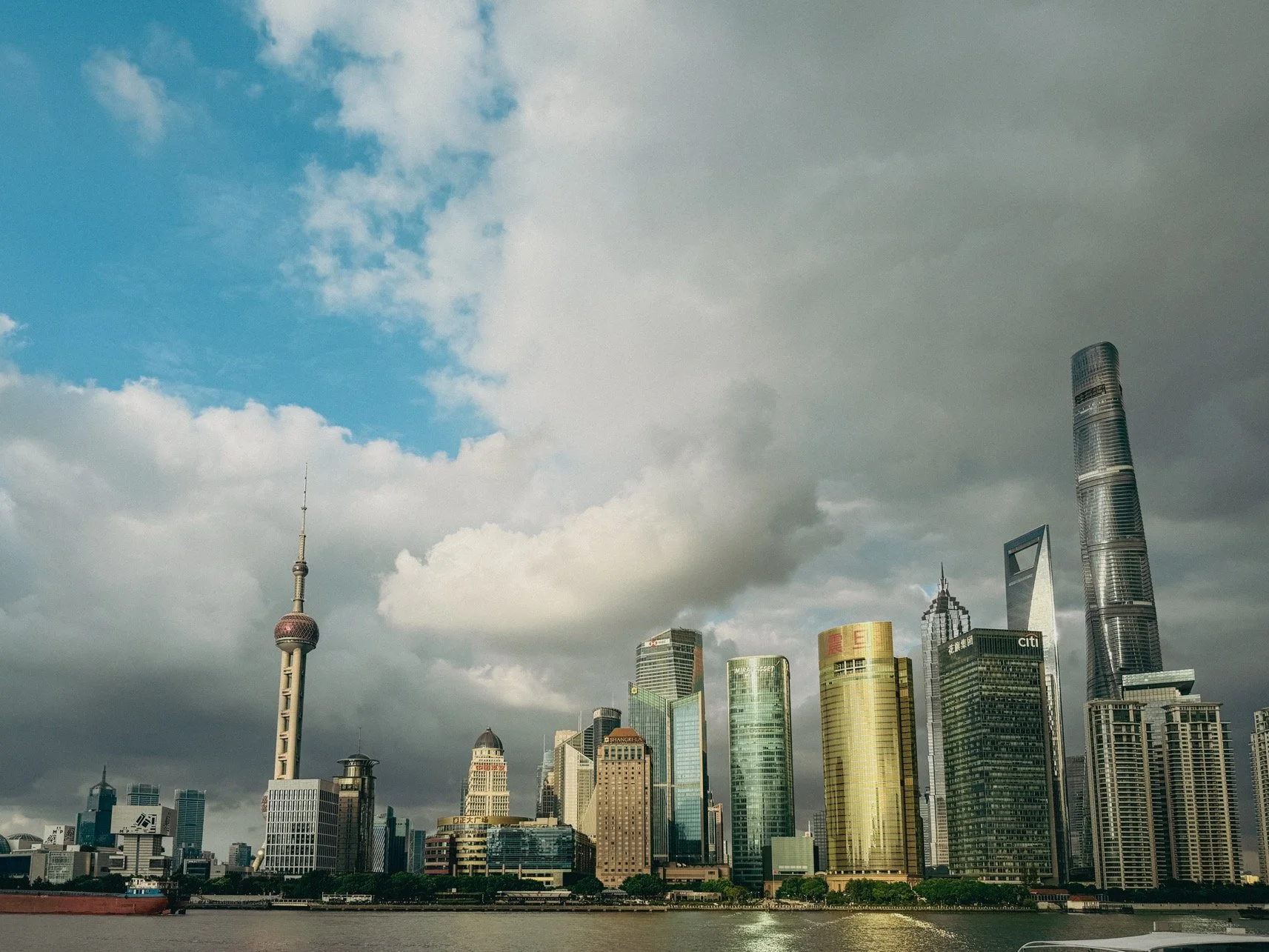
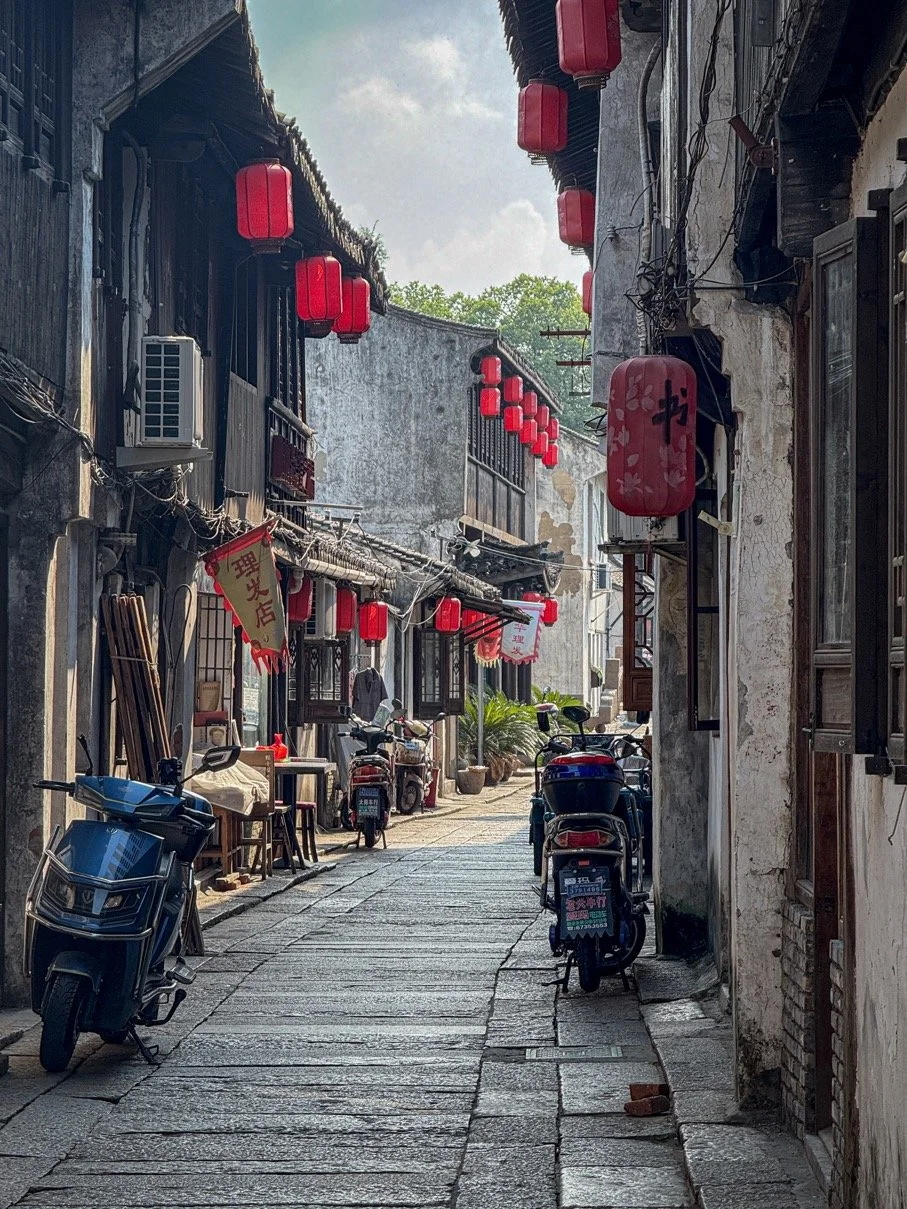
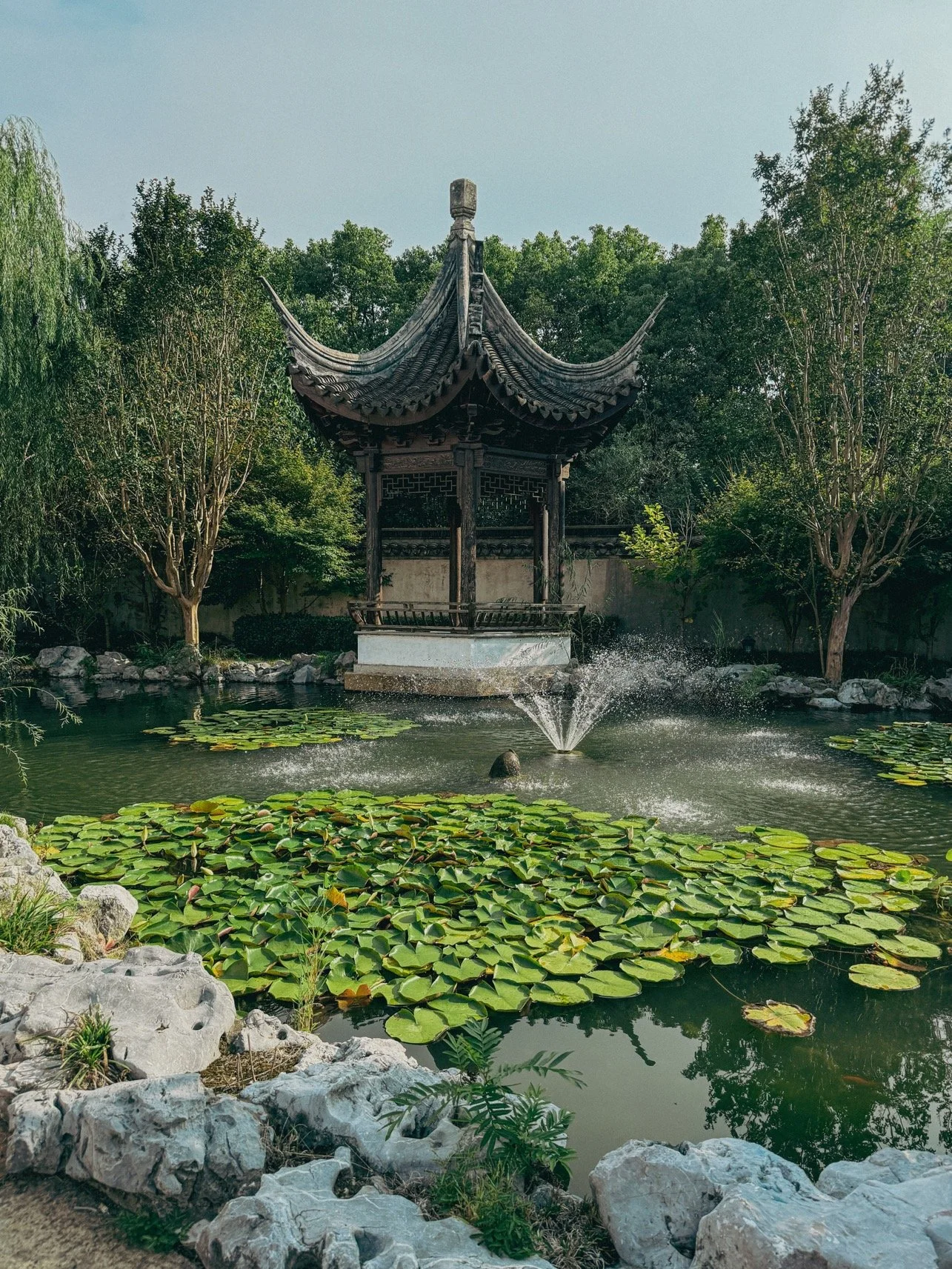

October
Peak season with major contrasts
Public holiday: National Day Golden Week
Oct 1 – Oct 7 (both 2026 and 2027)
Golden Week is one of the busiest travel periods in China:
High domestic tourism
Crowded attractions and transport
After Golden Week, October becomes one of the best times to visit:
Excellent weather
Strong city energy
More manageable crowds
Major event:
Shanghai Masters (ATP tennis, typically early October)
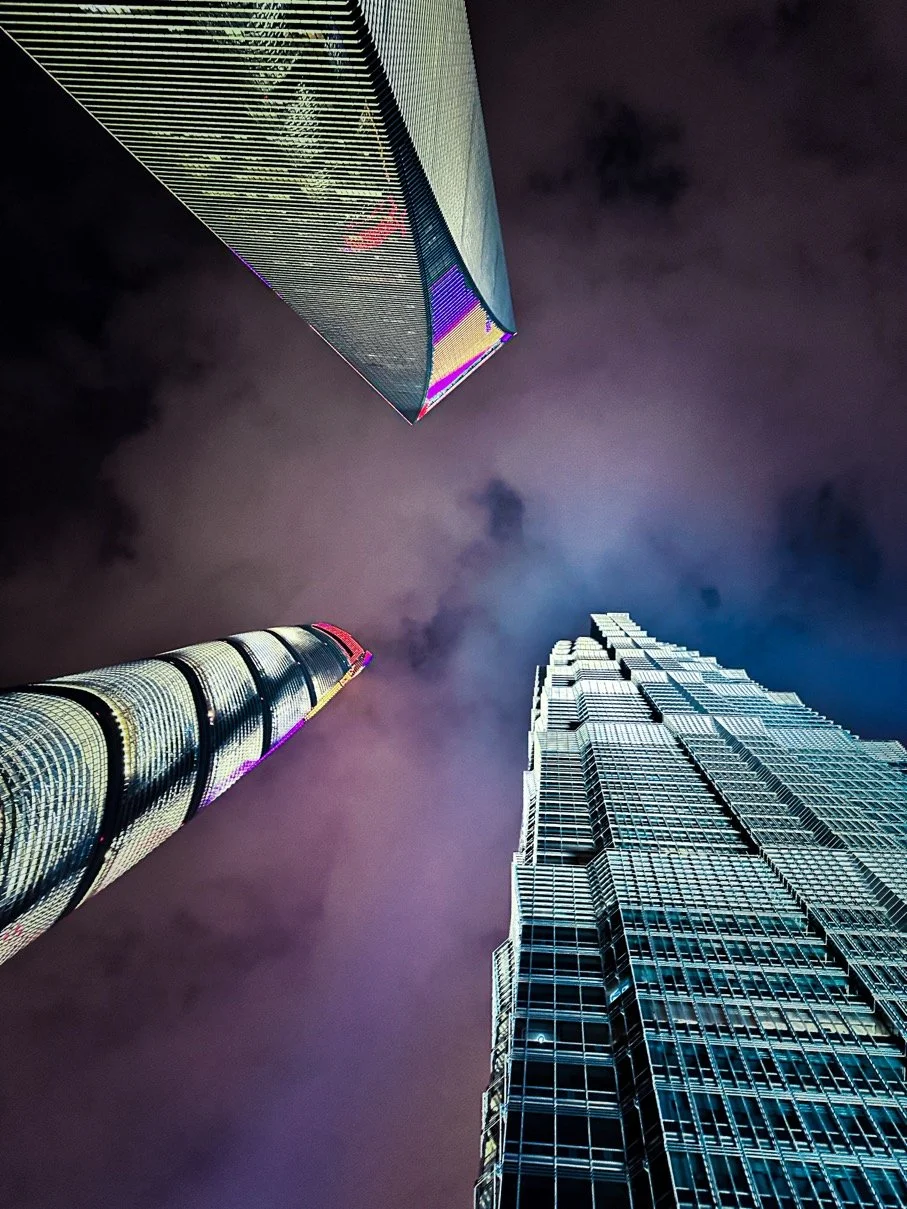
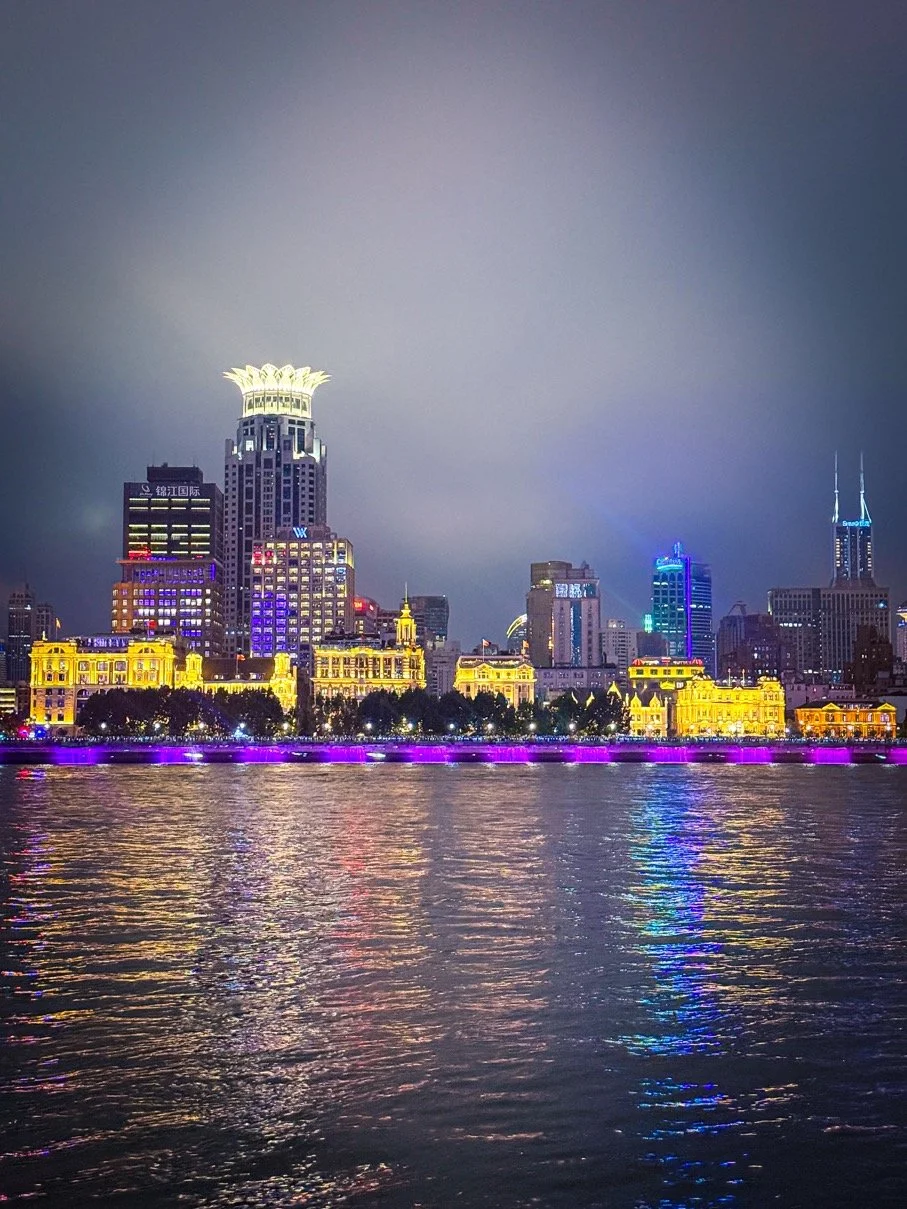
November
Underrated, with strong business activity
Weather: Cool, comfortable
Major event:
China International Import Expo (CIIE)
During CIIE:
Business travel increases significantly
Hotels in certain districts may be fully booked
Traffic conditions are often not ideal, especially around key venues and major routes
The city implements additional traffic control measures during this period, which can affect travel time between locations.
Outside of the CIIE window, November offers:
Fewer tourists compared to October
Fantastic weather in general
A calmer, more refined travel experience
December
Festive, urban, and international
Weather: Cold but manageable
Shanghai’s international character is most visible in December:
Christmas decorations and lights, Christmas Markets in every major commercial hub
Strong dining and nightlife scene
This is less about traditional Chinese holidays and more about the city’s global identity. Most Chinese do not have public holiday in this month.
Understanding China’s Holiday System (Important for Visitors)
Make-Up Working Days
To create longer holidays, the government often:
Shifts weekdays into rest days
Converts weekends into working days
This means:
Some Saturdays and Sundays function as normal working days
Traffic and business operations follow the adjusted schedule
For visitors, this can affect:
Crowd levels
Transport patterns
Availability of services
Major Travel Periods to Be Aware Of
Chinese New Year (Jan/Feb): Nationwide migration
Labour Day (May): Heavy domestic tourism
National Day Golden Week (Oct): One of the busiest weeks of the year
These are not just holidays — they are large-scale travel movements across the country.
So, When Is the Best Time to Visit Shanghai?
If simplified:
Best overall balance: April, May (outside Labour Day), September, late October & November
Most dynamic and energetic: March, June
Slow, Quieter and more local: January, July
More challenging due to weather: July, August
Why Work With Me
Planning a trip to Shanghai is not just about choosing the right month.
As you’ve seen, timing affects:
What’s open and what’s not
How crowded the city feels
How long it takes to get from one place to another
Whether a day feels smooth or unnecessarily complicated
Choice of transportation modes
This is where I come in.
I help visitors navigate the city beyond the obvious — not just by showing places, but by making sure everything works together seamlessly.
That includes:
Managing logistics so your time is used efficiently
Keeping track of what’s happening in the city in real time — openings, closures, events, and disruptions
Structuring days to avoid unnecessary crowds and bottlenecks
Introducing places you’re unlikely to find on your own — from hidden gems to restaurants that are genuinely worth your time
Shanghai is a city that can feel very easy or very overwhelming, depending on how it’s approached.
The difference is usually not where you go, but how you plan it and who you are with to experience what in the city
If you already have travel dates in mind, I’m happy to share thoughts on how to make the most of your time here.