
How Do You Know You’re Being Scammed in Shanghai?

A real Bumble date, a RMB 9,632 bill — and how my friend got RMB 9,500 back
A few years ago, I wrote a blog called “Avoid Dating Scams in Shanghai” after helping someone who got caught in one of the city’s infamous dating-app scams.
Unfortunately, I have an update.
And this time, it happened to someone who actually used to live in Shanghai.
My friend Mike is from Canada. We have known each other for almost a decade, and he lived in Shanghai for about four years before leaving China eight years ago.
Coincidentally, we met again in Hong Kong while I was on holiday. He told me his next stop would be Shanghai — his first time back since he left.
What I didn’t expect was that within his first night back in the city, he would become the victim of a dating scam.
It started with jet lag, a typhoon and being alone
Mike arrived in Shanghai just as Typhoon Dolphin was hitting the city.
He was jet-lagged, stuck indoors for much of the day and feeling lonely that evening.
He opened Bumble and started chatting with a woman. Very quickly, she suggested meeting.
Without telling me, which he didn’t have to, he just went.
The next morning, Mike told me what had happened.
He felt embarrassed, ashamed, like an idiot.
He kept telling me how stupid he felt.
My first thought was: Did you get those scams? And how much?
But the last thing someone needs at that moment is judgment.
I told him:
“I don't care how you ended up there. I'm not judging you. Tell me exactly what happened, where you went and how you paid. Let's see if there is anything we can do.”
That turned out to be very important.
Red flag #1: She wanted to meet immediately
The woman was very eager to meet him that same evening.
A spontaneous date by itself obviously isn't a scam.
But urgency becomes a warning sign when it comes together with several other things: you have barely spoken, they want to meet immediately, and they want complete control over where you go.
For someone who has just arrived in Shanghai, jet-lagged and alone, it is very easy to think:
Why not? I'm here to have fun.
That's exactly why you need to slow down.
Red flag #2: There was no actual address
She didn't send Mike the name of a bar or restaurant.
She told him to meet her at a crossroad.
This is a very important red flag. After testing with a few more Bumble accounts, all pointed to the same crossroad: Hefei and Huangpi South (合肥路黄陂南路路口)
Mike didn't think much of it because he used to live in Shanghai. He knew the area and remembered how to get there.
But think about it:
Why wouldn't someone simply send you the name or address of the place?
One possible reason is that they don't want you searching for the venue beforehand.
If someone insists on meeting you at a street corner and then walking you into an unknown bar, café, KTV or restaurant, stop and check where you are going before entering.
Red flag #3: Things were ordered very quickly
Once inside, drinks started being ordered.
This is another pattern I have heard repeatedly in these scams: the victim is not really making the decisions.
The other person chooses the venue.
The other person starts ordering.
Things happen quickly enough that you don't stop to check the menu, the price or even exactly what has been ordered.
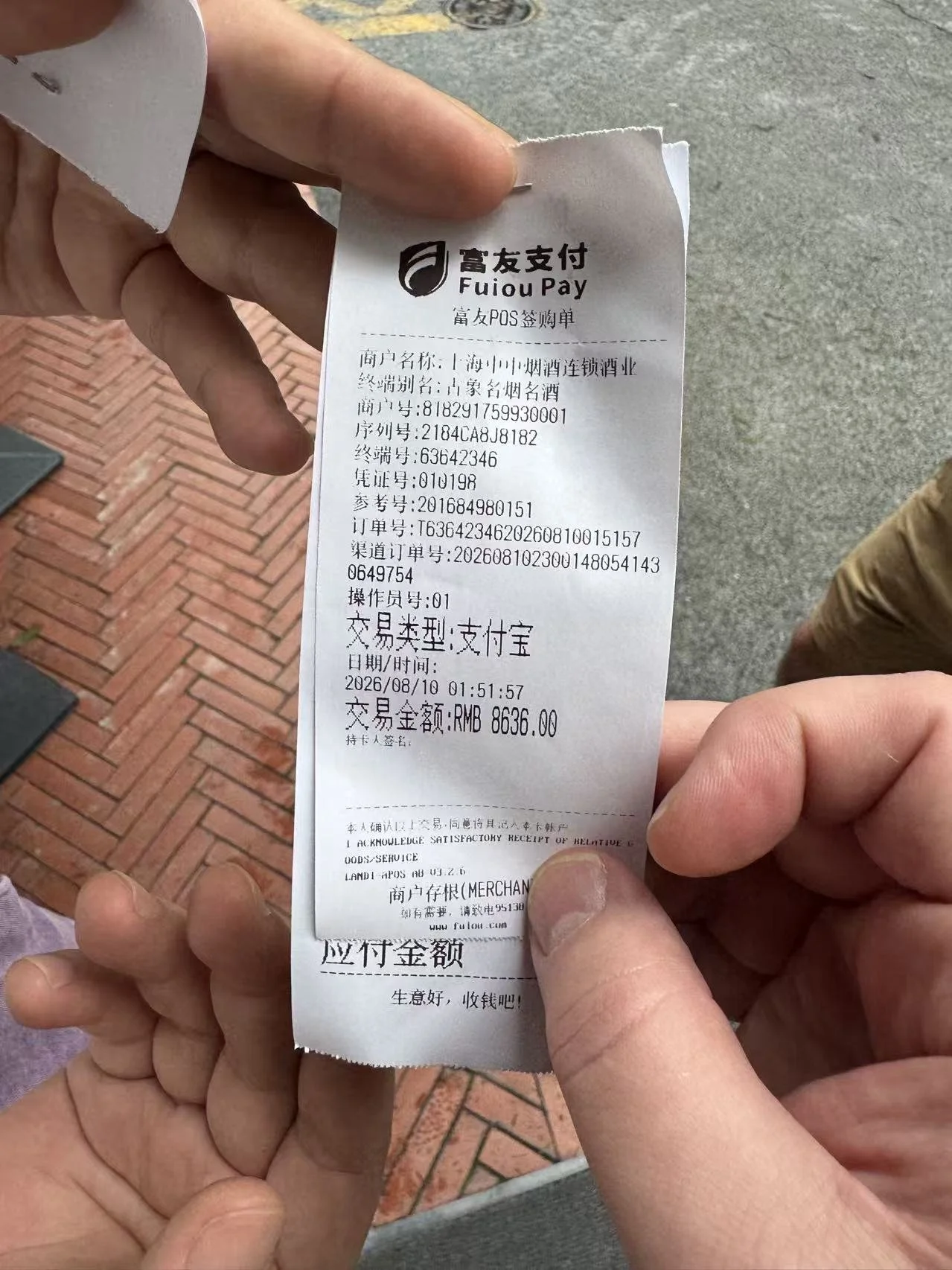
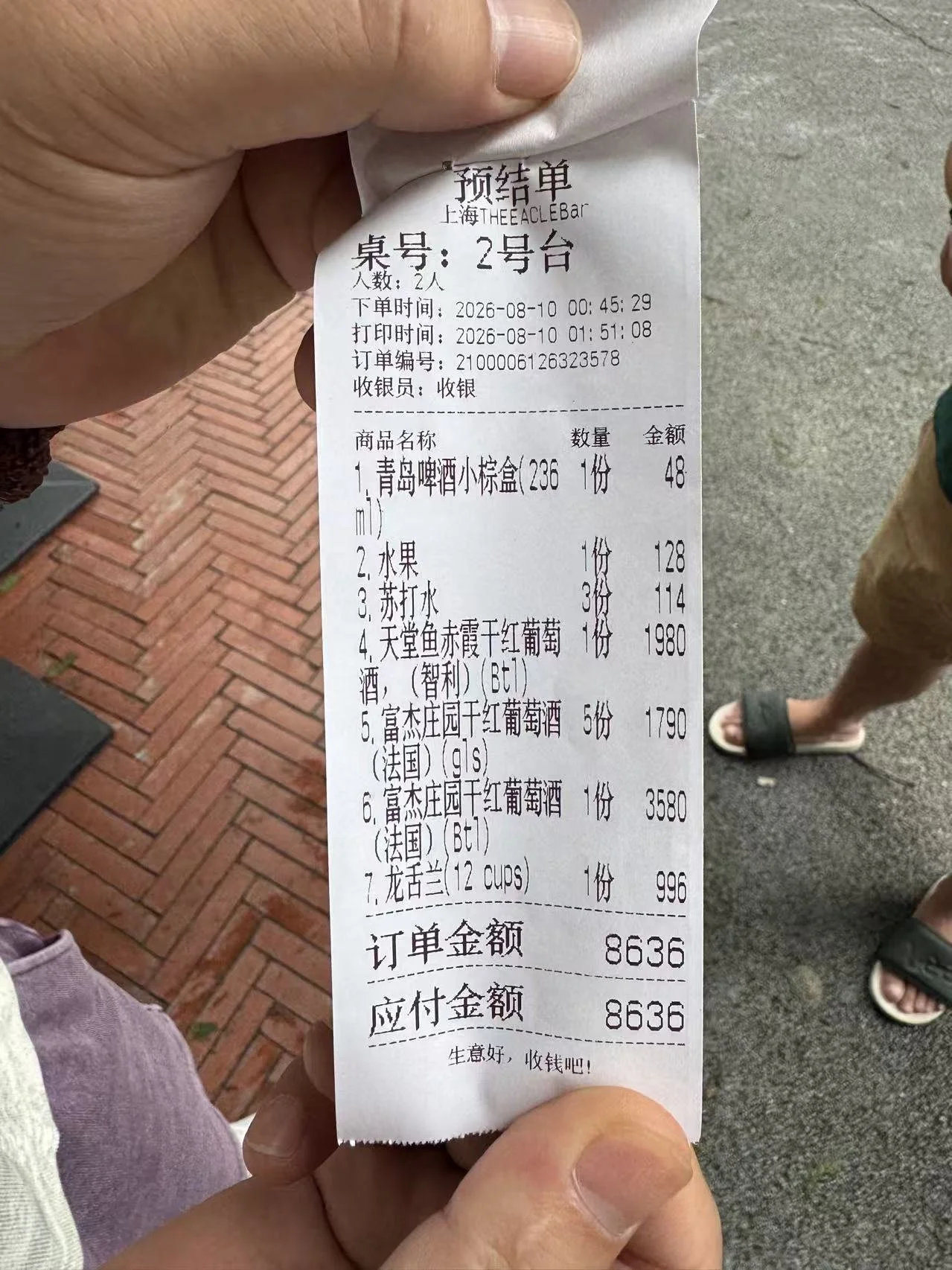
In Mike's case, that bill was:
RMB 9,632.
For perspective, that's roughly the kind of money I could spend on a round-trip flight to Toronto to visit him.
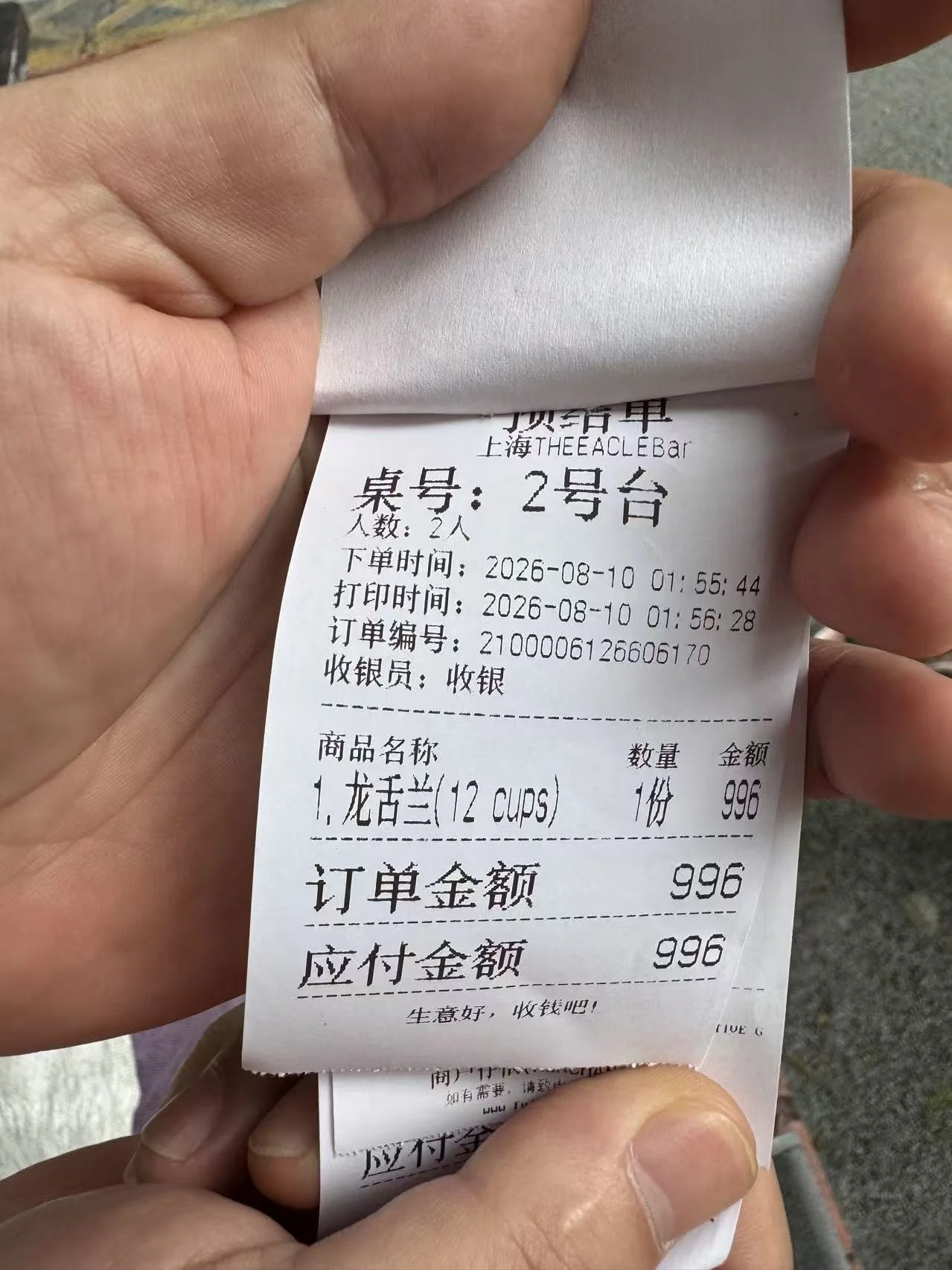
When he later showed me the receipts, some of the charges included:
12 tequila shots: RMB 996
3 bottles of wine: RMB 7,350
Mike told me he had not ordered those items himself.
Red flag #4: Your “date” suddenly disappears
After Mike paid, the woman had an excuse to leave. (a sudden dying father, with an explicit picture of an old Chinese man tubed up in a hospital bed)
Then she blocked him.
At that point, there wasn't much ambiguity left.
So what do you do if you think you've been scammed?
The next morning, Mike showed me his WeChat records and payment transaction.
I asked him to take me back to the area.
When we arrived, I could see the venue from a distance. There were several men around the entrance, and I didn't feel comfortable walking in with him.
So I stayed nearby in a safe location and gave Mike instructions through WeChat.
This is important:
Do not put yourself in physical danger trying to recover money.
If you feel threatened or prevented from leaving, prioritise your safety and contact the police.
1. Save everything
Do not delete your dating-app conversation.
Do not delete WeChat messages.
Screenshot the person's profile.
Save your WeChat Pay, Alipay, or credit card transaction.
Save the location. (you can do so by simply taking a photo on your phone to save the geodata)
Save the venue name if you can find it.
If you received a bill, photograph it.
Evidence becomes extremely important once someone starts denying what happened, and it will be helpful to report all of these to the police later.
2. Ask for an itemised receipt and fapiao
I told Mike to ask the venue for the receipt from the night before and request a fapiao (发票) — China's official invoice.
This forces the conversation away from:
"You drank something here and owe us money."
and towards:
What exactly was purchased? How much did each item cost? Which business received the money?
Look carefully at what is listed on the bill.
Were those actually the things you ordered?
Are the prices the same as the menu you saw?
3. Take photos — only if it is safe
Document the venue and anything relevant to the transaction if you can do so safely.
But I would never recommend risking a confrontation just to get a photograph.
Your safety is worth more than the evidence.
4. Call the police: 110
This is the part many foreign visitors hesitate over.
Police in China: 110.
Shanghai's official guidance specifically lists fraud among the situations for which people can contact the 110 police hotline. If you have difficulty communicating in Chinese, Shanghai's guidance says you can ask the operator for English service.
Do not let embarrassment stop you.
You are not calling the police because you went on a date.
You are calling because you believe you have been defrauded.
Mike asked for his RMB 9,632 back
Mike went inside and asked to resolve the payment.
I told him that if they refused, he should call 110 himself rather than continue arguing.
He also made it clear that he had documented the situation.
And suddenly, things changed.
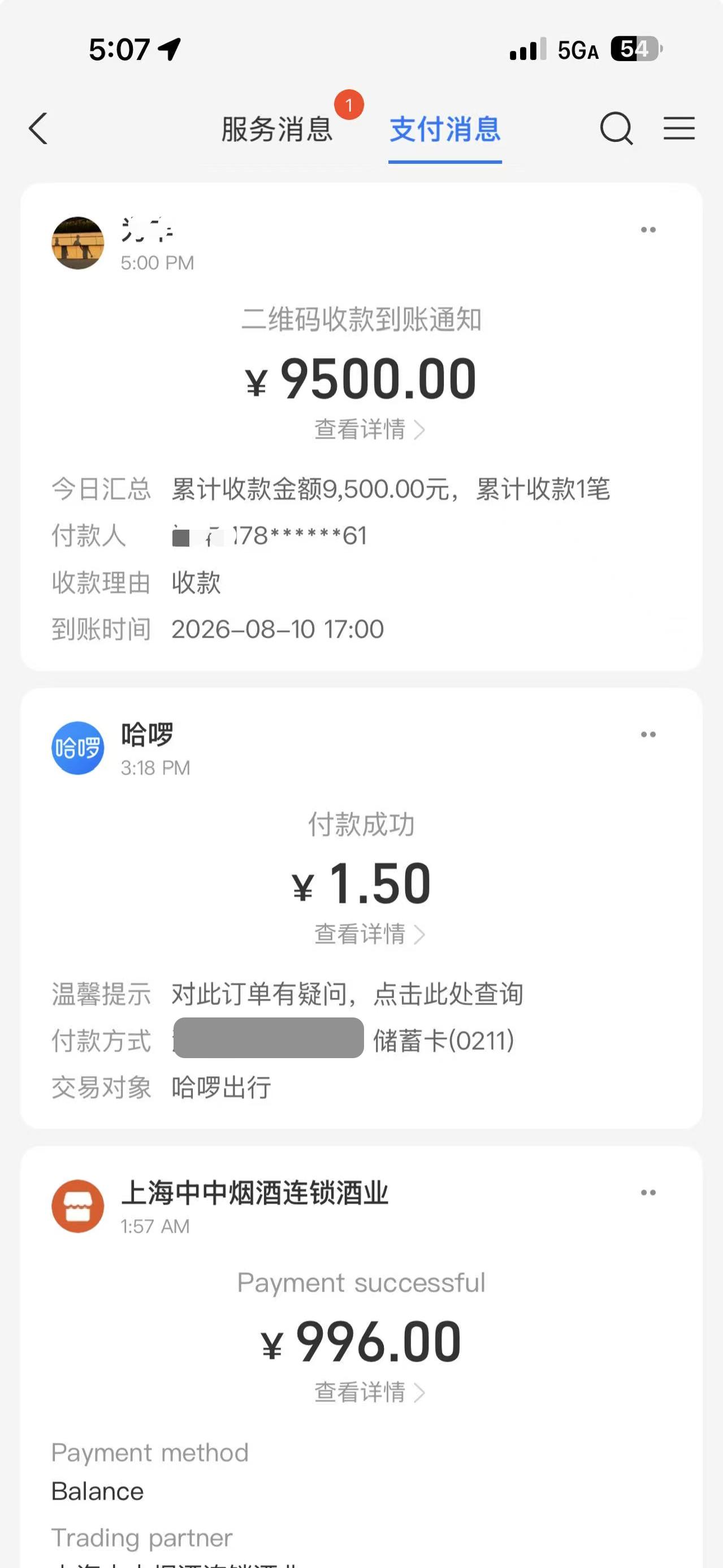
The manager agreed to refund him, notably via his personal Alipay account, not refunded from the company where his money went the night before:
RMB 9,500.
Out of the RMB 9,632 he had paid the night before.
Mike was asked to delete the pictures he had taken as part of the resolution.
(But he had already sent some of the pictures and receipts to me. Here they are:
Mike also told me there were three other foreign men inside the venue at the time. He believed the manager wanted to resolve his complaint quickly rather than have police arrive while they were there.
I cannot know what was happening with those other customers, so I'm not going to speculate.
But Mike got his money back.
If you already paid, don't assume the money is gone
This is probably the biggest lesson I learned from this case.
My previous article focused mostly on avoiding the scam.
This experience showed me something else:
Even if you already paid, don't automatically give up.
Keep the evidence.
Document the transaction.
Ask for the receipt.
Request a refund.
And involve the police if you believe you were defrauded.
However, I would not recommend returning to a suspicious venue alone, particularly if you previously felt intimidated there. Get help from someone you trust, stay somewhere safe, or speak with the police first.
Official travel advisories still warn visitors to China about scams in which strangers invite travellers to bars, cafés, teahouses or similar venues before they are presented with enormously inflated bills. Some cases can involve intimidation when victims refuse to pay.
So this is not something you should try to solve by being physically confrontational.
How do you know your Shanghai date might actually be a scam?
One red flag doesn't automatically mean someone is a scammer.
But if several of these happen together, stop and reassess the situation:
They want to meet almost immediately.
You have barely spoken but suddenly there is urgency to meet tonight.
They ask how long you've been in Shanghai or China.
Someone determining whether you are brand new to the country deserves extra caution.
They give you a crossroad or metro station instead of a venue.
You can't check reviews or prices because you don't know where you're going.
They refuse the venue you suggest.
Try suggesting a normal café, restaurant or bar yourself. If they insist that you must go somewhere they choose, ask why.
They start ordering immediately.
Especially bottles, shots, tea sets or other items without clearly discussing the price with you.
You aren't shown a menu clearly.
They order expensive items that you didn't request.
The bill suddenly seems wildly disproportionate to what you consumed.
Your date suddenly needs to leave.
They block you afterwards.
And the biggest rule of all:
Never be embarrassed to ask for help.
Shanghai is safe. That doesn't mean scams don't exist.
I still consider Shanghai an incredibly safe city to live in and visit.
But personal safety and financial scams are two different things.
The very fact that people feel physically safe here can sometimes make visitors drop their guard.
Dating scams also work because the victim often feels embarrassed afterwards.
I should have known. How could I be so stupid? I don't want my friends to know. I definitely don't want to explain this to the police.
That embarrassment is useful to a scammer.
Mike isn't stupid. He had lived in Shanghai and knew the city.
But he had just travelled halfway across the world, arrived during a typhoon, was tired, jet-lagged and alone — and somebody caught him at exactly the right moment.
That's why I'm sharing his story with his consent, under his name with few details being altered.
Not to tell people “Look how stupid this person was.” But to tell the next solo traveller:
If something feels wrong, stop.
Check the venue.
Check the menu.
Keep the receipts.
Keep your messages.
And if you believe you're being scammed or threatened in Shanghai:
Call 110.
Your embarrassment might last a day.
RMB 9,632 or more disappearing from your account will probably annoy you for much longer.
Welcome to Shanghai — enjoy the city, meet people, go on dates and have fun.
Just don't let someone else decide how expensive your night is going to be.